Doomsday for the developing world
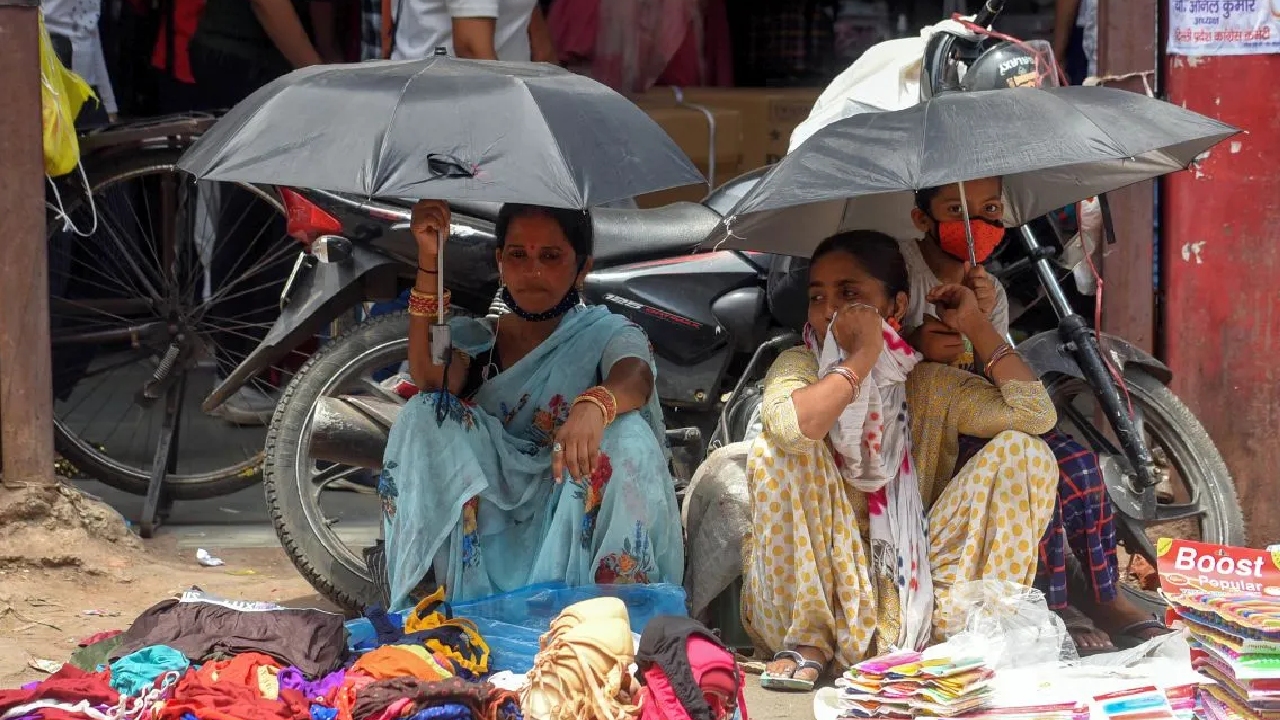
Peak summer is still months away, but the temperatures in northern India are soaring, and it is getting worse with every passing year. The world is heating up fast, and the temperatures are projected to rise by approximately 1.5 to 2.0 degrees Celsius above pre-industrial levels by 2050. The report by the Climate Impact Lab has projected that by 2050, ten times more deaths will occur in the Global South due to the rise in temperature than in the West. The developing countries are going to be the worst affected. The heat will result in harsh work conditions, leading to deaths, as the Global South is least ready for it. This natural calamity is unfolding before our eyes, albeit, at a slow pace. The reason for this is twofold. First, most developing countries that constitute the Global South, fall in tropical regions of Africa and Asia, where temperatures have already risen to alarming levels. Secondly, due to low GDP, these countries would not be able to provide better conditions for work like air conditioning, proper hydration and trauma care to their people that can make all the difference in saving lives. In places like India, where summer heat is already intense, additional warming transforms seasonal discomfort into a public health emergency.
Rising temperatures will be traumatic for the people working in fields like farming, construction workers, pavement sellers and the like. What turns heat into a killer is the lack of adaptive capacity. The people in developing countries cannot afford climate control devices due to limited purchasing power. Besides, work conditions are harsh - people working in a heat-intensive environment like brick kilns, bakeries, metal furnaces could be the worst hit. This growing "cooling divide" is emerging as one of the most critical fault lines in the climate crisis. With weak labour protections and informal employment, basic heat safety is not even heard of in these countries, leaving the most vulnerable exposed to heat related issues. Healthcare systems in many of these regions are also ill-equipped to handle the growing burden of heat-related illnesses. Limited access to medical facilities and the absence of a heat-specific response can become fatal. Add to this lack of awareness about the treatment further compounds the problem. The way our cities are developing into concrete jungles and trees becoming extinct in urban landscapes, heat trapped in small ill-ventilated houses that becomes unbearable during the peak heat hours, resulting in dehydration, sun stroke and many other heat-overexposure health disorders. As American Professor Michael Greenstone has pointed out, this represents one of climate change's cruelest ironies: those who have contributed the least to global emissions are the ones who will suffer the most severe consequences. The disparity is also deeply moral, raising urgent questions about global responsibility and justice. Addressing this challenge requires a shift in priorities. Investments in climate adaptation, such as heat-resilient infrastructure and early warning systems, which can significantly reduce mortality. At the global level, the climate finance must become a priority to deal with this impending calamity.