Divided Fed or fed up with Prez?
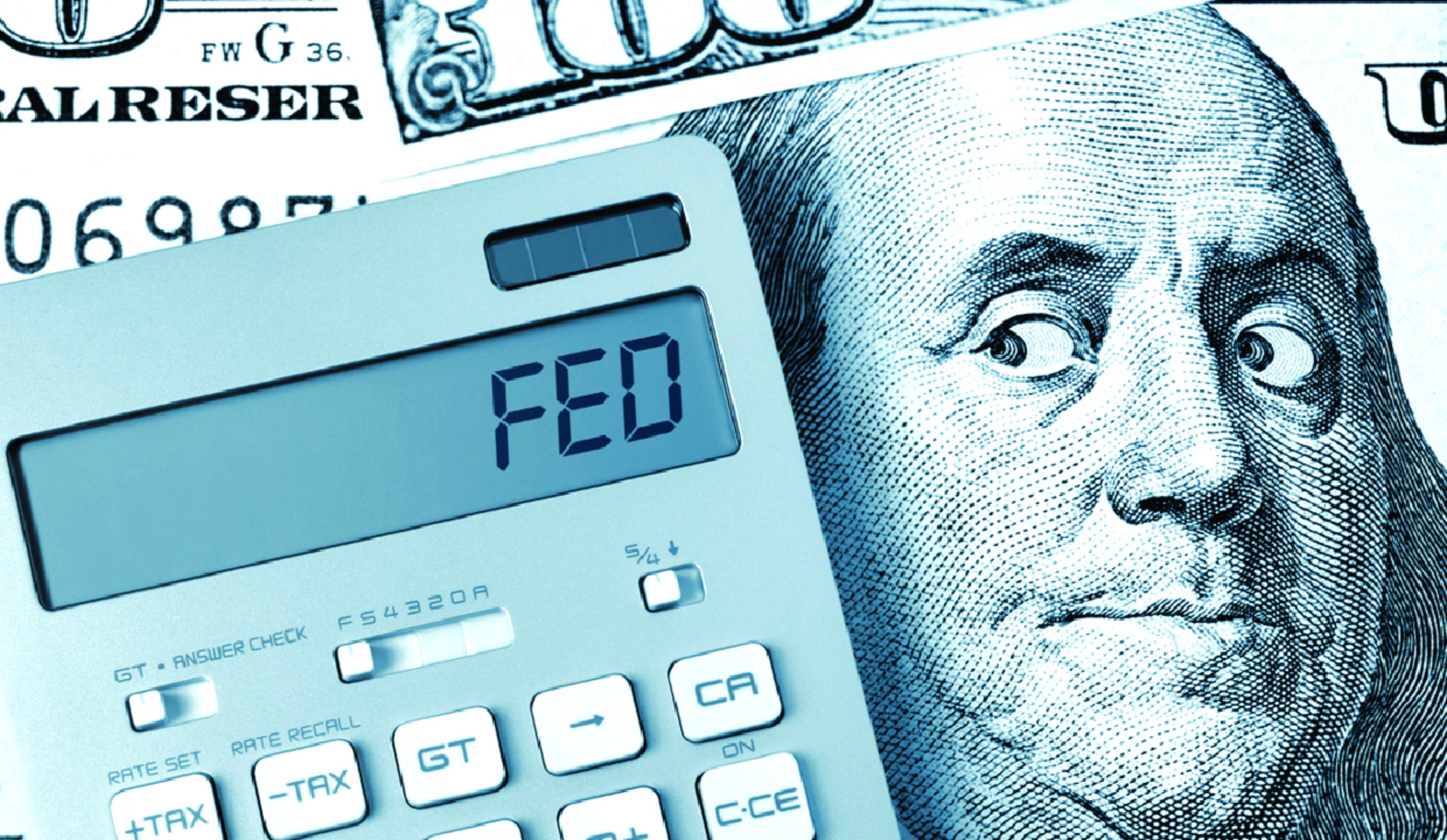
It was almost 35 years ago, actually in 1992, when four members of the US Federal Reserve dissented against a majority policy decision. In effect, a third of the participants disagreed, three against a future indication, and one who wanted a reduction in interest rate. Although analysts are unwilling to give it a political
twist, a part of the division, 8:4 of the 12 members, hints at a huge message to President Donald Trump. This month, Chair Jerome Powell may lose his seat, although he plans to continue as a member. Trump’s loyalist, Kevin Warsh, will take over, and most likely toe the president’s line to reduce the rate.
For almost 16 months, Trump has pommelled Powell to reduce rates faster, and the former is fed up with the decisions to maintain them in the recent past. Warsh, whose nomination is under review by the Senate but is likely to go through despite opposition related to the ongoing investigations against Powell, will surely push for rate cuts in the future. The three dissents, out of the four, hint that the existing members are unlikely to capitulate into
submission, and may oppose the moves if the economic trends demand it. Thus, there are hints of politics at the Fed, which shows that their members too are fed up.
According to an analyst, “This (dissent) not only highlights the potential for more of the same in the coming months as a new Chair focused on changing the Fed takes over, but also the reality that the nearer term economic outlook remains highly uncertain given conflicting labour market, and economic growth signals against a backdrop of inflation that has been stuck at three per cent plus since the end of 2023.” In essence, he implies that many members may agree with Powell that a rate cut is not the right policy in the future.
One needs to understand the status of the dissenters, and the reasons for their disagreement to understand how the politics, and inter-personal differences will play out in the future. One of the ‘no’ votes came from a Trump appointee and loyalist, Stephen Miran, who advocated a rate cut of a quarter percentage, rather than keep them unchanged.
This was expected, and he has consistently done this in the past. The other three are the regional Federal Reserve Bank presidents, four of whom are appointed by rotation among 11 such presidents. Hence, these names change regularly.
Thus, one can assume that these regional presidents may continue to favour Powell, and take the number of dissenters against a new Trump-appointed Chair to four, resulting in similar 8:4 splits in the future. That is, until the regional members are replaced by new ones, whose attitudes we are not aware of. In effect, it will not make a difference as the majority decisions will prevail.
Things will get ugly and more divided if there is a change of mind among the seven governors, which includes the chair, and which, in the future, will include Powell.
Now, things get interesting if one takes into account the reason for the dissent this time. The three regional presidents said that while they agreed with the hold on interest rate, they “did not support the inclusion of an easing bias in the (official) statement this time.”
For the trio, the offending line reads, “In considering the extent and timing of additional adjustments to the target range for the federal funds rate, the Committee (of 12) will carefully assess incoming data, the evolving outlook, and the balance of risks.” Everything was fine with it except for the inclusion of a troublesome word, “additional.”
As the trio explains, the word seems to imply that the intent of the Fed is to cut the rate. Indeed, in technical jargon, it is, and has been, on, what is called, an ‘easing bias,’ which implies looking for signs to ease or lower the rate, since the latter part of 2025. Instead, the three regional members are worried about the dangers of a persistent inflation, which has not come down, and which, in effect, asks for a higher, not lower, rate. Thus, they do not want the Fed to give any indications that it wants to reduce the rate, especially now.
Such notions fly in the face of what Trump wants, and has wished for since he took over for the second time. The noises made by the three dissenters may look like a disagreement with the majority, which includes Trump’s baiter, Powell, but it is in effect a signal to the president that they are not happy with even an intent to reduce the interest rate. At this stage, there is no point in even talking about a cut. So, when the new chair decides to cut rates the next time, some of the members may oppose him, and their number may well be more than four.
Over the past year or so, inflation stayed above the Fed’s benchmark of two per cent, thanks to Trump’s tariffs, which were deemed illegal by the Supreme Court, and soaring energy prices. Most Fed officials feel that these are not temporary due to the duration of the price surges, and are concerned about the long-term impact on the consumers. If inflation stays high, now fueled by the Iran war, a rate cut may be worse, especially if it does not propel growth in the future. Most central bankers are fixated by inflation rather than growth.
However, there is positive news from the “low-hire, low-fire” jobs market. According to a media report, “Nonfarm payrolls in March (2026) grew by a better-than-expected 178,000, while the unemployment rate slipped to 4.3 per cent.
For April, payroll processing firm ADP has reported average weekly private payroll growth of around 40,000, further indicating that the jobs picture is healthy if less than robust.” If the jobs market seems intact, if not improving dramatically, there may be a case to cut interest rates to boost growth, investments and, therefore, employment.
In effect, the tussle within the Fed Board, and among the policy-makers, and experts, including Trump and his loyalists, is about focus and perceptions. Trump wants to show growth and investments, and most possibly before the midterm elections due this November. Powell is cautious and conservative, and wants to wait-and-watch rather than anticipate things. At present, the Fed Board is with Powell, and he has carried them over three full and part presidencies. However, one cannot be sure of the changing loyalties once Powell is out, and still in.