Discoms advise consumers for proper maintenance of wirings, ACs to prevent fires
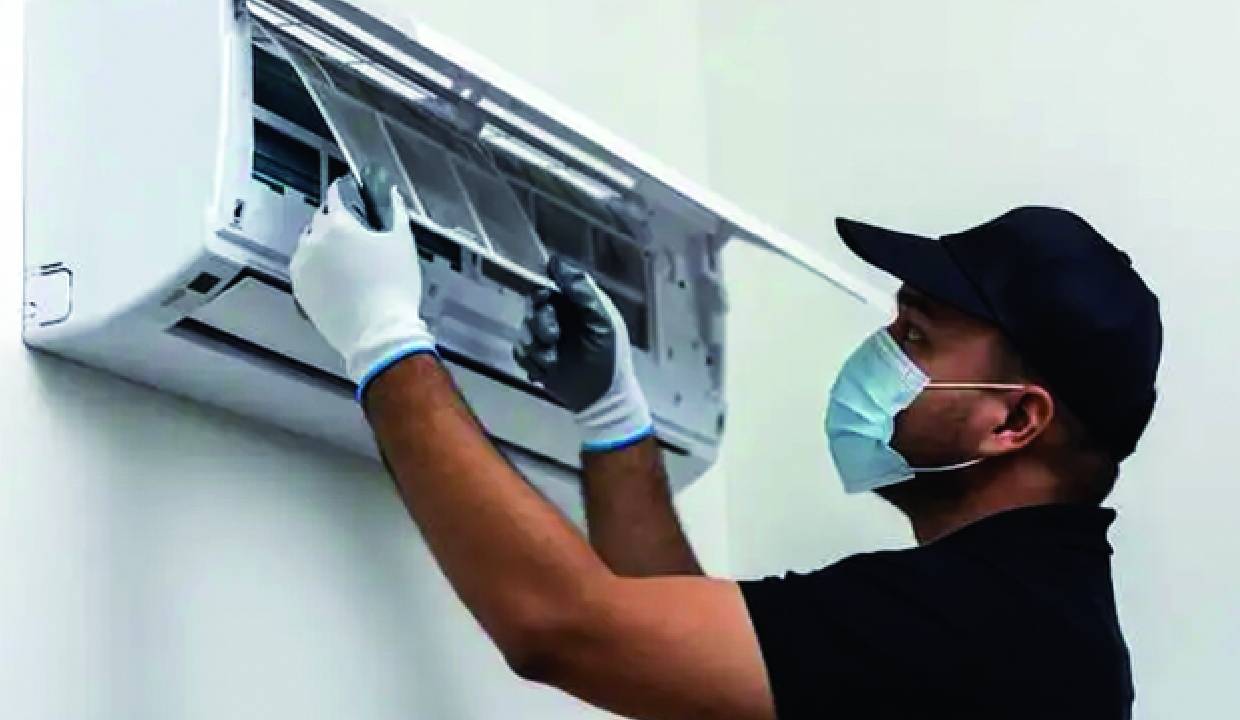
In the wake of recent fire tragedies leading to loss of lives, the power discoms have issued an advisory for people to prevent electrical accidents by avoiding overloaded circuits, faulty wiring and ensuring regular checks of air conditioners.
Air conditioners, often used continuously, are especially prone to overheating if not properly maintained or connected to adequately rated circuits, says the advisory. The overloaded circuits, faulty wiring and lack of regular servicing of air conditioners can turn homes into fire zones. However, simple precautions taken in time can prevent devastating electrical fires, discom officials said.
In most cases, electrical fires originate within homes due to internal faults like loose connections, damaged cables or the absence of safety devices such as Residual Current Circuit Breakers (RCCBs) and Earth Leakage Circuit Breakers (ELCBs).
Understanding these risks and taking simple, preventive steps, from upgrading wiring and installing certified protection systems to servicing ACs and avoiding overloading circuits, can go a long way in safeguarding lives and property, officials said.
Increased heat and an increased power demand strain electrical system, raising the risk of overheating and electrical fires at a consumer’s premises. The excessive use of power, often exceeding the sanctioned load at residents’ premises, especially for appliances like air conditioners, can overload circuits or cause electrical short circuits, they said.
Further, internal wiring in some consumer premises may not be designed to handle the load-carrying capacity required in summer. Improper maintenance of air conditioners, power theft and other electrical equipment also contribute to the increased risk of fire incidents.
Fire incidents at a consumer’s premises are almost always due to internal factors. These include faulty wiring, loose connections, overloaded circuits, damaged electrical cords/plugs, sockets or outlets. Old or poorly maintained electrical equipment and air conditioners are also causing fire incidents.
Use of ELCBs or Residual Current Breakers (RCBs) to trip circuits in case of overloading and short circuits can significantly reduce the risk of fire incidents, said the advisory.
Regular inspection of home wiring, installation of ELCBs and RCCBs, use of ISI-marked wiring and appliances, and avoiding overloading sockets with multiple devices can prevent mishaps, according to the advisory. Some simple things like switching off appliances when not in use, unplugging power cords safely and servicing of air conditioners periodically also reduce the risk of overheating and sparking.
According to power distribution officials and safety experts, electrical fires during summer are primarily caused by excessive load on domestic circuits as air conditioners, coolers, geysers and other heavy appliances operate continuously for long durations.
Old and poorly maintained air conditioners have become a major source of concern. Experts warned that ageing AC units consume more electricity and place additional stress on circuits, increasing the possibility of short circuits and compressor failures.
In some cases, overheating compressors and airflow obstruction due to clogged filters or condenser coils can even lead to fires or explosions.
To minimise risks, consumers have been advised not to run air conditioners continuously for extended periods and to keep outdoor units free from dust and debris for proper airflow.
Using voltage stabilisers, setting thermostats at 24 degrees Celsius and operating ACs in “Auto” mode instead of continuous “on” mode can also help reduce stress on electrical systems, added the advisory.
Nine people were killed in a recent incident of fire at a residential building in East Delhi’s Vivek Vihar area. The fire was reportedly caused by a blast in an air conditioner in the building.
A fire reportedly caused by an electrical short circuit in a residential building in South West Delhi’s Palam area claimed nine lives in March.