Delhi turns to AI to fight pollution
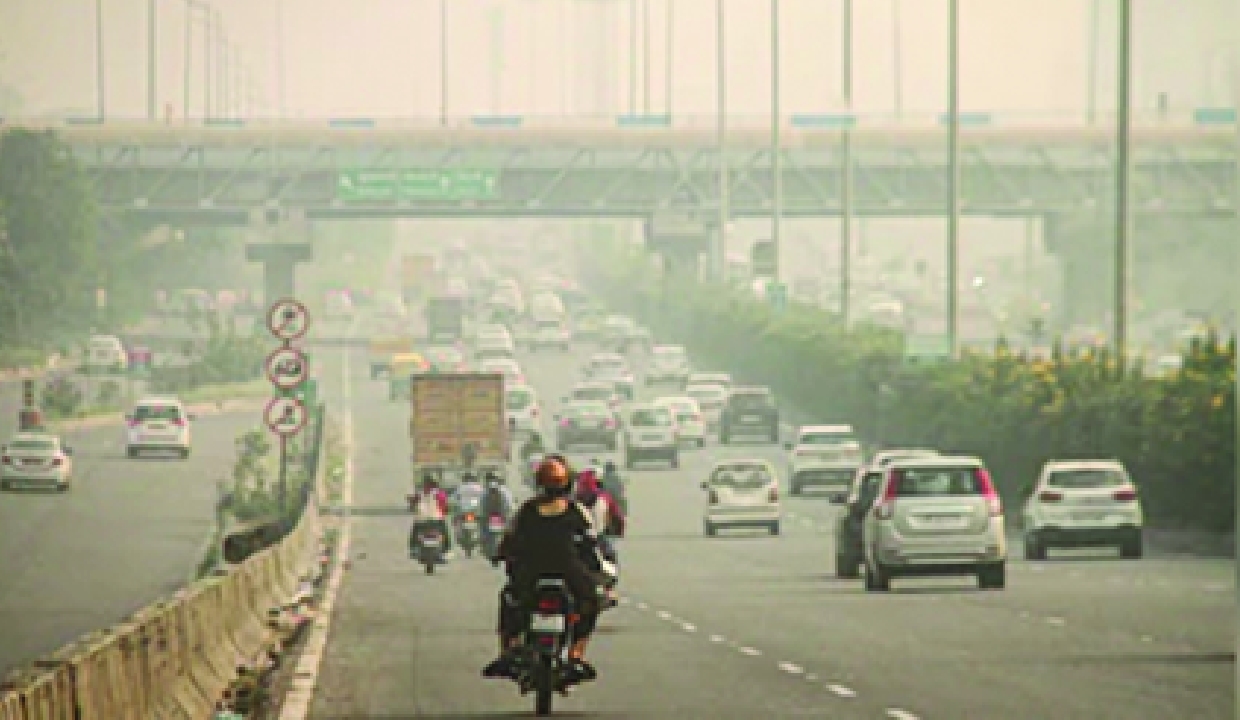
The Delhi Government is set to sign a memorandum of understanding with the AIRAWAT Research Foundation of IIT Kanpur to develop artificial intelligence-based systems for tracking, analysing and reducing air pollution in the national Capital.
The proposed partnership, announced by Environment Minister Manjinder Singh Sirsa on Wednesday, is aimed at building a technology-backed framework that can help the government monitor pollution at a much sharper local level and respond with data-driven interventions.
Under the agreement, the Department of Environment and the AIRAWAT Research Foundation will work together on AI-powered, sensor-based and analytics-led tools for air quality management.
These systems are expected to focus on hyperlocal pollution monitoring, predictive forecasting, identification of pollution sources, decision-support platforms, policy assistance and training of Government personnel.
Sirsa said Delhi can no longer depend only on conventional seasonal measures to tackle its long-standing pollution crisis and needs scientific tools that produce actionable information in real time. He said the Government’s priority is to move towards evidence-based intervention that can deliver measurable improvements in air quality and public health.
According to the minister, the upcoming MoU is designed as a knowledge collaboration at the initial stage and does not involve any immediate financial burden on the Delhi government. He said the first objective is to study the potential and field applicability of the AI technology stack developed by the AIRAWAT Research Foundation.
The foundation, linked to IIT Kanpur, will examine how its existing systems can be adapted for Delhi’s dense urban conditions and varied pollution sources. Officials said the partnership is expected to help the government understand pollution patterns not just citywide but neighbourhood by neighbourhood.
This is significant because air quality in Delhi often fluctuates sharply across zones depending on traffic, construction, industrial activity, road dust and local burning.