Delhi Metro begins blueprint for 7 new Phase V(B) corridors
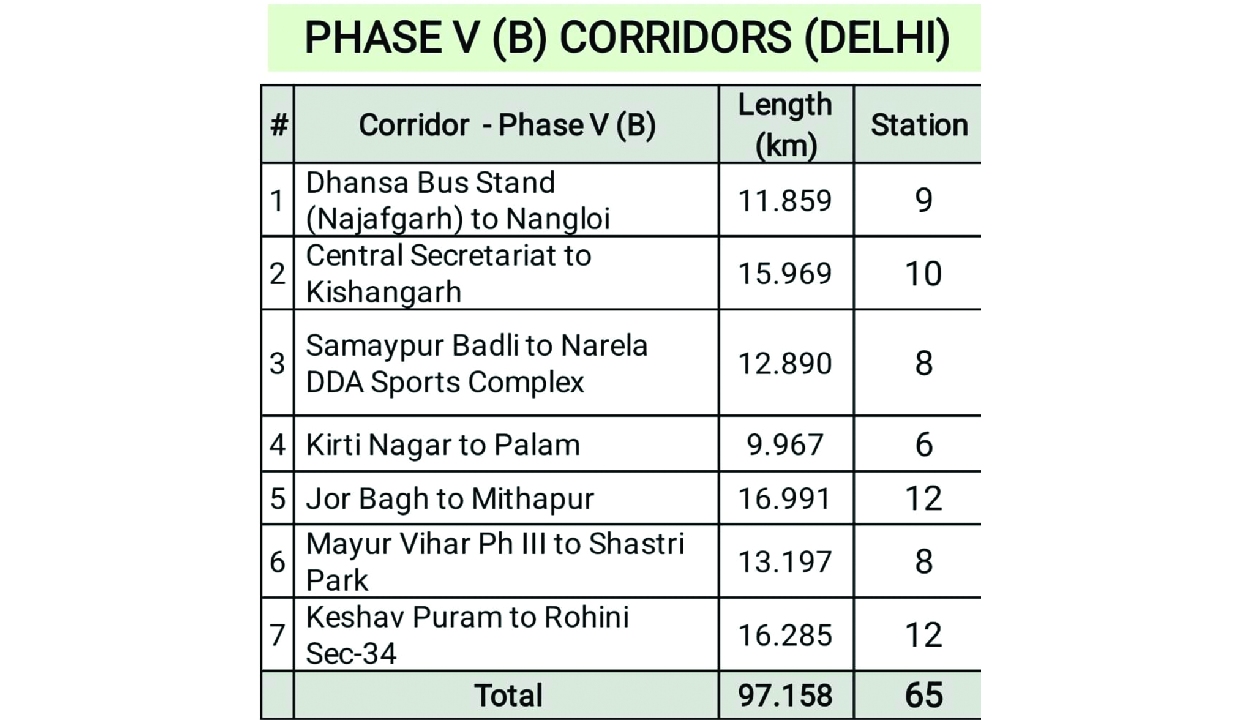
Delhi Metro has opened the door to another major expansion, with preparations beginning for seven fresh corridors under Phase V (B) as the Capital’s rapid transit system looks to stretch deeper into a city struggling with road congestion and rising commuter load.
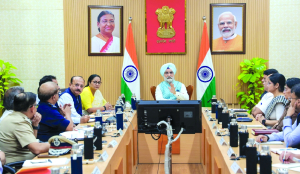
The announcement came on Sunday during the 32nd Foundation Day of the Delhi Metro Rail Corporation, but the larger message was clear: even after three decades of construction, Delhi’s busiest public transport network is still far from finished. Chief Minister Rekha Gupta said Delhi Metro is moving ahead with Phase IV and Phase V(A) works and has now started planning seven additional corridors under Phase V(B) to further improve city connectivity.
The proposed routes are expected to widen Metro access across more residential and commercial belts, though detailed alignments are yet to be formally released. The fresh expansion plan comes as Delhi increasingly leans on Metro rail to absorb daily passenger movement that roads are no longer able to carry efficiently.
From a modest beginning in 2002, the Delhi Metro today stands as the central spine of urban mobility in the National Capital Region. Officials said the network’s continued growth reflects not just commuter demand but the city’s structural dependence on rail-based transport.
Sunday’s event at Bharat Mandapam brought together senior Delhi and Union government officials, including Union Minister of State for Housing and Urban Affairs Tokhan Sahu, who described the Metro as one of the most trusted public systems in the region.
Senior representatives from the Japan International Cooperation Agency and the Embassy of Japan were also present, underlining Japan’s long role in funding and supporting Delhi Metro’s engineering journey. Delhi Metro Rail Corporation, set up in 1995, has, over the years, emerged as the model on which several Indian Metro projects were later designed.