Dealing with Delhi air pollution: Three quick, inexpensive fixes
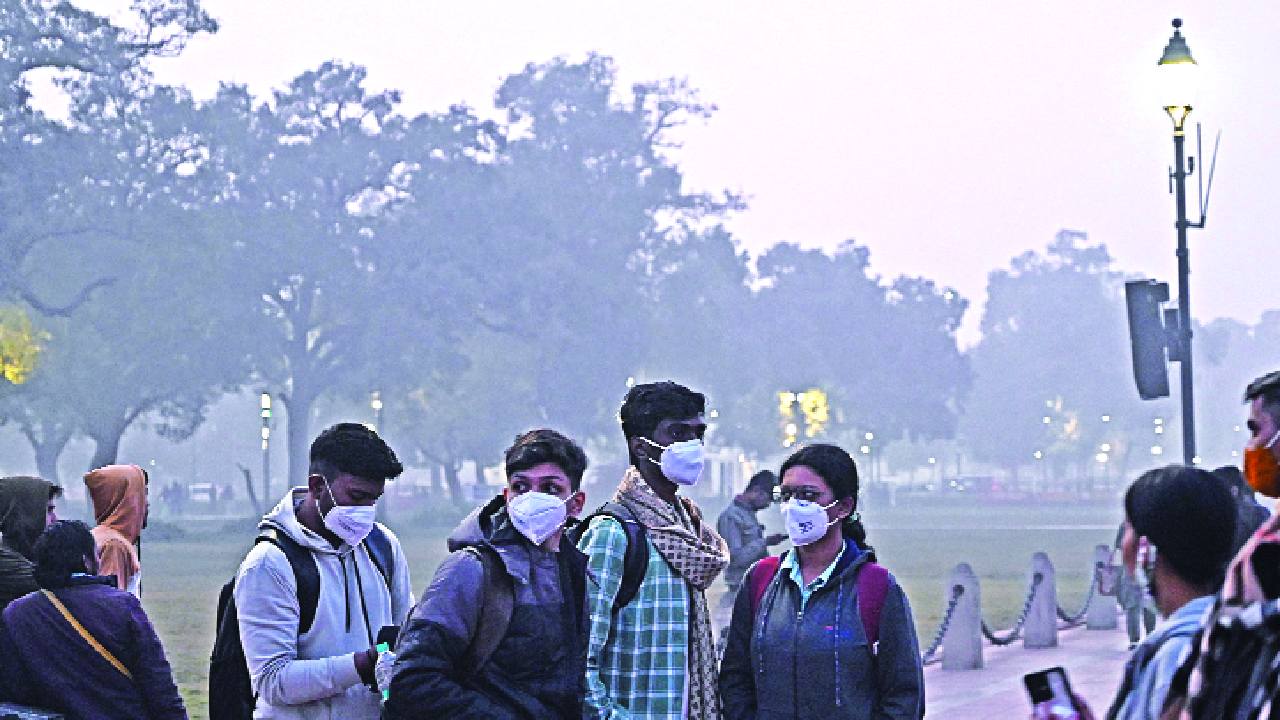
Delhi’s winter smog is no longer a seasonal nuisance — it is a public health emergency. While long-term decongestion through new greenfield cities is essential, we need immediate, enforceable measures targeting the three biggest causes of pollution: vehicular emissions (35-40 per cent), construction dust (25-30 per cent) and industrial activity (15-20 per cent). These three practical proposals can be piloted quickly, scaled city-wide and — with sustained enforcement — deliver a substantial 20-40 per cent reduction in average PM2.5 levels over a three to five-year time frame.
The first targets vehicular pollution. In each Assembly constituency, demarcate 10 per cent of the area as a single contiguous ‘Clean Lung Zone’, allowing only EVs, cycles and pedestrians. Designated peripheral parking for ICE vehicles would be provided. Pilots could begin in 10 willing constituencies, such as Narela and Burari, where large vacant spaces are available for parking and EVs can operate freely within the designated zones. Enforcement can be ensured through guards, police, cameras and active involvement of resident committees.
There will inevitably be pushback from car owners and traders who fear inconvenience or business loss. This can be mitigated through a phased rollout over 12 months, rapid installation of sufficient and well-located free EV charging stations, subsidised e-rickshaws, and multi-level parking developed through public-private partnerships. Residents are likely to embrace quieter, cleaner streets over time. The second major source is construction dust from buildings, flyovers, metro tracks and stations, industrial complexes, commercial buildings and residential projects. The government should make canvas wraps and continuous water spraying mandatory for all sites up to 25 metres in height. Peripheral drains and sumps should be constructed to recycle water and prevent mosquito breeding. While this will add costs for builders, the approach is globally proven and far preferable to unplanned construction bans during GRAP stages 3 and 4. Developers and small contractors may complain about higher costs and delays, but mitigation is straightforward: limit the mandate to plots above 500 sq m, provide a 50 per cent subsidy on equipment through a pollution cess on large projects, and offer faster approvals for compliant sites.
Finally, industrial pollution must be addressed by empowering industrial associations for daily dust control. Responsibility for water spraying and mechanical sweeping of roads — five kilometres by ten metres in width — around each of Delhi’s 55-60 industrial clusters should be handed to the respective associations, with quarterly cash handouts of four times the actual cost, tied to verifiable outcomes. Associations know their areas best; decentralised execution is far more effective than inefficient government contracting and avoids frequent closures and sealing of industrial units. Associations may fear audits or additional burdens, but these concerns can be addressed through equipment subsidies, random third-party checks and six-monthly public ‘Clean Cluster’ awards for compliance.
These measures are inexpensive and can be enforced year-round, not just during GRAP panic. Pilots in 10 constituencies and 10 clusters can begin within months, generating data before a full rollout. Critics will inevitably cry ‘inconvenience’ or ‘anti-growth’. The answer is simple: the inconvenience of breathing poison is far greater. These steps buy us precious time while we build the ultimate solution — new planned cities that decongest Delhi permanently. Delhi deserves clean air today — and breathable new cities tomorrow.
The writer is an environmentalist and writes about environmental issues; views are personal