CM greenlights 7 new metro corridors
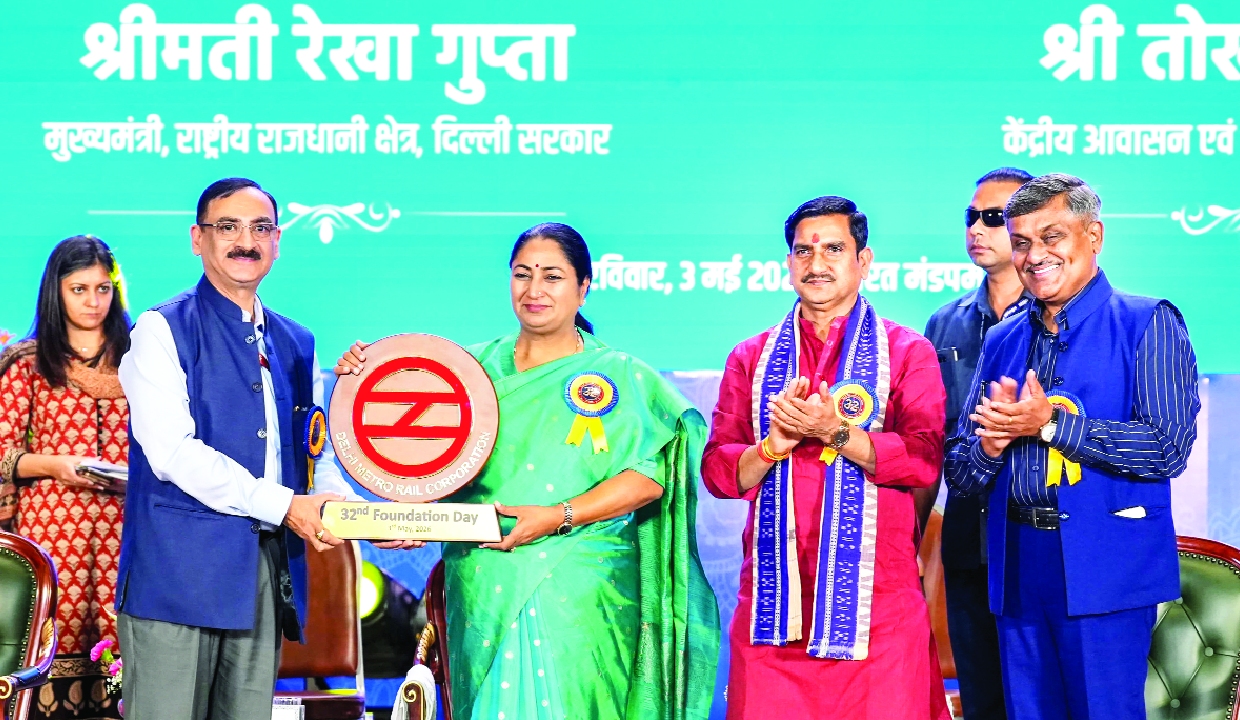
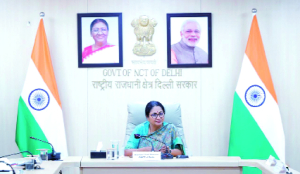
Delhi Chief Minister Rekha Gupta on Sunday announced that seven new Metro corridors will be taken up under Phase V(B), signalling another major expansion of the capital’s rapid transit network as the city pushes to deepen connectivity and reduce dependence on road traffic.
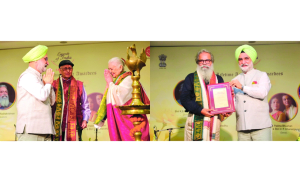
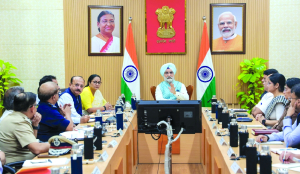
The announcement was made at the 32nd Foundation Day ceremony of the Delhi Metro Rail Corporation, where the Chief Minister said work on Metro Phase IV and the broader Phase V programme is moving at pace and preparations for the new corridors are now underway.
Calling the Metro the “lifeline” of Delhi, the Chief Minister said the network has moved far beyond being just a transport facility and has become the city’s most dependable public system. “Metro has become a benchmark of efficiency, discipline, and public trust. It is difficult to imagine Delhi without it now,” she said while addressing Metro employees, officers, and senior officials.
The expansion announcement comes at a time when Delhi continues to grapple with road congestion, rising vehicular emissions and mounting pressure on public transport infrastructure. Officials said the proposed seven additional corridors under Phase V(B) are expected to further widen the reach of the Metro into underserved stretches and strengthen inter-zone movement across the capital.
The Chief Minister also noted that Prime Minister Narendra Modi had recently inaugurated two new Metro corridors for Delhi and laid foundation stones for three more projects that are already under construction. Tracing the Metro’s rise from an ambitious urban transport plan to the backbone of daily commuting, the Chief Minister said the Delhi Metro Rail Corporation, formed in 1995, has built a network of 416 km despite difficult engineering and land challenges.
At present, Delhi Metro runs 343 trains through 303 stations and operates more than 4,500 trips every day, carrying over 6.5 million passengers daily. Officials at the event said the system’s nearly 100 km of underground tunnels stand as evidence of the scale of technical planning and execution behind the project.
The Chief Minister credited Metro staff, engineers, station workers, and support personnel for maintaining punctuality, operational discipline, and commuter confidence over three decades. She said the Metro’s reputation rests not only on expansion but on the consistency with which it has delivered services.
Linking the Metro’s future growth to Delhi’s environmental crisis, the Chief Minister said a stronger public transport backbone remains one of the city’s most practical responses to pollution.
She said the government’s immediate focus is not only on adding new lines and increasing train frequency but also on improving last-mile access so that commuters can move more seamlessly between stations and neighbourhood destinations.
According to officials, Delhi Metro has also generated carbon credits from the United Nations framework and has contributed to reducing more than 6 lakh tonnes of carbon emissions by shifting passengers away from private vehicles.
The Chief Minister said this makes Metro expansion a climate intervention as much as an infrastructure project. She also stressed that investment in Metro construction is being monitored with financial discipline and transparency to ensure long-term durability of the network.
Metro has become a benchmark of efficiency, discipline, and public trust. It is difficult to imagine Delhi without it now
— Rekha Gupta, Chief Minister