Climate-literate youth to lead India’s sustainable future
India stands at a critical juncture in its development journey and has to strike a balance between its growth and sustainability commitments. At the forefront of this change is the huge potential that Indian society has in store. With the largest number of youth in the world, it remains to be seen to what extent the Indian government and various stakeholders are able to empower its next generation to take advantage of climate change.
Young people in India are now also taking centre stage in climate change. Whether in international dialogues on climate change or in local movements on environmental resilience, young people are gradually influencing discussions on sustainability and climate change.
There are also reports and initiatives by bodies such as UNICEF on children’s and young people’s contributions towards achieving India’s Sustainable Development Goals and Nationally Determined Contributions on climate change. By involving young people in these activities early in life, a sense of awareness of environmental change, together with a willingness to take action, is being developed.
Youth at the forefront of India’s green transition
The significance of youth in the low-carbon transition in India cannot be emphasised enough. Young people are at the forefront of the net-zero transition, leading the cause for sustainable practices in various fields, including renewable energy, waste, agriculture, and climate change. For youth to take up this challenge, there is a need for them to have critical awareness in relation to training. Education, professional training, and non-formal learning are key in building awareness among young people of the required low-carbon skills.
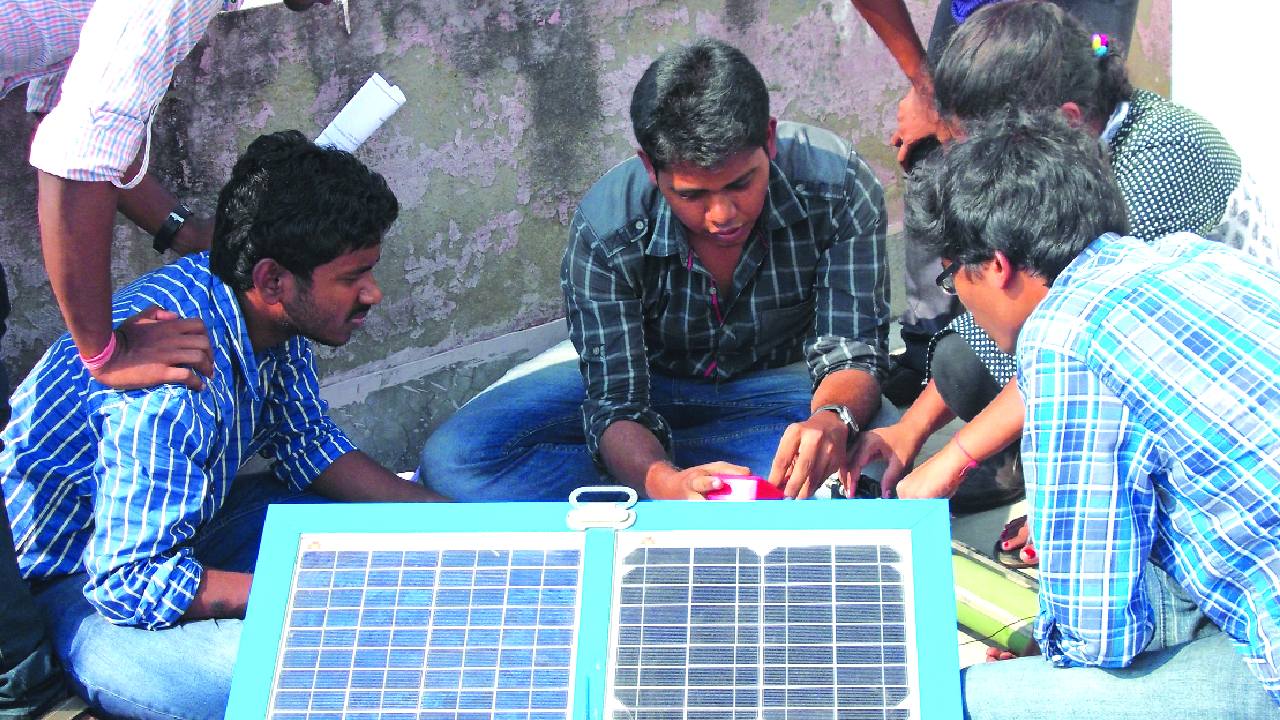
The development of green skills among youth has increasingly been seen as a crucial element both for the growth of the green economy and the development of the economy as a whole. As has been shown in recent debates concerning the education and employment of Indian youth, young people offer the green economy innovation, digital know-how, and the future vision that will drive the sector. The youth’s innovative spirit has led to the development of green businesses and start-ups that have launched revolutionary concepts into the green sector, ranging from clean energy technologies to the circular economy approach.
Building green skills for a sustainable future
The Indian government is now recognising the need for investment in green skills. Green Skill Development Programmes, for instance, offer training opportunities to young people in areas of importance related to environmental protection, renewable energy, forestry, wildlife conservation, and climate change. In tandem with these, educational syllabi are being increasingly updated to give sufficient importance to training in environmental education, ensuring that learning about climate change is imparted from a young age. This is needed as India is rapidly progressing into a green economy.
Despite this progress, there are still some gaps that need to be filled. There clearly exists a need to align skilling programmes and academic programmes to better equip students in terms of emerging demands in the green economy. Youth educated on climate change models need industry-relevant skills and applied knowledge that could be converted into jobs and entrepreneurship opportunities. Presently, about 20 per cent of India’s labour force is engaged in green jobs, and this number is forecast to double by 2030. A major opportunity to capitalise on India’s demographic dividend would arise if the younger population is equipped to meet this challenge. The range of green skills required would be broad and would include skills in renewable energy, sustainable agriculture, water resource management, adapting to climate change, and managing waste.
In the years ahead, climate-conscious youth are poised to be the driving force behind sustainable development in India. With appropriate education and skill sets in place, they are destined to take India towards a future that is strong and sound from both economic and ecological perspectives.
The writer is Director, Gautam Solar; views are personal