Budget: Push for railways reset, momentum in roads network
The Union Budget sets the overarching direction for India’s infrastructure strategy, balancing sectoral performance with measures aimed at course correction. For Indian Railways, this Budget is particularly significant as it marks the tenth year since the merger of the Railway Budget with the General Budget. As such, it is expected to go beyond headline capital expenditure numbers and clearly articulate the long-term direction the Railways will take.
For the comparatively less complex roads and highways sector, the Budget is likely to broadly follow the established pattern of allocations, albeit with sharper focus areas. In the case of the Railways, financial sustainability has emerged as the central challenge. With the operating ratio crossing 98 per cent, the Railways is left with extremely thin margins, limiting its ability to invest in capacity and service improvements. Experts argue that privatisation is no longer optional but imperative. This process could begin with the strategic disinvestment of non-core functions, including Railway public sector undertakings, production units, and large construction-heavy projects such as Dedicated Freight Corridors and high-speed rail. Private capital and execution capabilities, it is argued, are better suited for managing risk-intensive, time-bound projects.
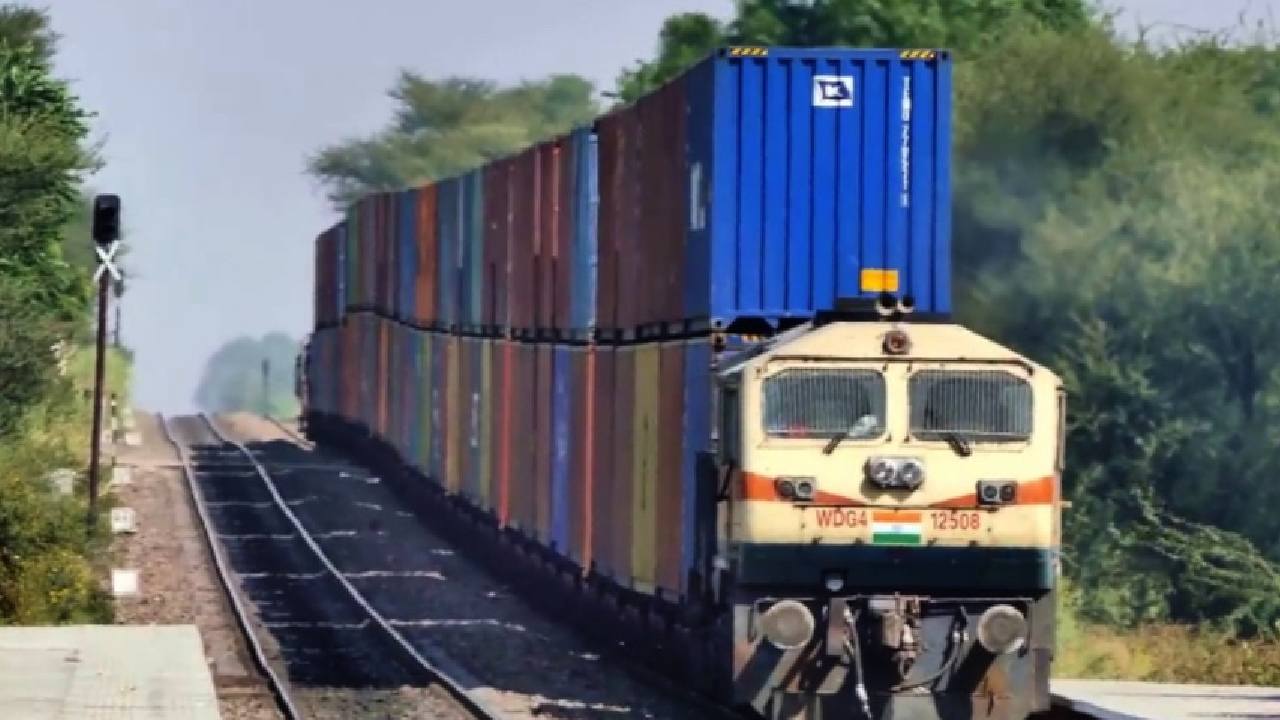
Freight operations are another area where deeper private participation is being advocated. Allowing private players to run commodity-specific freight trains on the same footing as container trains — starting with the Dedicated Freight Corridors — could unlock significant efficiency gains. This would also help reduce the burden of cross-subsidisation, enabling the Railways to refocus on its core public service mandate of providing safe, efficient and affordable passenger and freight transport.
On the investment side, there is a strong case for prioritising capital expenditure strictly for capacity augmentation. Early sanctioning of three new Dedicated Freight Corridors, executed with private sector participation, could significantly boost freight traffic growth. At the same time, long-pending decisions such as the strategic disinvestment of CONCOR, approved by the Union Cabinet in 2019, need to be expedited.
Cost and time overruns remain a chronic concern. A critical evaluation of all major projects has been suggested to ensure better project management and fiscal discipline. To supplement revenues, the Railways is being urged to aggressively pursue non-fare income, particularly through commercial exploitation of surplus land. Transit-oriented development along the high-speed rail corridor and the Mumbai suburban network offers significant untapped potential. Structural reforms are also being proposed in manufacturing and regulation. Railway production units could be hived off as independent corporate entities functioning as cost and profit centres, similar to wagon and locomotive manufacturers.
The creation of an empowered Rail Tariff Regulatory Authority could bring transparency and rationality to passenger fares and freight charges. With over 60 per cent of the Railways’ revenue expenditure going towards wages and pensions, there is also a growing call for either direct compensation for passenger losses or separate financing of pension liabilities.
For the roads and highways sector, the Budget is expected to reinforce the government’s infrastructure-led growth strategy. Innovative financing models to improve ease of doing business for private players and assured funding for mega projects under the National Infrastructure Pipeline will be critical. With higher capital allocations anticipated, emphasis is likely to be placed on rural road connectivity, given its strong multiplier effect on employment, trade efficiency and the development of aspirational districts.
Funding priorities are also expected to include expressways and highways that reduce logistics costs and support national growth, alongside higher allocations for road safety, maintenance and repairs. Bharatmala Pariyojana projects will need to be aligned with the PM Gati Shakti National Master Plan, while flagship projects such as the Delhi-Mumbai Expressway, Frontier Highways, and the Char Dham Mahamarg Vikas Pariyojana are expected to be completed on schedule with assured financing. Finally, the Budget is seen as an opportunity to deepen integration across transport modes, as envisaged under PM Gati Shakti and the National Logistics Policy. This includes accelerated support for multimodal logistics parks, last-mile rail connectivity to ports and industrial clusters, and urban freight solutions to cut congestion and emissions. The debate, analysts argue, should now move beyond how much is spent to what kind of infrastructure is built, how it is financed, and how effectively it is governed.
The authors are a Distinguished Fellow and a Research Analyst at the Chintan Research Foundation (CRF). This article is drawn from the Pre-Budget booklet compiled by CRF; views are personal