Budget and exports: Turning reform into competitiveness
As India approaches Budget 2026, its trade and export strategy stands at a critical juncture. The global economy is being reshaped by supply-chain reconfiguration, sustainability-linked regulations, and intensifying geopolitical competition. For India, this moment presents both opportunity and risk. While the country has expanded its export base and deepened its integration with global markets in recent years, sustaining this momentum will require careful alignment of short-term macroeconomic management with long-term structural reforms.
At the heart of near-term export performance lies a factor often underappreciated in policy debates: external price competitiveness. Empirical evidence clearly shows that movements in the real effective exchange rate have a strong influence on India’s exports in the short run. A stronger rupee can quickly erode competitiveness in price-sensitive sectors, while a more competitive currency environment supports export growth even amid weak global demand. Preserving macroeconomic stability, therefore, is not merely a financial objective — it is a prerequisite for export competitiveness. Budget 2026 must ensure that macroeconomic management, including exchange-rate vigilance, remains aligned with the needs of exporters, particularly during the crucial 2026-2029 period.
At the same time, macroeconomic support alone is insufficient. Structural trade reforms must be sequenced in harmony with prevailing economic conditions so that competitiveness gains translate into tangible export outcomes. Free Trade Agreements (FTAs), for instance, offer preferential market access, but their potential remains underutilised. Institutionalising FTA usage is now imperative. Establishing a National FTA Facilitation Authority could provide unified guidance, streamline compliance requirements, and deploy digital tools for rules-of-origin management. By coordinating closely with industry bodies, sector councils, and state governments, such an institution can significantly raise FTA utilisation rates, especially among MSMEs.
Digitalisation must be central to this effort. Simplified, technology-driven compliance systems can enable firms-particularly smaller exporters-to effectively access preferential tariffs without prohibitive administrative burdens. Alongside this, Budget 2026 should announce a credible, multi-year tariff rationalisation roadmap.
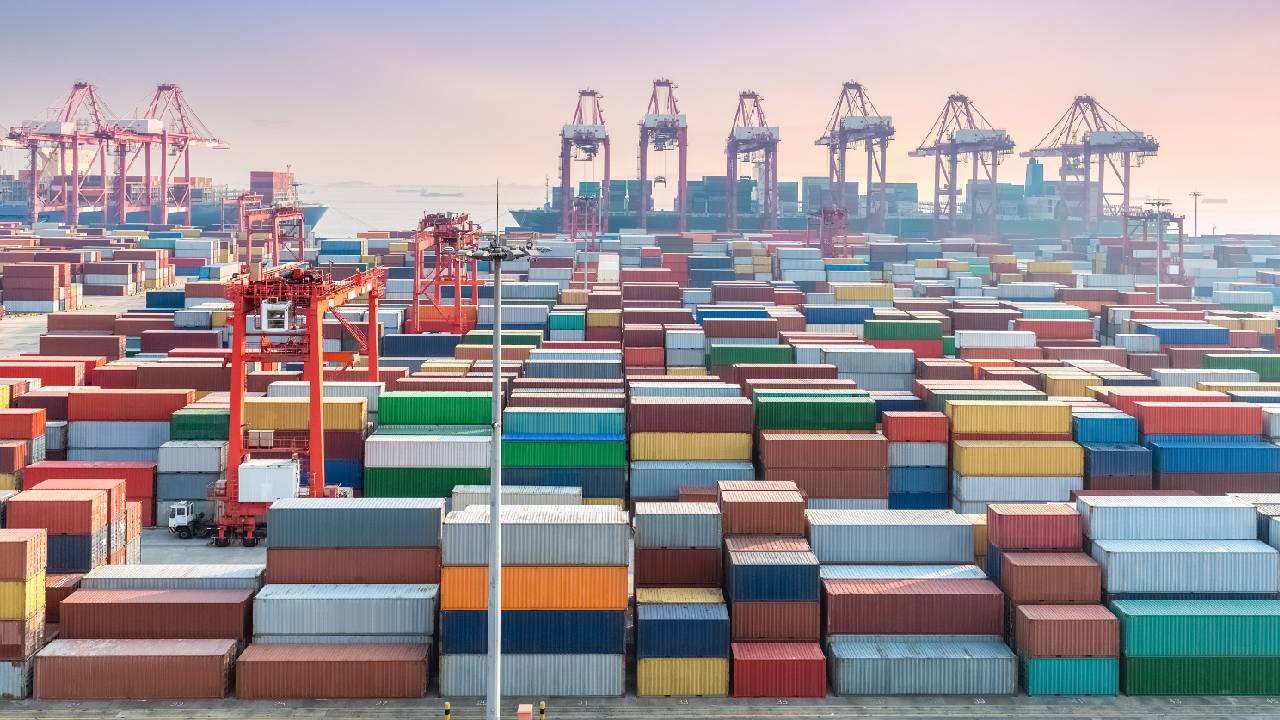
While India has made progress under initiatives such as Gati Shakti, sustained investment is required to modernise ports, strengthen rail-road connectivity, expand cold-chain infrastructure, and develop logistics corridors. These reforms may not immediately reflect in annual export data, but their cumulative impact over several years is decisive. Equally important is the digital integration of trade-related systems. Real-time shipment tracking, seamless interoperability between customs and DGFT platforms, and end-to-end digital documentation can significantly reduce delays and transaction costs. A sharper focus on corridor- and port-level performance will help identify operational bottlenecks and drive targeted improvements.
As global markets become more regulated, standards and sustainability compliance are emerging as key determinants of market access. Budget 2026 should prioritise investment in accredited domestic testing and certification infrastructure to help exporters meet stringent international norms. Building national capacity for carbon accounting and environmental compliance is no longer optional; it is essential for accessing high-value markets in Europe, North America, and beyond. Proactive alignment of domestic standards with evolving global sustainability, digital, and environmental regulations will ensure that Indian exporters remain future-ready rather than reactive. Export diversification must also be elevated as a strategic priority.
Geographically, India needs to deepen engagement with Africa, Latin America, and Central Asia through targeted trade missions, logistics corridors, and credit-guarantee mechanisms. Sectorally, the focus must shift towards future-growth industries such as advanced electronics, renewable energy equipment, AI-enabled services, and medical technologies. At the same time, export-linked industrial development should aim to reduce strategic import dependencies.To ensure accountability, these reforms must be backed by a results-based monitoring framework for 2026-2029. Tracking changes in export-market composition, measuring FTA utilisation rates, assessing logistics performance at the port and corridor level, and monitoring reductions in critical import dependencies will help evaluate whether policy interventions are delivering structural progress. Budget 2026, therefore, should be seen not merely as a fiscal exercise but as a strategic inflection point. By aligning macroeconomic conditions with deep structural reforms, India can move beyond adapting to global shifts and begin shaping the new architecture of international trade.
The writer is President, Chintan Research Foundation; views are personal