Blasé Capital RBI Policy Reactions
The RBI delivered a neutral-to-dovish policy as it chose to look through supply shock emanating from the ongoing energy crisis. The overall guidance is tilted towards “vigilance” given the elevated concerns around growth, and comfort on inflation. We believe the policy rates will remain on hold in 2026.
-Kaustubh Gupta, CIO (Fixed Income), Aditya Birla Sun Life
RBI continues to lay emphasis on keeping ample banking system liquidity to support economic activity. We expect that it will continue to conduct liquidity operations in a way that will keep overnight rates at the lower end of the policy corridor. While the positive development of temporary ceasefire in the West Asia war provides much needed relief across asset classes and currency, geopolitical risk will continue to drive the markets.
-Amit Somani, Deputy Head (Fixed Income), Tata Asset Management
The RBI meeting outcome was largely along expected lines. The overall tone was cautious, with the committee on a wait-and-watch mode, while remaining vigil on global developments. The governor indicated comfort around the external front, and reiterated to be proactive and pre-emptive in terms of liquidity management. We continue to remain constructive on the near end of the curve given the RBI’s assurance of maintaining adequate system liquidity.
-Naval Kagalwala, COO, Shriram Wealth
It was not even mildly hawkish in any sense. RBI expressed that the risk of Iran war will become systemic when it stated that ‘initial supply shock may potentially become a demand shock.’ It will be a wrong conclusion that a long Iran war means higher rates. It can mean lower growth, and lower rates. El Nino found its space in the speech, which may drive the conversations for the next few months.
-Sandeep Yadav, Head (Fixed Income), DSP Mutual Fund
On inflation, the RBI highlighted a range of factors, from energy shocks feeding into inflation and growth to second-order effects on manufacturing, from trade disruptions due to blocked routes to the looming threat of El Niño. The expectations remain for a prolonged pause in policy rates with the curve expected to continue its steepening bias.
-Basant Bafna, Head (Fixed Income), Mirae Asset Investment
We think financial stability will no longer play second fiddle to the inflation-centric policy reaction function, and may emerge as the primary focus, if the crisis persists. Policy responses are needed to broaden beyond inflation, with a stronger emphasis on macro-financial stability and a more assertive stance on forex management. This shift is visible. We believe that the bar for any conventional rate hike remains high.
-Madhavi Arora, Chief Economist, Emkay Global Financial
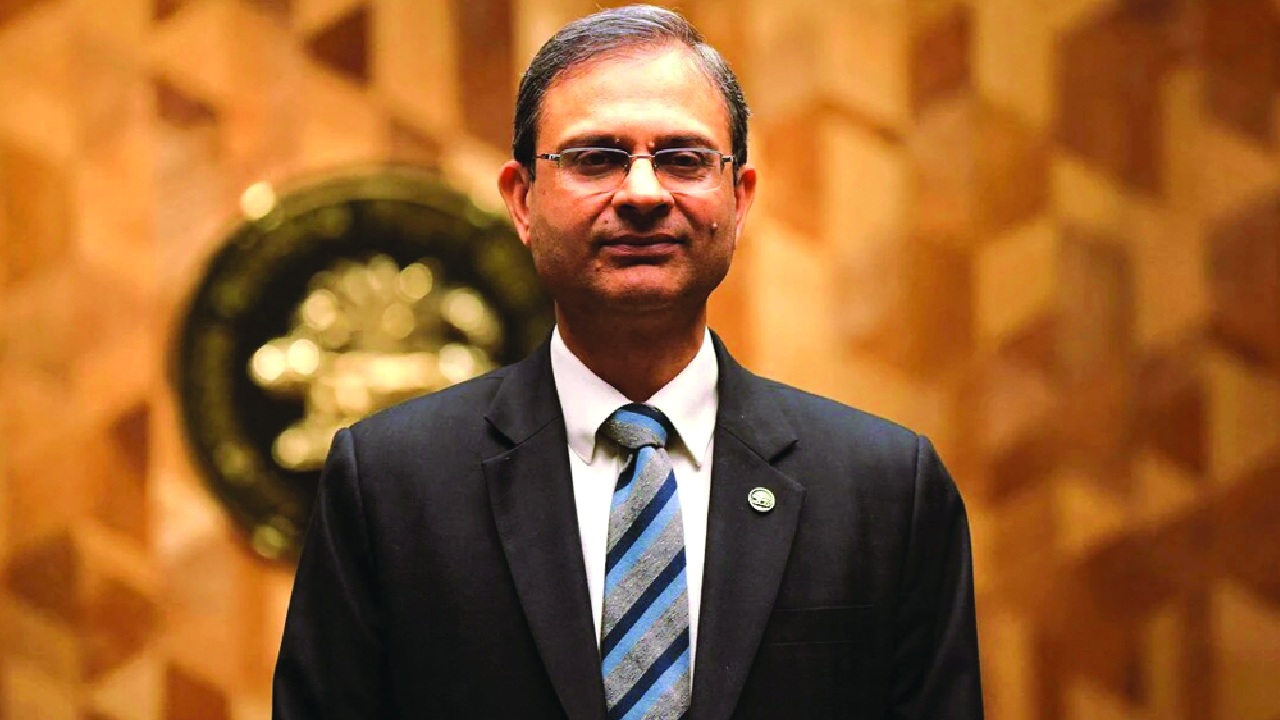
Governor Sanjay Malhotra emphasised that while India’s economic fundamentals remain on a stronger footing compared to previous crises, the central bank is adopting a ‘wait and watch’ approach. RBI sees risks to inflation from the likely emergence of El Niño but believes that core inflation pressures remain muted.
-Churchil Bhatt, Ex VP (Investment), Kotak Mahindra Life Insurance
In the face of pressures such as geopolitical tensions, volatile energy prices, and currency movements, maintaining the status quo provides much-needed predictability to the broader economy. For the real estate sector, this continuity in interest rates plays a crucial role in sustaining momentum. In an environment where sentiment can be easily influenced by macroeconomic signals, the absence of rate volatility acts as a reassuring factor.
-Shishir Baijal, CMD, Knight Frank India
We do not see RBI hiking policy rates until CPI inflation durably surpasses 6 per cent, and expectations get unhinged. We believe the 6.9 per cent growth estimate may need a reassessment as full pre-war energy export volumes might take 3-6 months due to backlog, diverted tankers, and partial infrastructure damage.
-Garima Kapoor, Economist, Elara Capital
We do not see RBI hiking policy rates until CPI inflation durably surpasses 6 per cent, and expectations get unhinged. We believe the 6.9 per cent growth estimate may need a reassessment as full pre-war energy export volumes might take 3-6 months due to backlog, diverted tankers, and partial infrastructure damage.
-Garima Kapoor, Economist, Elara Capital
The decision to hold rates is the right call, not a pause, but a pivot to patience. For us, the signal is clear that the next phase of growth will not be liquidity-constrained but execution-driven. MSMEs are entering a phase where working capital cycles are becoming volatile. This requires banks to move beyond collateral-led lending to dynamic, cash flow-based models anchored in GST trails, account aggregator frameworks, and transaction data.
-Salee S Nair, MD & CEO, Tamilnad Mercantile Bank