BJP dividing people over Nellie massacre: Opposition
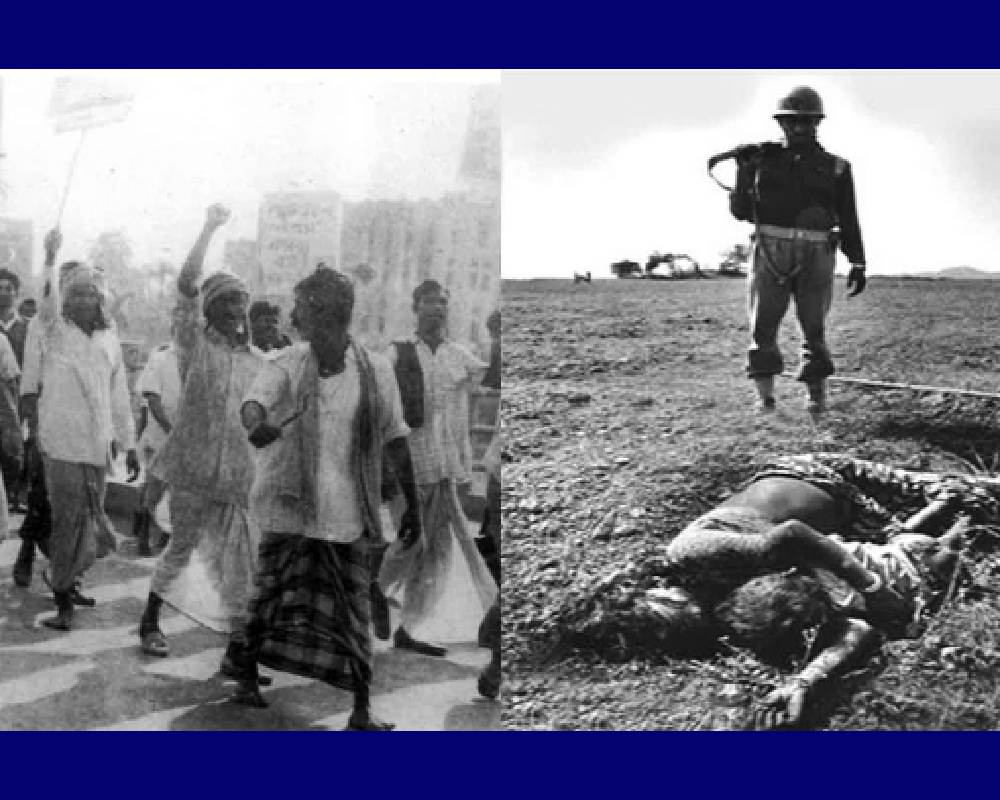
A day after the placing of reports of two panels on the 1983 Nellie massacre in the Assembly, mixed reactions were evoked, with the Opposition claiming that the ruling BJP has done it to create division among people, while the AASU said people need to know the situation that led to the clashes. The BJP-led Government in Assam circulated the reports in the assembly on Tuesday, more than four decades after the bloodshed, ahead of the assembly elections due next year.
On tabling the reports in the Assembly, Chief Minister Himanta Biswa Sarma said all MLAs will be given a copy. No debates. This is for academic purpose and to let people know the facts hidden for the past 43 years, he said. The Tewary Commission was officially constituted by the then Chief Minister Hiteswar Saikia of the Congress, while the non-official Mehta Commission was formed by a civil society group. Their reports had contradicting views on the Nellie massacre, which claimed over 3,000 lives in a single day, and other incidents of violence which took place as assembly polls were held during President’s Rule in 1983 amid a boycott call by the protagonists of the Assam Agitation.
Leader of the Opposition, Debabrata Saikia of the Congress, said the reports have been placed in the Assembly with the aim to further ‘communalise the prevailing situation’ in the State. The then Congress Government had not made the Tewary Commission report public as it did not mention the alleged involvement of several national leaders who had instigated violent protests in the State then, said Saikia.
‘Both the Tewary and the Mehta Commission reports had excluded many important aspects of the Assam agitation that led to widespread violence in the State’, he said. The placing of the reports at this stage, ahead of assembly polls next year, was to create a communal situation in the state and divide the society, Saikia alleged.
Assam Jatiya Parishad General Secretary Jagadish Bhuyan, who was AASU’s central executive member during the Assam agitation, told the media that it was ‘absolutely irrelevant’ now to place reports submitted four decades ago. “The aim is to polarise and destabilise the society ahead of the assembly elections. But people have not given any importance to the issue,’ he said. Besides, there are several commissions, the reports of which have not been implemented in the State, and the Government should focus on those that impact the society, Bhuyan added.
AASU advisor Samujjal Bhattacharya, however, countered, asserting that the issue was still relevant today and the people in the state, country and the world should know how elections were then “manipulated” in Assam.
The AASU was one of the driving forces behind an agitation against illegal foreigners during 1979 and 1985. “Democracy was murdered in the State. People, particularly the younger generation, should know about the injustices meted out to Assam by the then central government,’ he said.
The Mehta report was already in the public domain, and the ‘people definitely have the right to know what is there in the Tewary Commission,’ he added.
For farmer Suleiman Ahmed Qasimi, who had lost 12 family members and two other relatives visiting them on that fateful day of February 18, 1983, however, said that the placing of the reports holds no meaning as most of those against whom cases were filed are no longer alive. “More than 43 years have passed, but no action has been taken. We do not expect any justice now but only hope that there is no further politics on this matter,” the survivor, who was then 12 years old, he said. “Maybe the Chief Minister, who usually talks against the Miyas, is trying to appease us for a change by placing the report of the Nellie massacre in the assembly,’ he said.
Miya is a pejorative term for immigrant Bengali-speaking Muslims in Assam. Qasimi said that they will be thankful to him if his government can ‘give us justice in some way’.
Chief Minister Himanta Biswa Sarma had mentioned that the placing of both the reports in the assembly was an “academic exercise” and would bring to the fore a ‘big chapter in Assam’s history”. The highlight of the report is not about the incidents but the demographic changes that have taken place in Assam since 1951, how the farmland of the local population declined during that period and how the Assamese at large were losing its political, economic and cultural identity, he added. “The report has beautifully narrated the situation of the Assamese people way back in 1983. I think the report is still relevant and it is a part of our history which should not be kept hidden under lock and key, so we decided to publish the report for the better understanding of the people at large,” Sarma said.
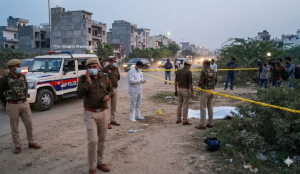
There was a series of violent incidents in the run-up to the elections. But on February 18, 1983, in the small town of Nellie in Central Assam’s Morigaon district, over 3000 people, most of them immigrant Bengali-speaking Muslims, were killed allegedly by Tiwa (Lalung) tribals, while almost three lakh people lived in relief camps for months.