Besides incentives, new EV policy focuses on transport sector reforms: CM Rekha
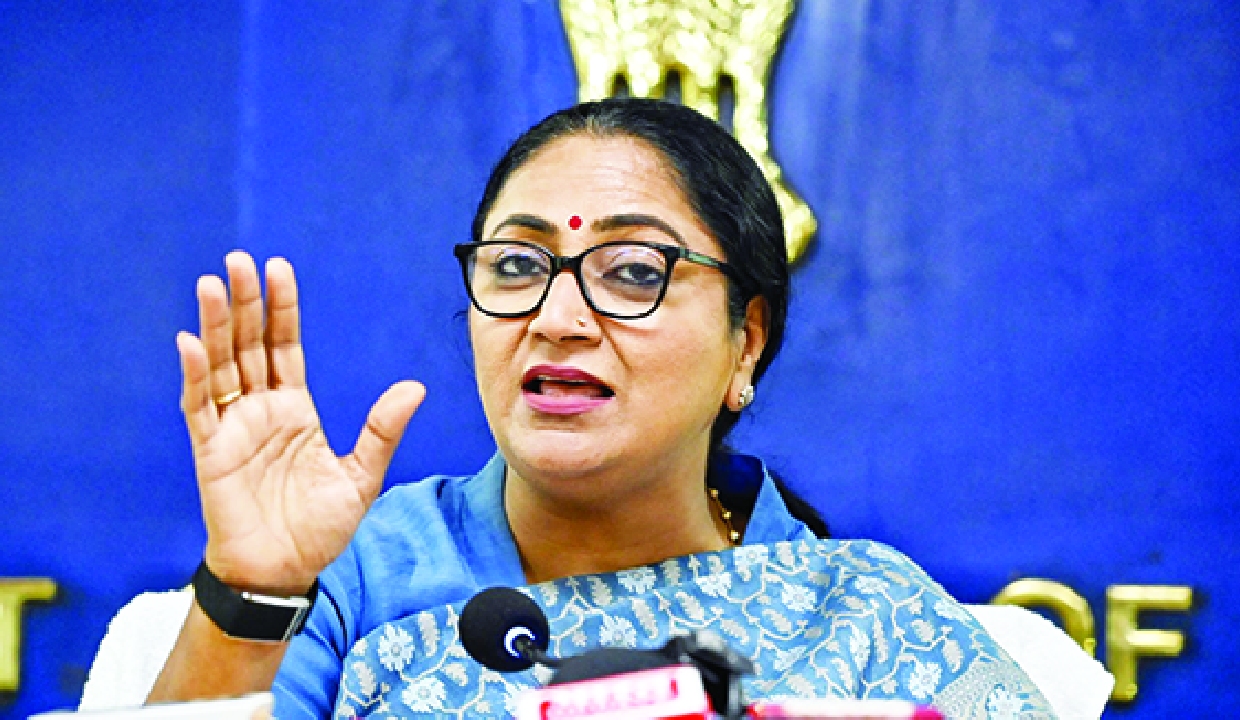
The new EV policy not only offers incentives on buying an electric vehicle, but it also provides a roadmap for structural reforms in the transport sector, Chief Minister Rekha Gupta said on Tuesday. The chief minister said the previous EV policy, introduced in 2020, played its part in starting Delhi’s shift toward electric mobility but was built on a flawed assumption that offering subsidies alone would be enough to drive large-scale adoption. “What Delhi now needed was a comprehensive policy that would gradually transform the entire transport system towards electric mobility,” she said.
According to officials, the EV Policy 2026 was approved by the LG Taranjit Singh Sandhu on Tuesday, after which the transport department will notify the policy and launch a separate portal.
“EV policy 2026 goes beyond offering incentives for purchasing electric vehicles and lays out a clear roadmap up to March 2030 for structural reforms in the transport sector, expansion of charging infrastructure, a stronger institutional framework and the phased electrification of different vehicle categories,” the chief minister said.
“Building on that framework, the new government has introduced a clear programme of phased mandatory electrification across different vehicle categories, along with incentives, to accelerate the transition to electric mobility,” she added.
The chief minister said the new policy continues to provide a purchase incentive of up to Rs 30,000 for electric two-wheelers.
“For the first time, it also offers an additional incentive of Rs 10,000 for scrapping an old vehicle. Also, from April 1, 2028, registration of all new two-wheelers in Delhi will be permitted only as electric vehicles,” the chief minister’s office said in a statement.
In addition, from January 1 next year, all new auto-rickshaws will be registered only as electric vehicles, ensuring a complete transition of this segment to electric mobility, Gupta further said.
The chief minister said the institutional framework under the new policy has also been strengthened.
While the earlier policy had only an EV Cell and the State EV Board, the new framework includes the Delhi EV Apex Committee, a High-Powered Committee and a dedicated EV Cell, she further said.
Keeping in mind the environmental aspects, the new policy also introduces battery traceability, from manufacturing to recycling through digital tracking, collection centres and a public- private-partnership (PPP) based recycling system, officials said.