Assembly hosts Ram Katha evening
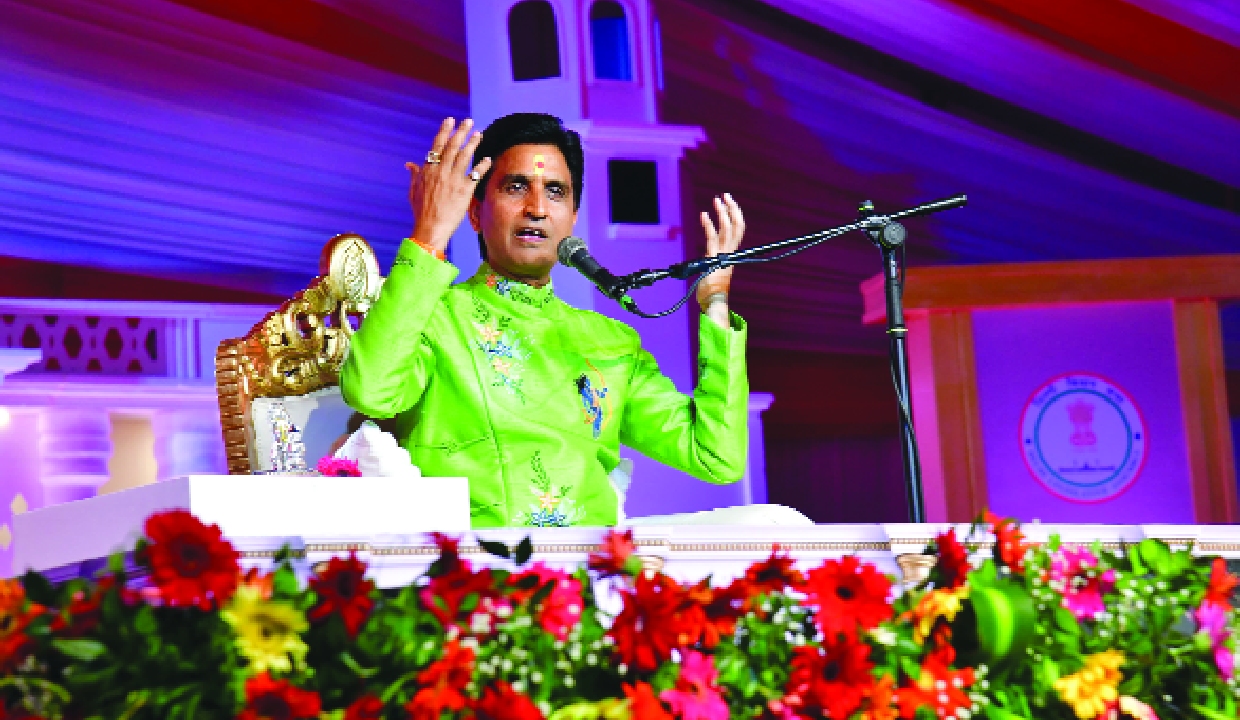
The Delhi Assembly on Wednesday hosted a special cultural programme, Apne Apne Ram Ram Katha, featuring poet and storyteller Dr Kumar Vishwas, with Speaker Vijender Gupta saying the life of Lord Ram continues to offer lessons in duty, justice, and public conduct.
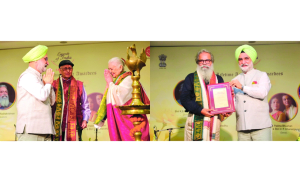
Held inside the Assembly premises, the event drew a packed audience and brought together senior political leaders, government officials, and invited guests for an evening centred on literature, philosophy, and civilisational thought.
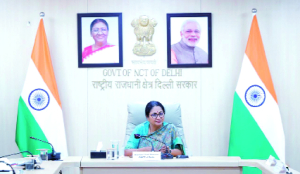
Chief Minister Rekha Gupta, several MLAs, Chief Secretary Rajeev Verma, and other senior Delhi Government officials were present at the programme, which was organised in collaboration with the Education Department.
The Assembly complex was specially illuminated for the occasion, while the main hall remained full throughout the presentation, reflecting strong public and official interest in the event.
Presiding over the gathering, Speaker Vijender Gupta said Lord Ram should not be seen only as a figure of faith but also as a lasting model of discipline, responsibility, and fairness.
He said the values associated with Ram continue to remain relevant in both private life and governance, particularly at a time when institutions need stronger ethical direction.
Gupta also said cultural programmes of this nature help reconnect public life with deeper moral ideas and provide an opportunity for institutions to engage with India’s intellectual traditions. At the centre of the evening was Dr Kumar Vishwas’s widely known narrative presentation Apne Apne Ram, in which he blended poetry, commentary, and storytelling to interpret different dimensions of the Ramayana.
Rather than limiting the discourse to a devotional retelling, the presentation examined Lord Ram as a symbol of restraint in power, commitment to justice, compassion in action, and duty above personal interest.
Through references to major episodes from Ram’s life, the narration highlighted the dilemmas, sacrifices, and decisions that shaped him as an ethical and civilisational figure. Audience members remained engaged through the long presentation, with repeated moments of silence and applause as themes of sacrifice, integrity, courage, and social responsibility were explored.
Officials said the event was designed not merely as a religious gathering but as a broader cultural initiative to promote engagement with India’s literary and philosophical heritage, especially among younger audiences.