Anganwadis: Need to keep it above votebank politics
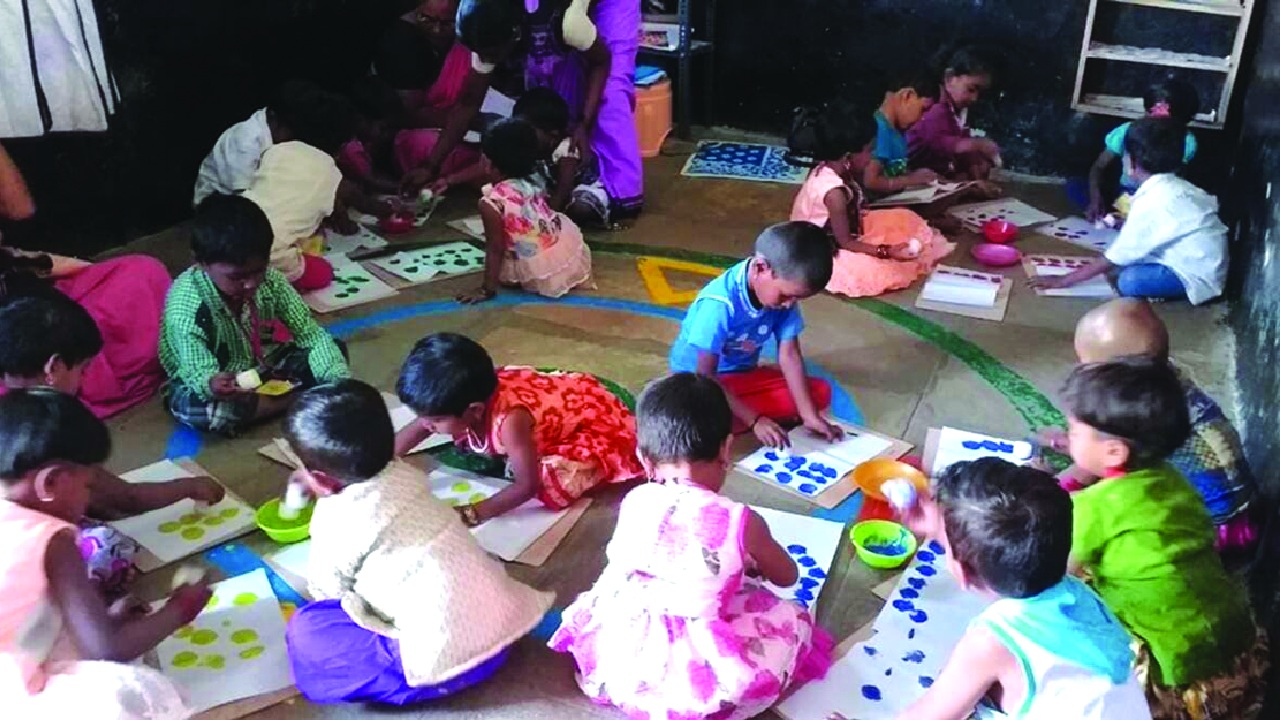
On the morning of February 2, 2026, Kanchan Bai Meghwal arrived early at the anganwadi centre (AWC) in Neemuch district’s Ranpur village in Madhya Pradesh. Her self-help group, of which she was president, was in charge of preparing midday meals for the children at the AWC and it was her turn to cook that day.
While working, she saw a swarm of bees heading towards the children. Instinctively, Meghwal rushed out and shielded the children with tarpaulin sheets while positioning herself in front of them and facing the brunt of the attack. While this courageous act saved 20 children, the innumerable bee stings she suffered in the process proved fatal.
Some months prior to this incident, in the neighbouring state of Odisha, the engagement of Sharmistha Sethy, a Dalit woman, as anganwadi helper at the AWC in the state’s Nuagaon village in Kendrapada district enraged upper-caste communities to such an extent that they stopped sending their children there. They did not want their children to eat meals prepared by a Dalit woman. Even pregnant and lactating women, who also visit the anganwadi for their take-home rations, refused to go. Sethy’s plight was spotlighted after newspapers reported the reason for the three-month boycott of the anganwadi centre. It required the matter to be raised in Parliament, mediation by state
departments, and a minister to eat the meal prepared by Sethy at the anganwadi before matters could be resolved. Last week, the children returned to the AWC.
Incidentally, Meghwal also belonged to the Dalit community. Is this fact important? Yes, because had Meghwal seen herself only as a Dalit and an untouchable, she may have thought twice before sacrificing her life for the children. Had she done so, she would probably have been alive today. Maybe she should have. As the sole breadwinner of the family, her act of selflessness left her paralysed husband and her young children rudderless.
However, thanks to the media attention Meghwal’s case received, the state government announced financial assistance of `4 lakh to her kin and an undertaking to bear the expenses of her children’s education. Now, it remains to be seen whether all these promises are met once the media glare fades.
Unfortunately, cases of caste discrimination like the one in Odisha are not the first of their kind. Caste prejudice is entrenched across the length and breadth of India. A 2012 study by the Institute of Human Development found that caste prejudices in Bihar’s villages were adversely affecting children in anganwadis.
Last year, upper-caste families stopped their children from going to the AWC in Bidar, Karnataka, to protest against the appointment of Milana Bai, a Dalit helper. Instead of resolving the issue, the Child Development Project Officer (CDPO) asked Milana Bai to look for another job. It was only after district officials intervened that the impasse was somehow resolved. Anganwadi centres are part of the Ministry of Women and Child Development’s flagship Integrated Child Development Scheme (ICDS). There are about 14 lakh AWCs across the country, with the implementation of ICDS, including recruitment of anganwadi workers and helpers, resting with states.
Recognising the important role AWCs play in the cognitive and nutritional development of a child, the central government increased investments to modernise AWCs in the country to become ‘Saksham Anganwadis’ by incorporating technology to make them ‘smart’.
Under the Mission Saksham Anganwadi & Poshan 2.0 initiative, the government has allocated `21,960 crore for 2025-26 to make anganwadi centres digitally smart but has not, in parallel, given equal priority to eliminating caste prejudices that undermine the purpose of AWCs. Crucial to combating caste-based injustices is strengthening the implementation of anti-discrimination laws and policies, such as the Scheduled Castes and Scheduled Tribes (Prevention of Atrocities) Act, and ensuring timely justice for victims of caste-based discrimination. But implementation is, more often than not, weak.
Casteism is so inexorably intertwined with all spheres of life, including politics, that it is more rewarding to exploit caste loyalties for electoral gains than to double efforts to end it.
Anganwadis lay the foundation for the physical, psychological and emotional development of the child and must be kept above vote-bank and caste politics.
The writer is journalist writing on development and gender; views are personal