Allocate budgetary provisions for women-led growth
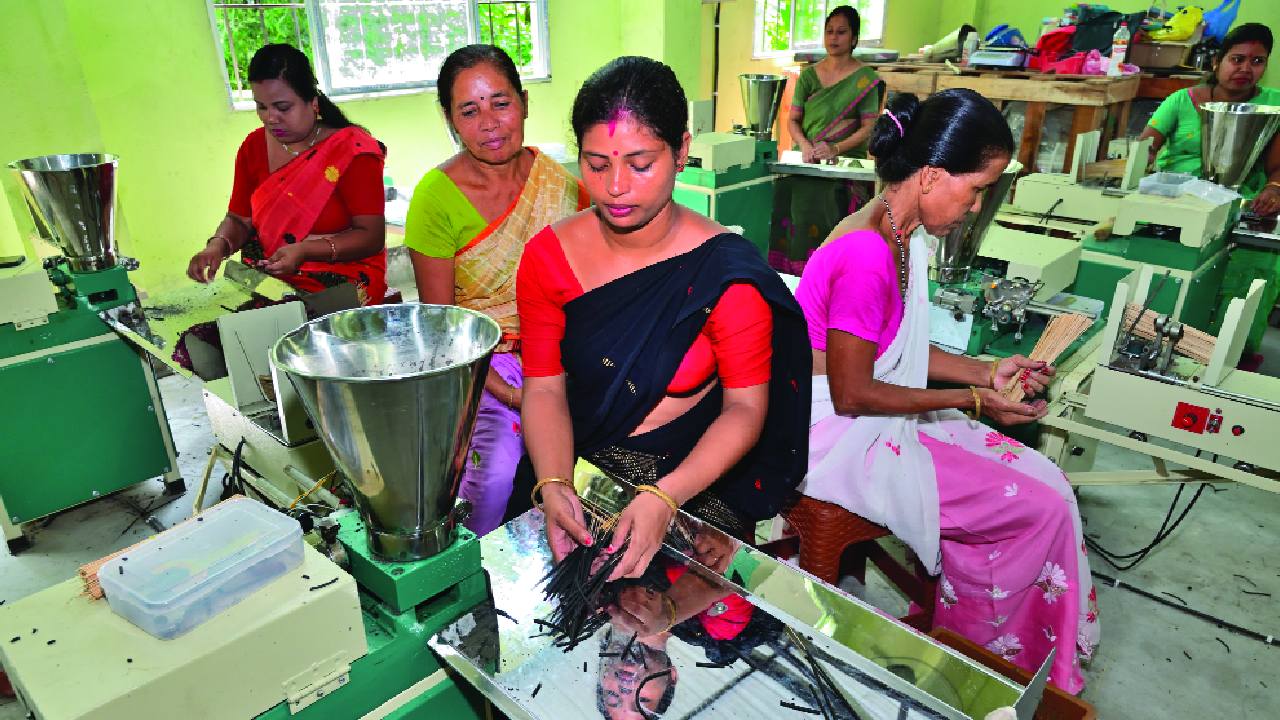
Robust budgeting for the Ministry of Women and Child Development (MWCD) is increasingly being viewed as a cornerstone for human development and long-term gender equality, rather than a mere administrative exercise.As the Union Budget 2026 approaches, experts and policy analysts are calling for a comprehensive restructuring of gender budgeting to address persistent gaps in equity, impact, and implementation across states. While recent years have seen improvements in infrastructure, awareness, access to services, and key indicators such as the Sex Ratio at Birth (SRB), uneven state-level execution and outdated baselines continue to limit outcomes.
A major concern highlighted is the current structure of the Gender Budget, which is divided into Part A (100 per cent women-specific schemes), Part B (30-99 per cent allocation for women), and Part C (below 30 per cent).Despite its intent, Part A witnessed a 6.1 per cent decline, with nearly 74 per cent of its allocation directed towards housing schemes, while women’s empowerment initiatives received only 3.3 per cent.
Part B now dominates the Gender Budget with a 72.75 per cent share, compared to 23.50 per cent for Part A, indicating the need to reassess which schemes deliver maximum impact and reclassify them accordingly.
Analysts also recommend increasing annual MWCD allocations by 8-10 per cent to keep pace with inflation and expanding beneficiary needs, while avoiding mid-year budget cuts. Currently, Saksham Anganwadi and POSHAN 2.0 account for nearly 82 per cent of the MWCD budget, underscoring the priority given to nutrition and maternal and child health.In contrast, Mission Shakti, which focuses on women’s safety and empowerment, receives only about 12 per cent, raising concerns about underfunding in areas such as gender-based violence prevention and economic empowerment.
Given that implementation largely rests with states, experts stress the importance of state-wise performance analysis to identify best practices and bottlenecks.
States demonstrating efficient utilisation and measurable improvements in the status of women and children could be incentivised with additional allocations, while non-reporting and non-compliance should attract accountability. The role of the private sector is also being highlighted as a key enabler. Corporate initiatives under CSR, such as the Adani Foundation’s SHE framework and programmes by Reliance, TCS, and Wipro in education and gender equality, have shown tangible grassroots impact. Further fiscal incentives could encourage greater private participation. Additionally, shortages of staff and trained officers across schemes remain a challenge.
Dedicated budgetary provisions for timely recruitment, training, and capacity building are being recommended to ensure seamless implementation. The consolidation of multiple schemes into three flagship programmes-Saksham Anganwadi & POSHAN 2.0, Mission Shakti, and Mission Vatsalya-has marked a phase of administrative consolidation for the MWCD. Strengthened and restructured budgeting under Budget 2026 is now seen as critical to closing gaps in malnutrition, improving women’s safety systems, and advancing India’s commitments to Sustainable Development Goal 5 on gender equality and related development goals.
The author is an Associate Fellow at CRF. This article is drawn from the pre-Budget booklet compiled by CRF; views are personal