A powerful way to bring peace and harmony to one’s life
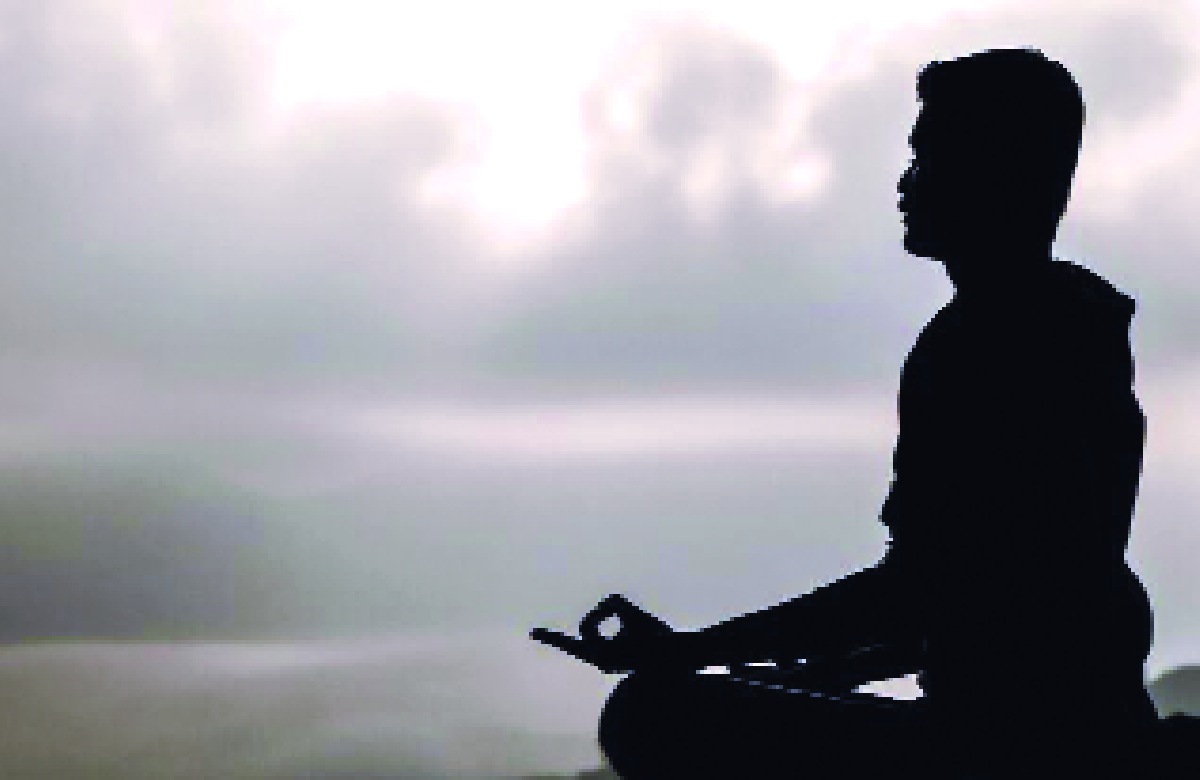
As the United Nations observes World Meditation Day on December 21, the global community is being invited to pause - not in inertia, but in awareness. In an era marked by conflict, anxiety, digital overload, and declining mental health indicators, the UN’s recognition of meditation is both timely and transformative. It acknowledges that sustainable peace is not only negotiated in diplomatic chambers but cultivated within the human mind.
Meditation, long rooted in ancient wisdom traditions, has today emerged as a subject of rigorous academic inquiry. Peer-reviewed research published in leading neuroscience and psychology journals demonstrates that regular meditation practice can reduce stress, anxiety, and depression while improving emotional regulation and cognitive clarity. A landmark study from Harvard Medical School observed structural changes in brain regions associated with learning, memory, empathy, and self-awareness after just eight weeks of mindfulness meditation practice. Such findings validate what yogic traditions have asserted for millennia: inner discipline shapes outer behaviour.
India’s contribution to this global understanding is profound, particularly through institutions such as the Bihar School of Yoga, founded by Swami Satyananda Saraswati in Munger, Bihar. The Bihar School of Yoga emphasises meditation not merely as a relaxation technique, but as a systematic training of consciousness. Its research-based yogic practices - such as Yoga Nidra, Antar Mouna, and Ajapa Japa - are widely studied for their impact on mental health, trauma recovery, and psychosomatic balance. Scholars associated with Bihar Yoga Bharati (Yoga University) have consistently highlighted that meditation enhances self-regulation, resilience, and emotional intelligence — qualities increasingly essential in today’s volatile world.
Academic papers emerging from yoga universities and interdisciplinary research centres underline that meditation bridges science and spirituality. It is neither religious nor ideological; rather, it is a universal human capacity. As one research conclusion from yogic studies notes, meditation enables “a conscious restructuring of mental patterns, leading to improved adaptability and inner stability”. This insight aligns seamlessly with contemporary psychological models of mindfulness-based interventions now adopted in healthcare systems worldwide.
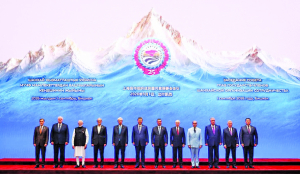
At the policy level, India has played a pivotal role in bringing contemplative practices to the global stage. Prime Minister Narendra Modi, a consistent advocate of yoga and meditation, has repeatedly emphasised their relevance beyond personal wellness. In his public addresses, he has described meditation as “a powerful way to bring peace and harmony to one’s life, society, and the planet”. His message reinforces the idea that global harmony begins with individual balance — a philosophy that resonates deeply with the UN’s vision for World Meditation Day.
The United Nations’ endorsement of meditation is also a subtle yet significant shift in global governance thinking. It recognises mental well-being as foundational to peace, development, and human dignity. In a world grappling with war, displacement, climate anxiety, and technological disruption, meditation offers a low-cost, high-impact tool for restoring inner equilibrium and social cohesion.
World Meditation Day, therefore, is not symbolic alone - it is instructional. It urges governments, educational institutions, and civil society to integrate contemplative practices into daily life, classrooms, workplaces, and public health systems. The convergence of scientific evidence, yogic scholarship, and political leadership sends a clear message: the future of peace depends as much on inner awareness as on external agreements.
As humanity navigates uncertain times, meditation stands as a quiet yet powerful act of resistance against chaos — reminding us that lasting change begins within.
The writer is a research scholar; views are personal