A new chapter in India-Bangladesh ties
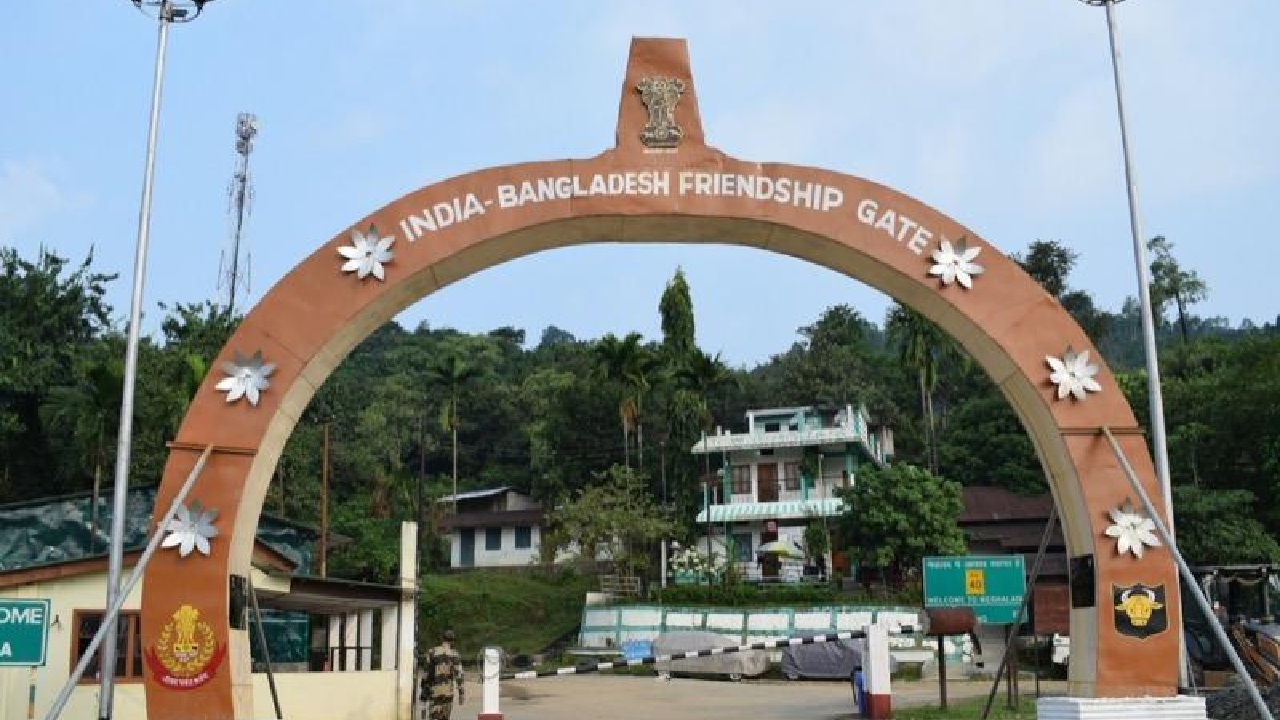
With the formation of The Bangladesh Nationalist Party (BNP) government in Bangladesh, there is renewed vigour and movement in Indo-Bangladesh relations. Historically, India and Bangladesh have enjoyed synergy and have cooperated on various issues of development and mutual security. However, the Gen Z uprising and the subsequent removal of Sheikh Hasina from the top post changed the equation between New Delhi and Dhaka. Anti-India sentiment prevailed as India allowed Sheikh Hasina to take shelter on its soil. The interim government, headed by Muhammad Yunus, made no bones about showing its displeasure and sought the return of Sheikh Hasina to try her for a plethora of charges levelled against her. However, with the formation of an elected government in Dhaka, some movement towards normalising relations is visible. The visit of Foreign Minister Khalilur Rahman to New Delhi must be seen in this context, and it is more than a routine diplomatic exchange — it signals Dhaka’s effort to have better relations with its close neighbour. This engagement is the first real test of how both nations intend to take forward their relations and whether they are willing to overlook irritants and move forward for the betterment of their people. For India, relations with Bangladesh, rooted in historical goodwill, are a strategic necessity.
At the heart of this “reset” lies the question of trust. The Bangladesh Foreign Minister has categorically stated that his government will follow a policy of ‘Bangladesh first’ and would be open to resetting relations on that premise. Dhaka’s renewed emphasis on unresolved issues, such as the Teesta River water-sharing agreement, must be dealt with carefully. For Bangladesh, equitable water distribution is not merely a bilateral irritant but a domestic political imperative.
India must take into account the concerns of its neighborus to retain credibility. Incidents of illegal migration and civilian casualties along the border have long cast a shadow over the relationship. A humane and transparent approach to policing the border is essential. Energy cooperation offers a more promising avenue. India is well-positioned to emerge as a reliable partner through electricity exports and infrastructure collaboration. Yet, the diplomatic path to normalisation is mired in difficulties. The extradition of Sheikh Hasina is a complex matter, and New Delhi will have to handle it with caution. Neither nation can afford to let a single contentious issue derail the larger strategic framework. A calibrated, law-bound response, rather than a politically reactive one, must be explored. For New Delhi, the challenge is to strike a balance between reassurance and realism. While extending a hand of cooperation, India must also articulate its core concerns, ranging from cross-border security to regional stability.
The emphasis must be on incremental progress and should reflect a pragmatic recognition that trust is rebuilt gradually, not overnight. The onus lies on both sides to ensure that this diplomatic opportunity does not slip into yet another chapter of missed possibilities.