11,800 violators booked during 3-hour mega drive
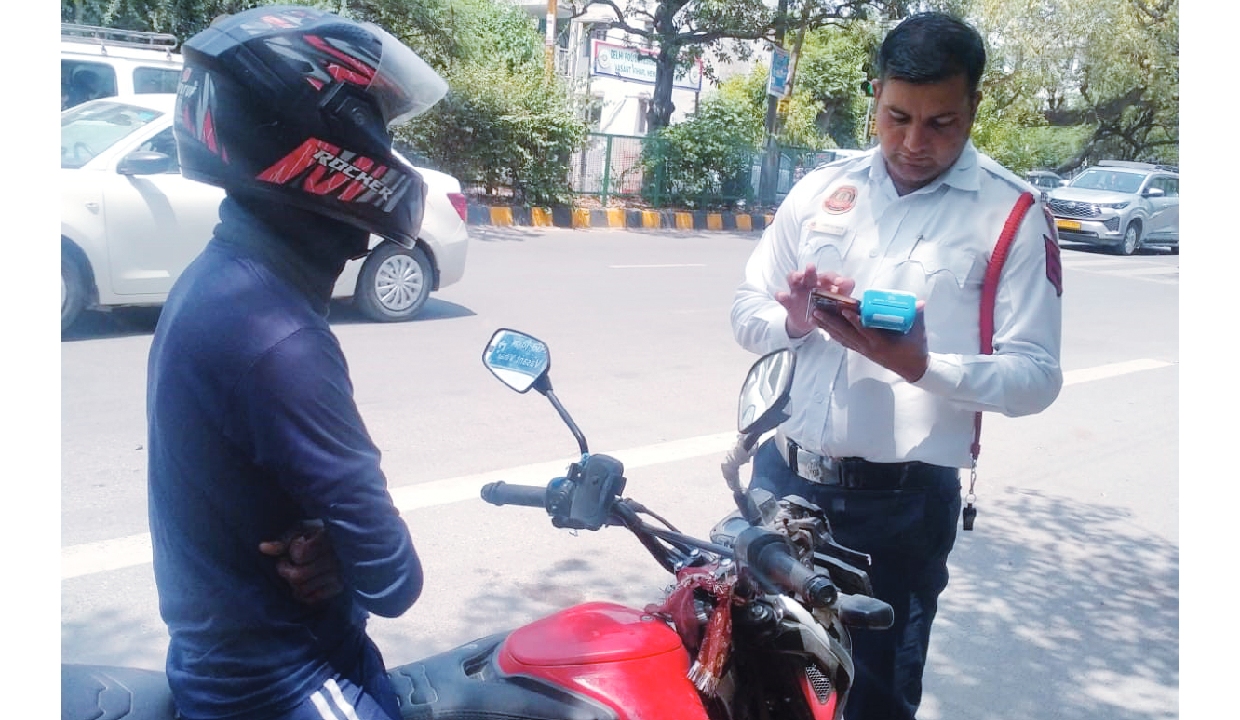
In one of its sharpest recent enforcement actions, Delhi Traffic Police prosecuted 11,800 motorists in just three hours during a city-wide special drive against improper parking and wrong-side driving, two of the most common causes of congestion and road accidents in the Capital.
The intensive crackdown was carried out simultaneously across all traffic ranges and districts on Saturday, with teams deployed on arterial roads, market stretches, service lanes, and accident-prone corridors. The operation focused on clearing obstructive parking and penalising motorists found driving against the designated flow of traffic.
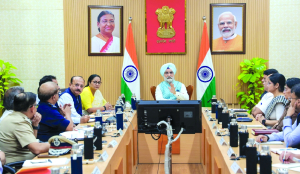
Additional Commissioner of Police, Traffic, Vijayanta Goyal Arya said the drive was part of Delhi Traffic Police’s sustained effort to improve road discipline and reduce daily violations that repeatedly trigger traffic snarls and safety risks. “Improper parking and wrong-side driving are among the most persistent violations on Delhi roads. Both directly affect smooth movement and put lives at risk. The enforcement will continue with the same intensity,” Arya said. Out of the total prosecutions, more than 8,500 were issued for improper or obstructive parking. Officials said vehicles parked in no-parking zones, near road intersections, on footpaths, outside markets, and along narrow service lanes were specifically targeted because they routinely choke traffic movement during peak hours.
Several vehicles were also towed away from critical stretches where illegal parking had narrowed carriageways and created bottlenecks. Traffic personnel were instructed to focus on spots with a history of daily congestion complaints.
The second major focus was wrong-side driving, for which over 3,500 motorists were prosecuted during the same three-hour window. Dedicated enforcement teams were stationed at roads known for frequent violations, especially stretches where commuters take dangerous shortcuts by entering the opposite carriageway.
Officials indicated that similar surprise drives will continue in the coming weeks, particularly in areas with high violation density. The message from the latest crackdown was unambiguous: everyday traffic indiscipline, often dismissed as minor by motorists, is now under sharper police scrutiny.
Police said the violators included two-wheeler riders, auto-rickshaw drivers, e-rickshaw operators, private car users, and commercial vehicle drivers. Wrong-side driving remains one of the most hazardous traffic offences because it often leads to sudden head-on collisions, confusion at crossings, and chain braking on busy roads.
Officials noted that even short-distance wrong-side movement can create danger, especially on roads with fast-moving traffic where motorists do not expect vehicles from the opposite direction.
The enforcement was conducted across the city at the same time to prevent violators from shifting routes and to ensure wider compliance.
Senior officers monitored the drive, and local units were asked to report prosecution numbers in real time.
Arya said road discipline cannot be enforced by penalties alone and requires active cooperation from the public. She urged residents to use only designated parking spaces, maintain lane discipline, and avoid taking illegal shortcuts that endanger not just themselves but all other commuters.
Delhi Traffic Police has repeatedly flagged obstructive parking and wrong-side driving as two offences that consume a disproportionate amount of manpower because they create ripple effects far beyond the point of violation. A single wrongly parked vehicle can stall an entire lane, while one wrong-side driver can trigger confusion for dozens of vehicles approaching from the front.
The Saturday operation is part of a larger campaign of targeted enforcement and public awareness being undertaken by the department to make Delhi’s roads safer and more orderly.
Officials indicated that similar surprise drives will continue in the coming weeks, particularly in areas with high violation density.
The message from the latest crackdown was unambiguous: everyday traffic indiscipline, often dismissed as minor by motorists, is now under sharper police scrutiny.
Leave a Comment
Comments (1)
Well done. It should not be one-off drive. Kindly Keep all chronic defaulters on the tenterhooks.