Over 8 lakh women get Pink Saheli Smart Cards
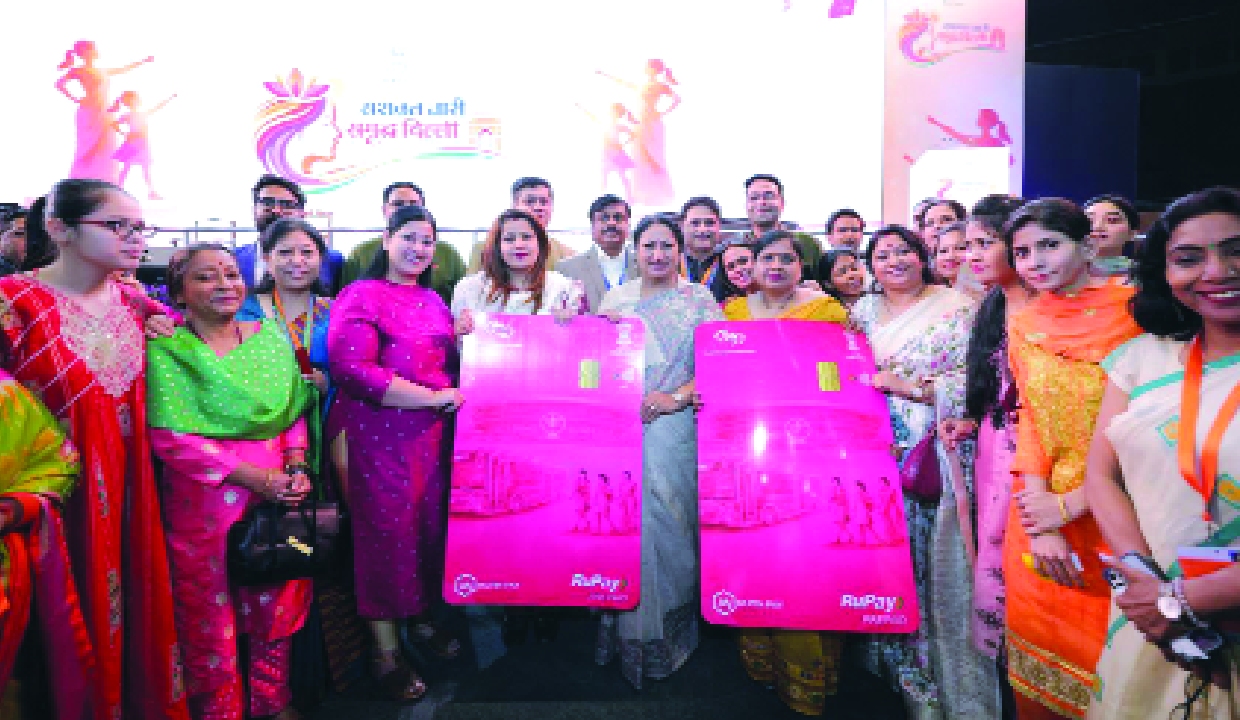
More than eight lakh women in Delhi have received the government’s Pink Saheli Smart Card, marking a major expansion of free and digital public transport access for women and transgender residents in the Capital.
Chief Minister Rekha Gupta on Tuesday said the scheme reflects the Government’s push to create a safer, technology-driven, and women-friendly transport network across Delhi. She said the growing number of registrations showed increasing trust among women in the public transport system.
The Delhi Government and the Delhi Transport Corporation are running the scheme through NCMC-enabled smart cards that allow women and transgender passengers to travel free on DTC buses using tap-and-go technology. “The Pink Saheli Smart Card is not only about free travel. It represents dignity, safety, and self-reliance for women,” the Chief Minister said.
Under the system, passengers no longer need paper tickets. Travel details are automatically recorded when the card is tapped on electronic ticketing machines installed inside buses. Officials said the card is also being designed for future integration with Metro and other transport services.
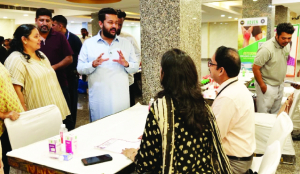
The Chief Minister said the Government has started special registration camps across residential colonies and government offices to speed up card distribution and make the process easier for applicants. According to officials, the registration process has been kept completely online to avoid delays and inconvenience. The camps are expected to continue across different parts of the city in the coming weeks.
The Chief Minister said the Government’s broader aim is to transform Delhi’s public transport system into a modern, secure, and world-class network with special emphasis on women’s mobility. “When public transport becomes safe and accessible, women automatically get better opportunities in education, employment, and independent living,” she said.
Officials said the scheme is available to all women and transgender residents of Delhi above the age of five years. The Government believes the initiative has helped increase women’s participation in public transport while reducing the financial burden of daily travel.
According to estimates cited by officials, beneficiaries may save between Rs 1,200 and Rs 2,400 every month on commuting expenses. The savings, they said, are also helping many families manage household budgets more effectively.
Transport experts say affordability and safety remain two of the biggest concerns for women commuters in large cities. The Delhi Government has been attempting to address both through technology-based initiatives and expansion of public transport services.
Officials said the smart card system improves transparency because users can maintain a digital travel record and recharge the cards online whenever required. The use of digital systems is also expected to reduce manual ticketing issues inside buses.
The Government has increasingly focused on women-centric welfare and mobility schemes over the past few months. The Pink Saheli initiative is being projected as part of a wider plan to modernise urban transport while encouraging more women to use public buses confidently.