Why India’s doctors need health systems as resilient as they are
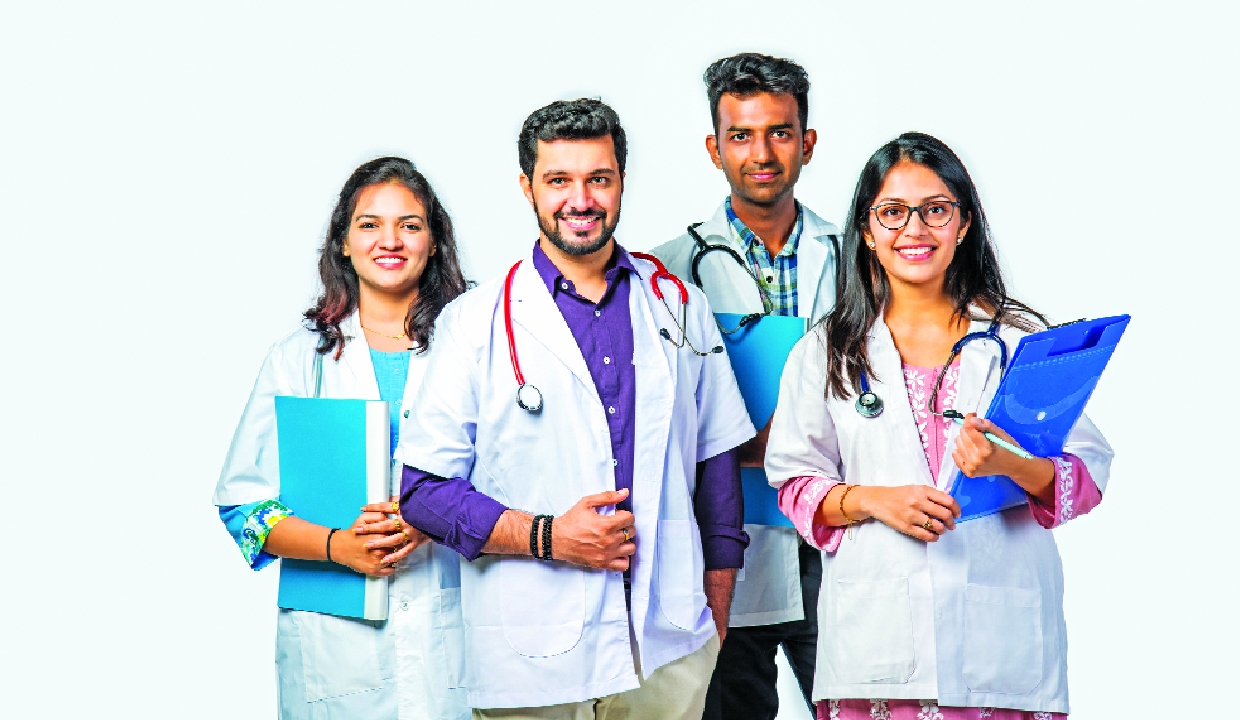
National Doctors’ Day should be more than a single day of gratitude. It is a reminder that India’s doctors are consistently the first to step forward in a crisis, often at real personal cost — and that gratitude alone will not protect the next generation of patients.
Every 1 July, India observes National Doctors’ Day, a tribute first instituted in memory of Dr Bidhan Chandra Roy - physician, statesman, and one of independent India’s most respected public figures. But the profession being honoured today looks very different from the one Dr Roy practised. Doctors are no longer confined to clinics and operating theatres; increasingly, they are the first people called upon when a cyclone flattens a coastline, a heatwave fills emergency wards, or an unfamiliar pathogen threatens to overwhelm an entire health system. As such emergencies multiply - driven by climate change, rapid urbanisation and a more interconnected world - individual skill and courage are no longer enough on their own. What India needs urgently is a health system robust enough to match the doctors who staff it.
When disaster and disease become the same emergency
The old boundary between “natural disaster” and “public health crisis” has all but disappeared. A cyclone does not just flatten homes - it contaminates water and triggers disease outbreaks in its wake. A heatwave does not just make people uncomfortable - within days it can fill wards with heatstroke and organ failure. An earthquake generates trauma cases that need intensive care long after the tremors stop; flooding brings diarrhoeal disease, leptospirosis, dengue and malaria; drought brings malnutrition and mental distress. Add rapid urbanisation, an ageing population, industrial growth, air pollution and closer human contact with wildlife, and it becomes clear that health systems can no longer plan for one emergency at a time - they must be built to absorb several at once.
More Than Rescue and Relief
Disaster management is often pictured as rescue teams and relief camps, but healthcare is arguably its most important pillar, and its work spans a far longer timeline than most people realise. Long before disaster strikes, health authorities should already be running disease surveillance, vaccination drives, risk assessments and hospital preparedness plans, and stockpiling essential medicines - an early warning system is only as useful as the machinery’s ability to act on it. Once disaster hits, hospitals must deliver trauma care, surgery, intensive care, maternal care and psychosocial support, while ensuring clean water, sanitation and nutrition in relief camps to head off a second wave of illness. The work then continues for months or years afterward, through rehabilitation, disability support, prosthetics, chronic disease management and the slow return to normal care.
The Pandemic’s Unfinished Lessons
COVID-19 remains the clearest test of this thinking in living memory. India’s response had real strengths: one of the fastest vaccine rollouts anywhere, a vaccination drive of unprecedented scale, expanding laboratory and telemedicine networks, and community surveillance systems that held the line under extraordinary pressure. Yet the cracks were just as visible - shortages of oxygen, ICU beds, trained staff and equipment, broken supply chains, and enormous strain on a workforce already stretched thin. Doctors, nurses and paramedics worked impossible hours with limited protective gear in the early months, facing an unfamiliar virus and constant psychological pressure; many were infected, and some lost their lives in the course of duty. Their commitment deserves to be remembered as one of the finest chapters in India’s public health story. But it shouldn’t obscure the harder lesson the pandemic taught: preparedness is always cheaper, in lives and in money, than scrambling to respond after the fact.
Climate change is already a hHealth emergency
What was once treated as a purely environmental concern is now recognised as one of this century’s defining health threats. Heatwaves are driving up heatstroke, dehydration, cardiac events and kidney disease, hitting outdoor workers, the elderly, children and low-income communities hardest. Floods contaminate drinking water and create breeding grounds for disease-carrying mosquitoes. Storms damage hospital infrastructure, disrupt medicine supplies and displace entire communities. Polluted air adds to the burden of lung and heart disease, while shifting ecological patterns push vector-borne diseases into regions that have never had to manage them before. Food insecurity and undernutrition, too, are increasingly climate-linked.
Hospitals that cannot afford to become casualties
A hospital is supposed to be the one place a community can rely on in a crisis, yet hospitals themselves too often become victims of disaster - brought down by structural weakness, flooding, fire or power failure. Every hospital needs to function as a genuine lifeline facility: earthquake- and flood-resistant construction, fire safety systems, backup power, on-site oxygen generation, a secure water supply, a functioning emergency operations centre and protected health-data systems. That also means having a proper Mass Casualty Incident plan - covering surge capacity, triage zones, rapid staff mobilisation, blood bank readiness, operation-theatre scheduling and coordination with police and fire services - tested through regular mock drills rather than left untouched until a real emergency arrives.
Triage deserves particular attention: prioritising patients to save the greatest number of lives with limited resources is a skill every doctor, nurse and paramedic should be formally trained in, not an improvised call made amid the chaos.
The Injuries No One Sees, and an Old Wisdom’s New Role
Physical injuries are visible immediately; psychological ones often surface only months or years later. Disasters routinely leave behind grief, anxiety, depression, post-traumatic stress and substance misuse, with children, women, the elderly, people with disabilities and emergency responders themselves at greatest risk. Every disaster response plan needs trained counsellors and psychologists built in from the outset, and healthcare workers need psychological first aid as a baseline skill, not an afterthought. There is a role here, too, for India’s traditional systems - Ayurveda, Yoga, Siddha, Unani and Naturopathy - not as substitutes for modern trauma care or surgery, but as genuine complements during recovery: nutritional support in chronic illness, and breathing and meditation practices that meaningfully ease the anxiety disasters leave behind, used alongside evidence-based medicine, never instead of it.
Building the next two decades
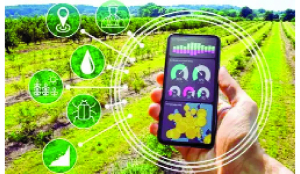
India has made real progress over the last twenty years: specialised disaster response units, stronger emergency medical services, better disease surveillance, expanding Health and Wellness Centres, and a growing digital health ecosystem that includes AI-assisted outbreak prediction, GIS mapping of vulnerable populations, satellite-linked telemedicine and drones delivering medicine to places roads cannot reach. But preparedness still receives a fraction of the attention and funding that emergency response gets. Disaster medicine, mass casualty management, infection control and climate-related health risks need to become a standard part of medical, nursing, AYUSH and paramedical education, not a specialised add-on. Every district hospital should have a current disaster plan and run regular drills. None of this works in isolation; it needs sustained partnership between government, hospitals, medical colleges, civil society and the private sector.
A tribute worth living up to
National Doctors’ Day should be more than a single day of gratitude. It is a reminder that India’s doctors are consistently the first to step forward in a crisis, often at real personal cost — and that gratitude alone will not protect the next generation of patients. The truest tribute India can pay them is to build the system around them: resilient hospitals, trained staff, working technology, and communities that know how to help themselves in the first, chaotic hours of an emergency.
As climate change accelerates and new health threats keep emerging, that kind of resilience is no longer optional. It is the only way to ensure that when the next crisis comes, India’s doctors are not fighting it with one hand tied behind their back.
Dr Satendra is former Executive Director, National Institute of Disaster Management, Government of India and Tanushree is Faculty, FDDI, Ministry of Commerce and Industry; Views presented are personal.