What to Do After Railway Booking When Train Running Status Changes
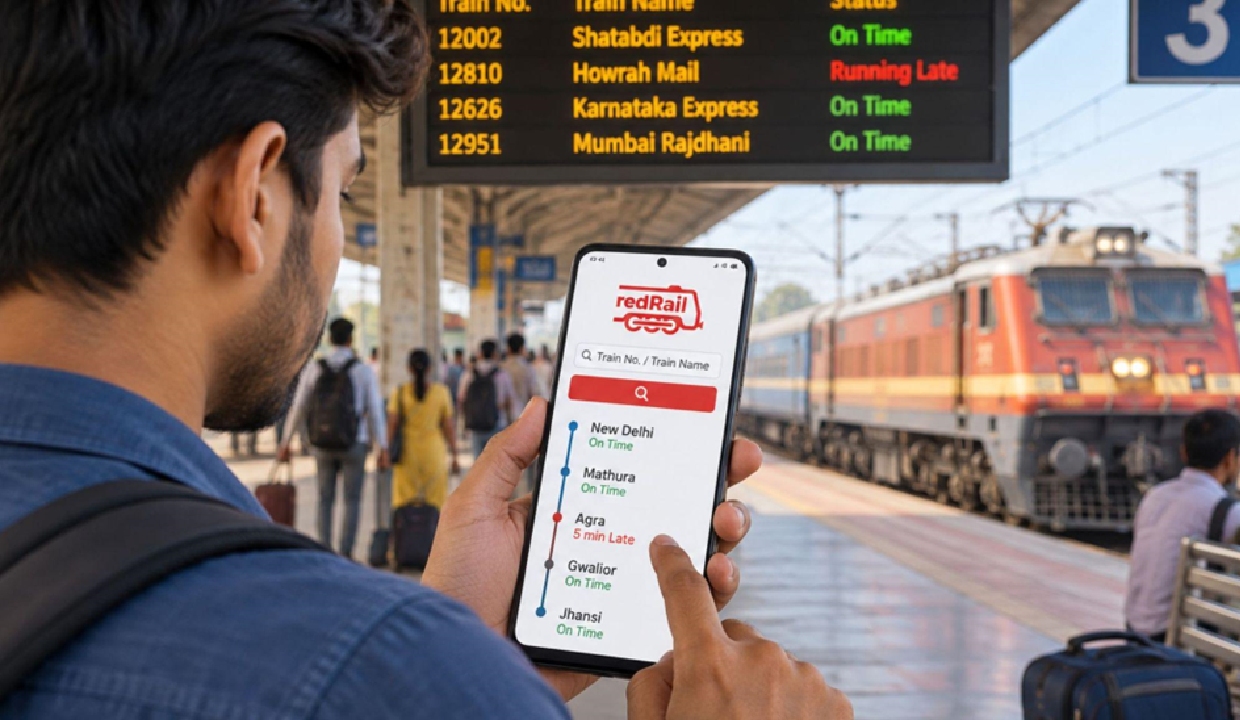
A confirmed train ticket does not always mean the journey will follow the original schedule exactly. Trains may run late, arrive earlier than expected at certain stops, follow revised timings or experience operational changes along the route.
Knowing what to check after booking helps you respond calmly rather than make rushed decisions on the travel day. A few timely checks can help you reach the right station, follow revised timings and keep the rest of your journey organised.
Check the Updated Train Running Status
The first step after noticing a schedule change is to look at the latest available journey information. The train running status can help you understand whether the train is delayed, running close to schedule or affected by changes along its route.
Focus on:
- The train’s latest reported location
- Revised arrival and departure information
- Updates for your boarding station
- Changes affecting later stations on the route
Check again closer to departure because the situation may change as the train continues its journey.
Confirm the New Departure or Arrival Time
A delay at one station can influence timings further along the route. Instead of relying only on the original ticket schedule, check the latest estimated timing for the station that matters to your journey. After completing a railway booking, keep the booking details accessible so you can match revised timings with the correct train and travel date.
Remember to check:
- Your scheduled departure point
- The latest expected departure time
- Expected arrival at your destination
- Any connecting travel arranged afterward
This approach reduces the chance of acting on outdated information.
Plan for Delays or Schedule Changes
A changed train schedule can affect more than the railway journey itself. Pick-ups, hotel check-ins, local transport and onwards connections may also need adjustment. It is therefore useful to look at the wider travel plan once a significant change appears.
You may need to:
- Inform anyone waiting at your destination
- Adjust local transport arrangements
- Reconsider tightly timed onwards connections
- Keep extra time available for reaching accommodation
- Carry food, water and essential medicines where appropriate
Small adjustments made early are usually easier than dealing with several changes after reaching the station.
Check Your Boarding Station
Passengers sometimes focus so much on the delay that they overlook another important detail: the boarding station. Confirm that the train is still expected to serve your selected station and check whether any operational update affects its route.
Before leaving, review:
- The exact boarding station on your ticket
- The station name and location
- Whether the train is expected to stop there
- Any available route-related update
- Your planned travel time to the station
This is particularly useful in cities with several railway stations, where similarly named locations can easily confuse.
Keep Your Ticket and PNR Details Handy
Your ticket and PNR contain essential information that you may need to check journey updates. Keeping them easily accessible saves time, especially when you are travelling with family members or carrying luggage.
Keep ready:
- Your ticket or electronic booking confirmation
- PNR details
- Train name and number
- Travel date
- Boarding and destination stations
- Passenger details
Saving the important information on your phone can be convenient, but keeping it accessible offline is also sensible in case mobile connectivity becomes weak around the station or during the journey.
Adjust Your Travel Plans if Needed
Not every change requires a complete revision of your day. A small delay may simply mean leaving home slightly later, while a longer disruption could affect local transfers, meetings or accommodation arrangements.
Consider adjusting:
- Your journey to the railway station
- Pick-up arrangements at the destination
- Hotel or accommodation arrival plans
- Meals and other travel essentials
- Connecting bus, taxi or other transport bookings
Base these decisions on the latest available information rather than assumptions. Keeping some flexibility around railway travel can make schedule changes considerably easier to manage.
Reach the Station According to the Latest Update
A delayed train does not necessarily mean passengers should arrive at the station at the last possible moment. Running information can change again, and a train may recover some time during its journey.
A sensible approach is to:
- Check the latest update before leaving
- Allow enough time to reach the station comfortably
- Consider local traffic and access to the station
- Avoid depending on a single earlier delay update
- Keep checking important notifications during the journey
Arriving with a reasonable time margin helps prevent unnecessary rushing if the situation changes.
Check for Platform or Route Changes
Platform information may become available closer to departure and can occasionally change because of operational requirements. Once at the station, continue checking reliable railway information and station announcements instead of relying only on an earlier update.
Pay attention to:
- Platform displays
- Public announcements
- Updated departure information
- Route-related notices
- Coach position information where available
Move towards the correct platform with enough time to manage luggage comfortably. Staying attentive until boarding is important because journey information can continue to change even after you have reached the station.
Conclusion
Changes in a train’s running schedule do not have to make the entire journey stressful. Regularly checking updated timings, confirming the boarding station, keeping the ticket and PNR accessible and allowing flexibility for onwards arrangements can make a real difference. It also helps to continue watching station announcements until boarding is complete. For passengers managing railway journeys online, redBus can support the booking process, while these practical habits help keep travel organised when schedules change.