US, Iran hold talks in Switzerland
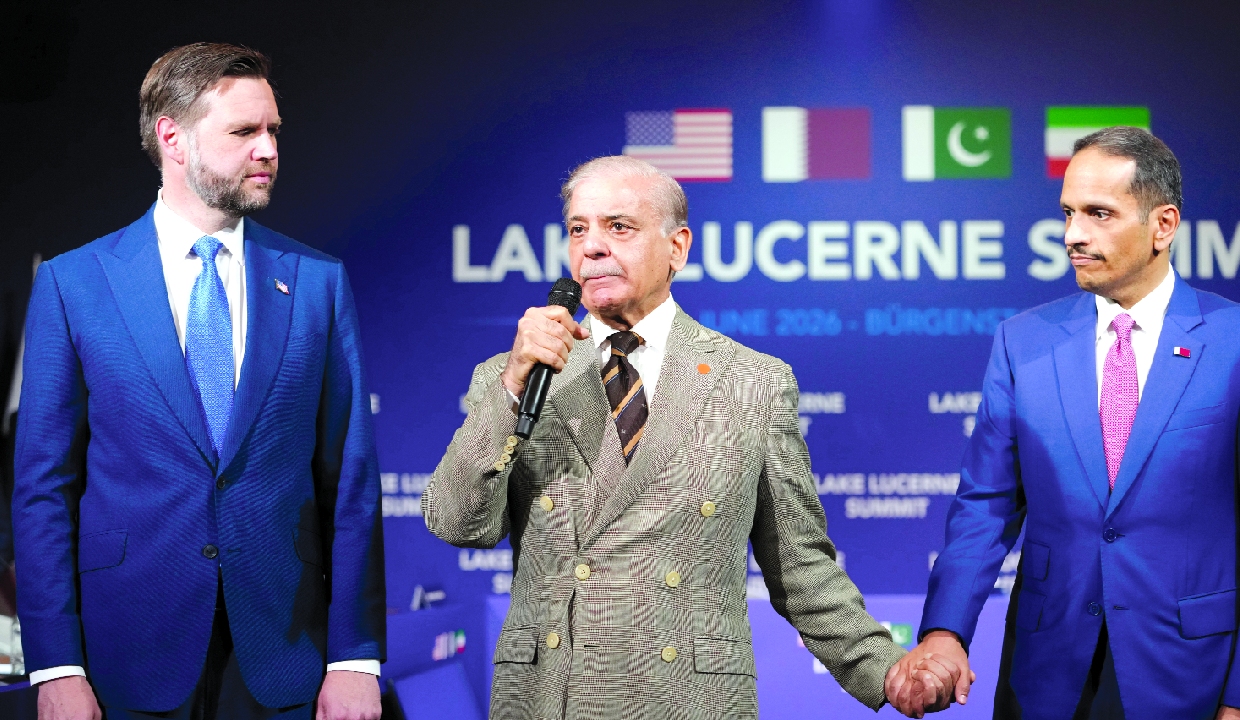
US and Iranian negotiators were in Switzerland on Sunday for talks on their interim agreement to end the Iran war. Pakistani and Qatari mediators were also there for the technical-level discussions on resolving the conflict that the US and Israel began in late February.
The US team, led by Vice President JD Vance, includes Jared Kushner and Steve Witkoff. They are meeting with Iranian negotiators led by Parliament Speaker Mohammad Bagher Ghalibaf and Foreign Minister Abbas Araghchi. On the eve of talks, Tehran said it closed the Strait of Hormuz again over Israel’s ongoing military campaign in Lebanon. The interim deal is meant to stop fighting on all fronts, including Lebanon.
US President Donald Trump has threatened to impose American tariffs on the Strait if a final deal with Iran isn’t reached in 60 days. The interim agreement calls for toll-free travel for 60 days in the waterway that is vital for the world’s supply of oil, natural gas and related goods like fertiliser.
Iranian State television says the Iranian and Qatari delegations are having discussions after the four-way negotiations, including the US and Pakistan.
Israeli President Isaac Herzog told Fox News that a peace agreement between Israel and Lebanon cannot be reached if Iran is “trying to squeeze itself into this conflict” via the Iranian-backed Hezbollah militant group.
Herzog’s position is largely ceremonial. He said Israel and Lebanon will hold another round of talks in Washington on Tuesday. Hezbollah is not a party to the talks.
Iran wants any agreement with the US to include peace on all fronts, including Lebanon. It has been said that Lebanon will be a focus of today’s talks in Switzerland.
Iranian President Masoud Pezeshkian has expressed concern that some Iranians could openly protest again. He said in a speech reported by semiofficial news outlets that “what I fear is that we may fail to satisfy the people, and that they may come out into the streets to protest,” which could affect the country’s unity during negotiations with the US.
Iran saw nationwide protests weeks before the war began as unrest over the weak economy turned into anti-government anger. Thousands of people were killed in the crackdown that followed, the bloodiest since Iran’s 1979 Islamic Revolution. For a while, the US and Israel mentioned regime change in Iran among their war goals.
US Energy Secretary Chris Wright says 67 ships went through the Strait of Hormuz in the last 24 hours, similar to traffic before the war began in terms of oil and oil products.
Iran’s joint military command on Saturday said it had closed the strait over Israel’s military campaign in Lebanon against the Iranian-backed Hezbollah militant group. The US disputed that announcement.
Wright also told Fox News that Iran has not yet “demined” the strait’s central shipping channel, but the US has opened a separate channel to the south and has been escorting ships through it.
Wright acknowledged that some commercial shippers still have safety concerns.
Israel’s military stated that direct talks began around that time. Its chief of staff, Lt Gen Eyal Zamir, was speaking from southern Lebanon. He said, “The ceasefire that has been declared is fragile, and we must maintain a high level of readiness for the renewal of combat operations.” He said the military continues to defend against the Iranian-backed Hezbollah and its efforts to rebuild.
Trump has warned in a post on social media that Iran needs to stop Hezbollah from “causing trouble.”
“If they don’t, we’ll hit Iran very hard again, just like we did last week, only harder!!!” Trump wrote from Camp David, where he is spending the weekend.