Talks on water crises, delimitation dominate southern council meet
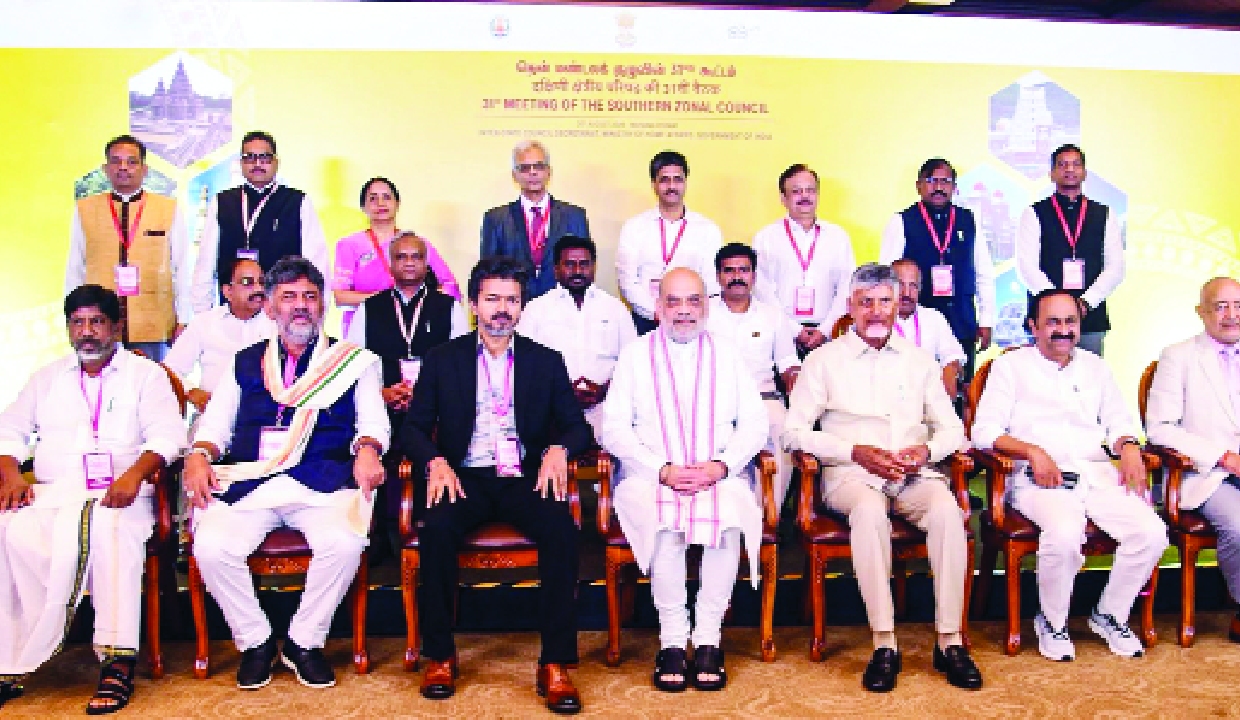
In a high-stakes session underscoring the immediate need for coordinated action, Union Home Minister Amit Shah on Thursday chaired the 31st Southern Zonal Council meeting near Mahabalipuram in Tamil Nadu. The session focused on the urgent need for coordinated action. Chief ministers and senior officials from the southern states discussed long-standing crises that need quick solutions, including inter-state water disputes that threaten farmers’ livelihoods.
The meeting addressed concerns about how parliamentary delimitation could affect the region’s political influence. Leaders also discussed delays in justice for crimes against women and children, as well as ongoing funding problems that could harm the South’s economy.
Education policy bottlenecks, critical infrastructure gaps and unresolved issues from the Andhra Pradesh Reorganisation Act. The meeting also addressed problems in education policy, infrastructure gaps, and unresolved issues from the Andhra Pradesh Reorganisation Act. Held at Taj Fisherman’s Cove in Kovalam and hosted by the Tamil Nadu Government, the event brought together leaders who agreed these problems need immediate attention.
The Southern Zonal Council, created in 1956, is the main advisory group for Andhra Pradesh, Karnataka, Kerala, Tamil Nadu, Telangana, and the Union Territories of Puducherry, Andaman and Nicobar Islands, and Lakshadweep. Amit Shah chaired the meeting, with Tamil Nadu Chief Minister C Joseph Vijay as vice-chairman.
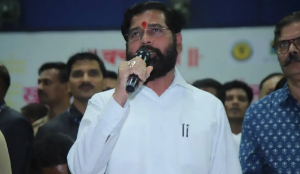
Karnataka Chief Minister DK Shivakumar, Andhra Pradesh Chief Minister N Chandrababu Naidu, and Kerala Chief Minister VD Satheesan attended in person.
Telangana was represented by Deputy Chief Minister Mallu Bhatti Vikramarka, as Chief Minister A Revanth Reddy was abroad. Senior ministers and officials from both the states and the Central Government also took part evening, at the venue, the Tamil Nadu chief minister formally welcomed the Union Home Minister amid the gravity of the agenda. Water security occupied centre stage as leaders pressed for rapid movement on disputes that continue to fuel tension and uncertainty.
The Cauvery water-sharing agreement between Karnataka and Tamil Nadu, and the proposed Mekedatu dam, were highlighted as urgent issues. Shivakumar said the project would benefit farmers in both states and Puducherry, and called for joint action soon.
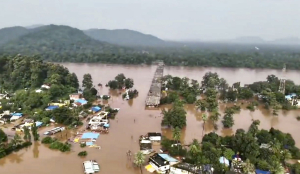
Leaders also raised safety and operational concerns about the Mullaperiyar dam and unresolved Krishna River issues, saying they need quick technical and political solutions.
Naidu stressed the importance of accelerating the Godavari-Cauvery river-linking plan to secure additional water and prevent future shortages in the South. Tamil Nadu officials repeated the need to protect existing rights and improve daily coordination between states. The issue of delimitation was also seen as urgent.
Shivakumar asked the council to recommend that the Union Government use the 1971 Census as the basis for redrawing constituencies, maintain the Lok Sabha at 543 seats for the next 25 years, and include women’s reservation in this plan. Southern leaders warned that using newer population data could weaken the region’s voice in Parliament and called for clear protections.
Participants said Fast Track Special Courts must be improved to speed up investigations and trials for rape and related crimes against women and children. They discussed gaps in how these courts work and called for more support so they can operate fully.
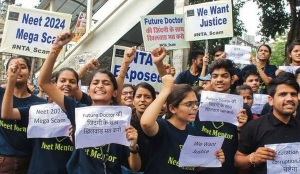
States asked for a larger share of resources, citing the South’s large contribution to national GDP and warning that insufficient funding could slow growth and undermine public services. Education issues were also discussed, with Tamil Nadu asking for more flexibility in medical admissions beyond the National Eligibility cum Entrance Test and pushing for a quick solution.
Leaders also looked at urgent needs in industrial investment, logistics, power grid connections, disaster readiness, and tourism infrastructure. They noted that unresolved issues arising from the Andhra Pradesh Reorganisation Act and border coordination between Tamil Nadu and Karnataka require prompt administrative action.
During the four-hour meeting, leaders from both ruling and opposition states agreed that urgent action is needed. Although the council’s recommendations are advisory, everyone recognised that unresolved issues over water, representation, and resources could harm regional stability and national progress. Officials said follow-up actions would start right away.