UN turns 80 in 2025 amid global crises, India says ready to play greater role
The UN marked its 80th anniversary in 2025 amid global conflicts, financial crisis, and US President Donald Trump’s criticism, as India urged the world body to focus on “leadership and hope” and expressed willingness to take on a greater role. The conflicts in Ukraine and Gaza, along with several others around the world from Sudan to Myanmar, raged unabated in 2025, yet again highlighting the ineptitude of the UN and its powerful, but polarised, Security Council in addressing global challenges.
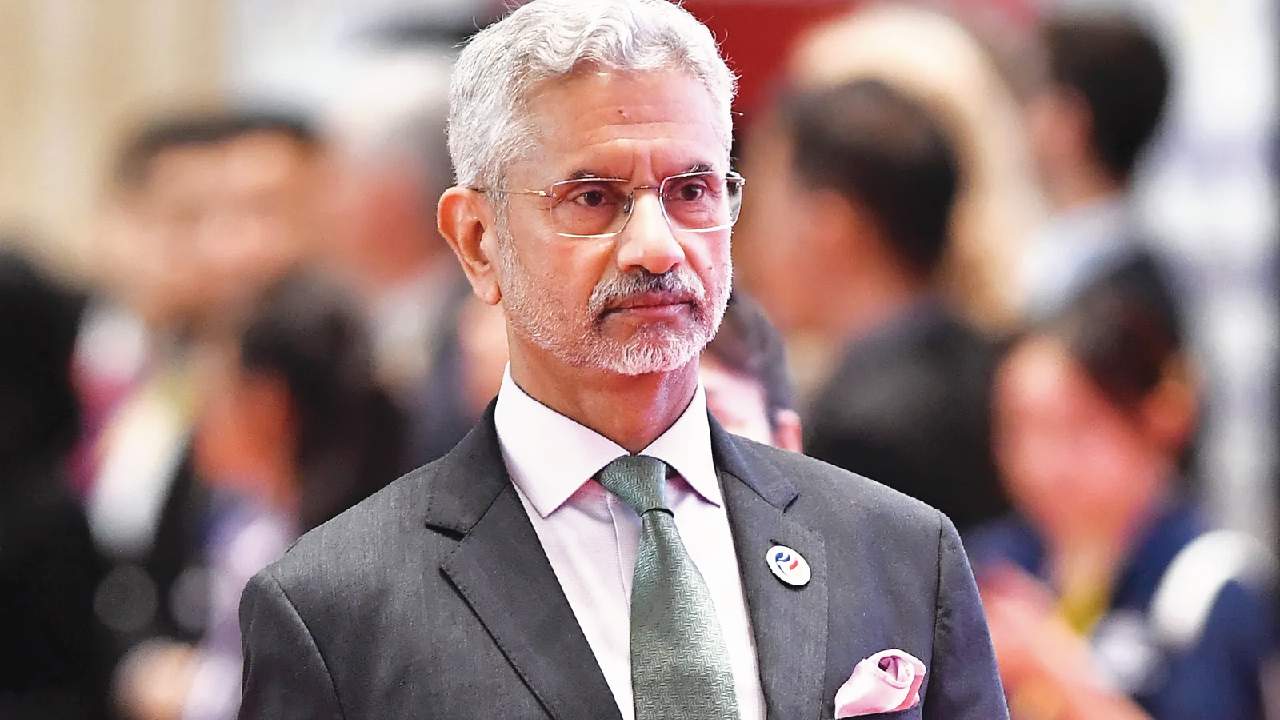
As nations continue to grapple with humanitarian emergencies, climate chaos and economic inequality, questions are raised over the relevance of the UN and whether the 80-year-old organisation, founded in 1945, has solutions for the problems of a world in flux in the 21st century. Against this backdrop, India gave a clarion call for reformed multilateralism. Addressing world leaders from the UN General Assembly podium in September, External Affairs Minister S Jaishankar stressed that an “objective report card” will show that the UN is in a state of crisis.
“When peace is under threat from conflicts, when development is derailed by lack of resources, when human rights are violated by terrorism, the UN remains gridlocked. As its ability to forge common ground diminishes, belief in multilateralism also recedes,” he said. India categorically told the world that central to the erosion of the UN’s credibility has been resistance to reform, and Delhi stands ready to assume greater responsibilities in an expanded UNSC, which, with its current 15 members, is not representative of the world of 2025. “Both permanent and non-permanent membership of the Council must be expanded. A reformed Council must be truly representative.
And India stands ready to assume greater responsibilities,” Jaishankar said. “The ninth decade of the UN must be one of leadership and hope. Bharat will do its fair share, and more,” he said. In the fight against terrorism, India continued to lead from the front in combating the scourge. India exercised its right to defend its people against terrorism through Operation Sindoor that targeted terror infrastructure in Pakistan and Pakistan-occupied Kashmir in the wake of the Pahalgam terror attack in April perpetrated by The Resistance Front. At a time when Pakistan was sitting in the UNSC as a non-permanent member, the organisation issued a statement condemning in the strongest terms the Pahalgam attack.