Trump Says India Pledged 'Zero-Tariff Barriers'
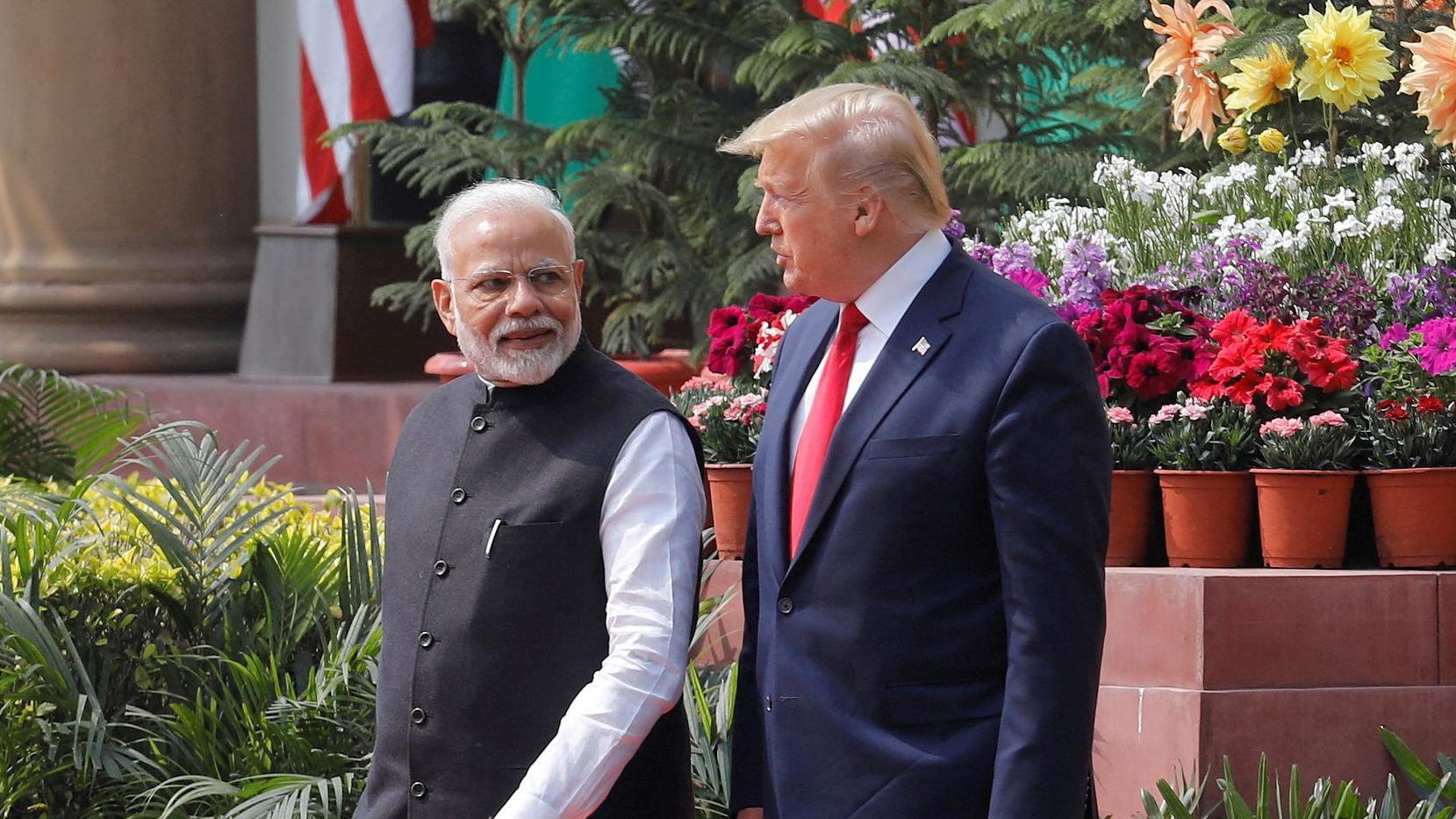
Post declaration of the much awaited Indo-US trade deal, President Donald Trump’s claim that India has agreed to cut tariff and non-tariff barriers to “zero”, there is no official confirmation from New Delhi that such sweeping concessions have been made.
In trade terms, zero tariffs would mean no import duties, while zero non-tariff barriers would imply removal of regulatory hurdles such as quotas, licensing norms, standards, and certification requirements. Such a move, across all sectors, would be unprecedented for India and politically untenable—especially in agriculture, which India has consistently shielded in trade negotiations.
Most analysts believe Trump’s language reflects an in-principle political commitment, not a legally binding or comprehensive agreement. It likely points to selective tariff reductions or a phased approach under a proposed first tranche of an India-US Free Trade Agreement, rather than blanket liberalisation.
The biggest red flag is agriculture. India has repeatedly resisted opening sectors like dairy and soybeans to US imports, and New Delhi has so far not confirmed any policy shift. Trump’s remarks, therefore, raise questions about whether the US is overstating concessions or attempting to shape the narrative ahead of formal negotiations.
Similarly, the claim that India will buy $500 billion worth of US goods lacks clarity. India’s current annual imports from the US are under $50 billion, making the figure look more aspirational than enforceable.
Until a joint statement, negotiated text, or timeline is released, the announcement should be seen as a political signal, not a final trade deal.