Bangladesh ex-PM sentenced for graft
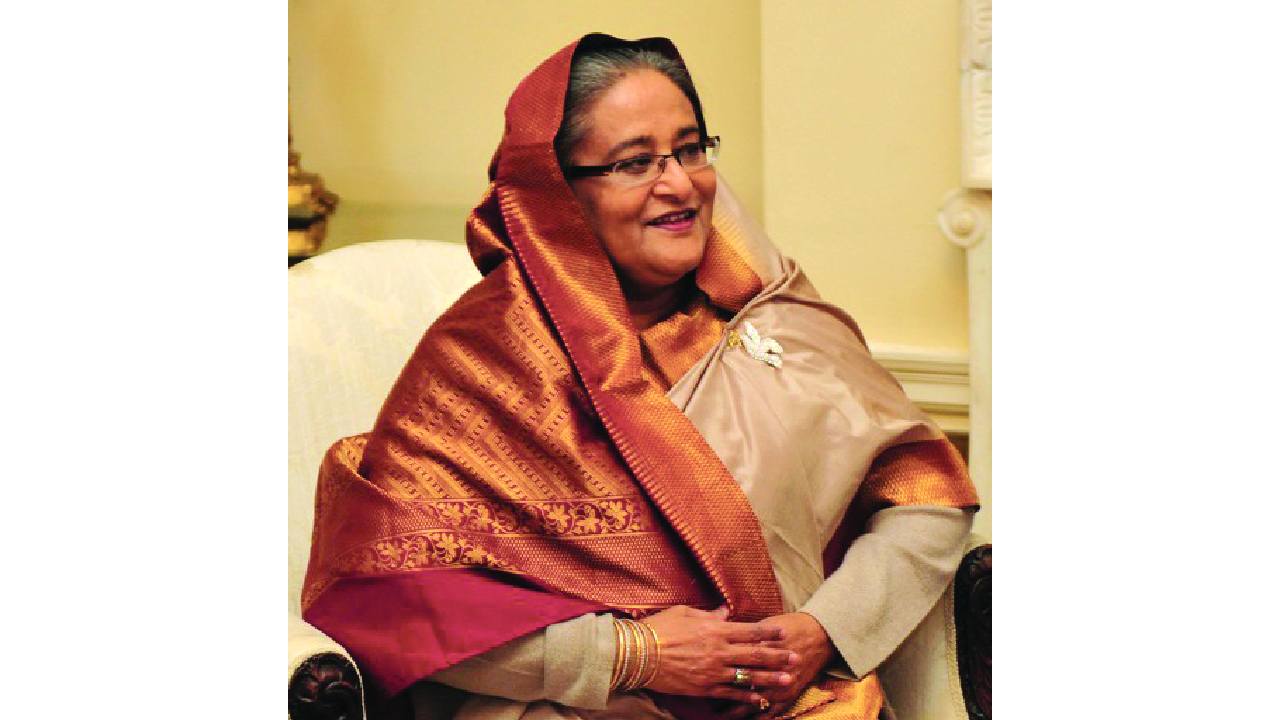
A special court in Bangladesh on Monday sentenced former Prime Minister Sheikh Hasina to 10 years of rigorous imprisonment in two cases linked to alleged misuse of authority and corruption in allocation of Government housing plots.
The verdict was delivered by Dhaka’s Special Judge Robiul Alam, who found the 79-year-old ex-PM guilty of exerting official influence in the distribution of residential land under the Rajuk New Town Project in Purbachal, located on the outskirts of the capital. The court held that plots were unlawfully allotted to individuals close to Hasina, including members of her extended family.
Among those named in the case was Tulip Siddiq, a British Labour Party lawmaker and Hasina’s niece, along with her siblings Azaman Siddiq and Radwan Mujib Siddiq Bobby. While Siddiq herself was not present, the court sentenced her sister and brother to seven years of rigorous imprisonment each. The trial and sentencing were conducted in absentia, as Hasina and several co-accused were not present in court.
Of the 16 individuals charged, only one — Khurshid Alam, a senior official of Rajuk, the State-run urban development authority — appeared in person during the proceedings. He was among several officials handed down prison terms of five years, including a former junior housing minister, a former ministry secretary, a former Rajuk chairman, and other officials associated with the project.Delivering the verdict, Judge Alam stated that the legal process had not been hindered by the physical absence of the accused. “The trial of the accused was not obstructed regardless of where they were located,” he said. Reacting strongly to the ruling, Hasina’s now-dissolved Awami League dismissed the verdicts as politically motivated, describing the cases as “fabricated” and “malicious.”
The party accused the interim Government led by Nobel laureate Muhammad Yunus of orchestrating false charges against its former leader.
Tulip Siddiq also raised serious doubts about the credibility of the legal proceedings, describing the process as fundamentally defective. In remarks to the media, she said Bangladeshi authorities had never formally reached out to her. According to Siddiq, she received no legal notice, charge sheet, or official communication of any kind. She added that she has engaged lawyers in both the United Kingdom and Bangladesh and likened the situation to a surreal and nightmarish ordeal.
The latest convictions come amid a sweeping legal campaign launched after Hasina’s Government was ousted on August 5, 2024, following weeks of violent, student-led protests known as the July Uprising. Since then, the interim administration has initiated multiple criminal cases against the former prime minister, her family members, and close associates.
Earlier, a special tribunal sentenced Hasina - currently living in exile in India - to death on charges of crimes against humanity, linked to her Government’s crackdown on the protests. In another case filed by the Anti-Corruption Commission, a court had previously handed her a combined 21-year prison sentence, while her children Sajeeb Wazed Joy and Saima Wazed Putul were each sentenced to five years in a separate land allocation case.
Bangladesh is preparing for its general election on February 12, with security measures significantly tightened across the country. Political parties have stepped up their activities, and the nation remains deeply engaged in an intense political contest.
Former prime minister Sheikh Hasina is currently living in exile in India and has been launching sharp virtual attacks on the Bangladesh Nationalist Party (BNP) and the interim administration led by Muhammad Yunus. Leaders of the Awami League have also been actively criticising the Dhaka-based regime from India and other parts of the world.