Trump claims Gulf allies urged him to halt Iran strikes
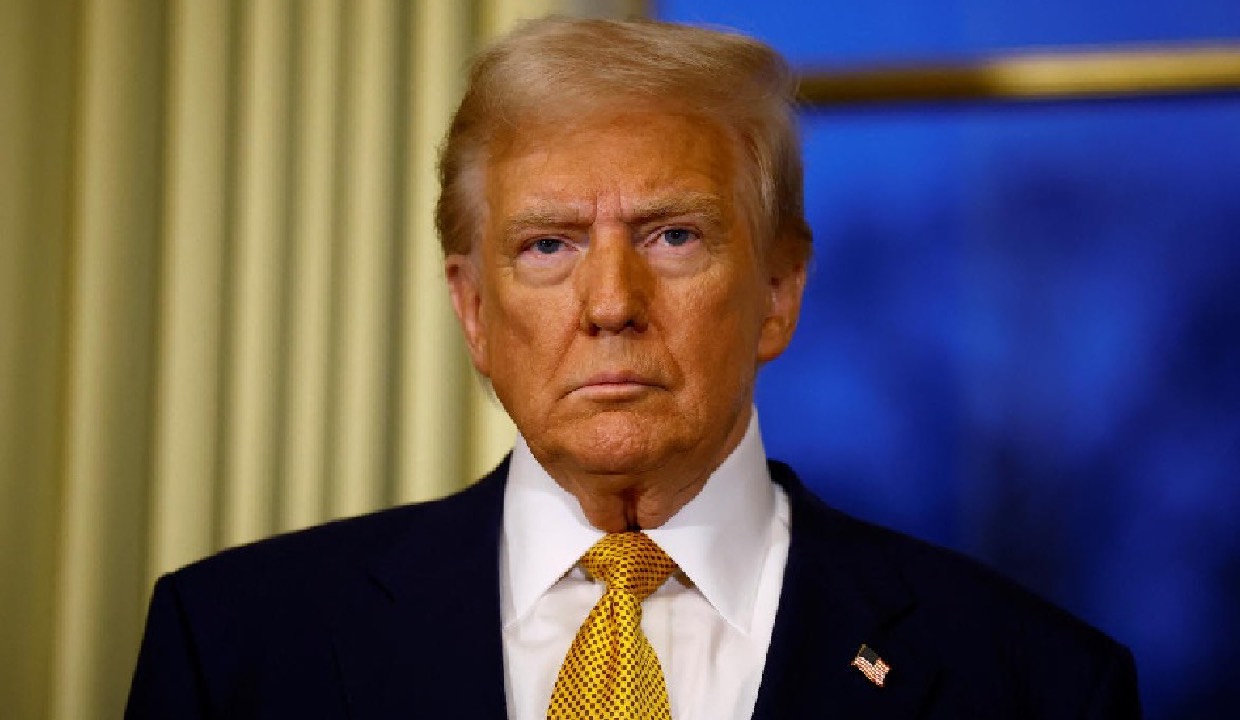
US President Donald Trump said on Sunday, 3rd August that he decided against ordering fresh strikes on Iran after Gulf allies, including Qatar, Saudi Arabia and the United Arab Emirates, urged him to give diplomacy more time.
Trump said a plan was in place for US forces to carry out what he described as the "biggest attack since World War II", but he scrapped it following discussions with key Gulf leaders, including Saudi Crown Prince Mohammed bin Salman, and requests from unnamed Iranian officials.
"I said to the crown prince, 'What would you rather do? Would you rather us do this or not?'" Trump told reporters aboard Air Force One. "They said we would much prefer a deal as opposed to an attack, because you don't know where these attacks lead."
Trump and the Saudi crown prince spoke by phone on Saturday, shortly before the US president said regional allies had reached the "perimeters" of a potential deal to end the five-month-old war.
The decision marked another shift in Trump's position after he said a day earlier that he was "losing faith" in negotiations with Iran and warned that the US military "will be hitting them very hard".
Trump said the emerging agreement would involve reopening the Strait of Hormuz, a crucial global energy route, and addressing US concerns over Iran's nuclear programme.
However, Iran's Foreign Ministry spokesperson Esmail Baghaei said the strait would "in no way return to the status it was before February 28", when the war began. He said Tehran was discussing shipping through the waterway with Oman but that there were currently no talks on reopening it.
Trump said he expected negotiations to resume "tomorrow afternoon", though he did not provide details about who would participate.
A regional official involved in mediation efforts said the latest proposal would bring the US and Iran back to negotiations, with discussions continuing on unresolved issues. The proposal also calls for reopening the Strait of Hormuz and halting attacks across the region, including those by Iranian-backed militias in Iraq against Gulf states and Jordan.
In return, the US would end its naval blockade of Iran and allow Tehran to resume oil exports under the tentative ceasefire arrangement, the official said.
No agreement has been reached yet, and mediation efforts remain underway, the official said, speaking on condition of anonymity.
Trump also said Israel had agreed to his commitment to end the war by implementing a ceasefire deal reached in June, although Israel did not immediately comment publicly.
Saudi officials have expressed concern that any escalation could prompt Iran to retaliate against US allies in the Gulf, potentially affecting the global economy.
The Saudi crown prince reportedly told Trump that a renewed US bombardment could lead to attacks on regional allies. Saudi Arabia, the UAE and Qatar are considered capable of defending themselves against potential Iranian strikes, while Kuwait could be more vulnerable to attacks by Iranian-backed militias in Iraq.
Trump said his conversation with the Saudi leader played a significant role in his decision to call off the planned strikes.
"It would have been disastrous for them. And they didn't want us to do it," Trump said. "And frankly, Saudi Arabia didn't want it either. They thought that a deal is imminent."