Trouble erupts widely in PoK: From flour bills to freedom calls
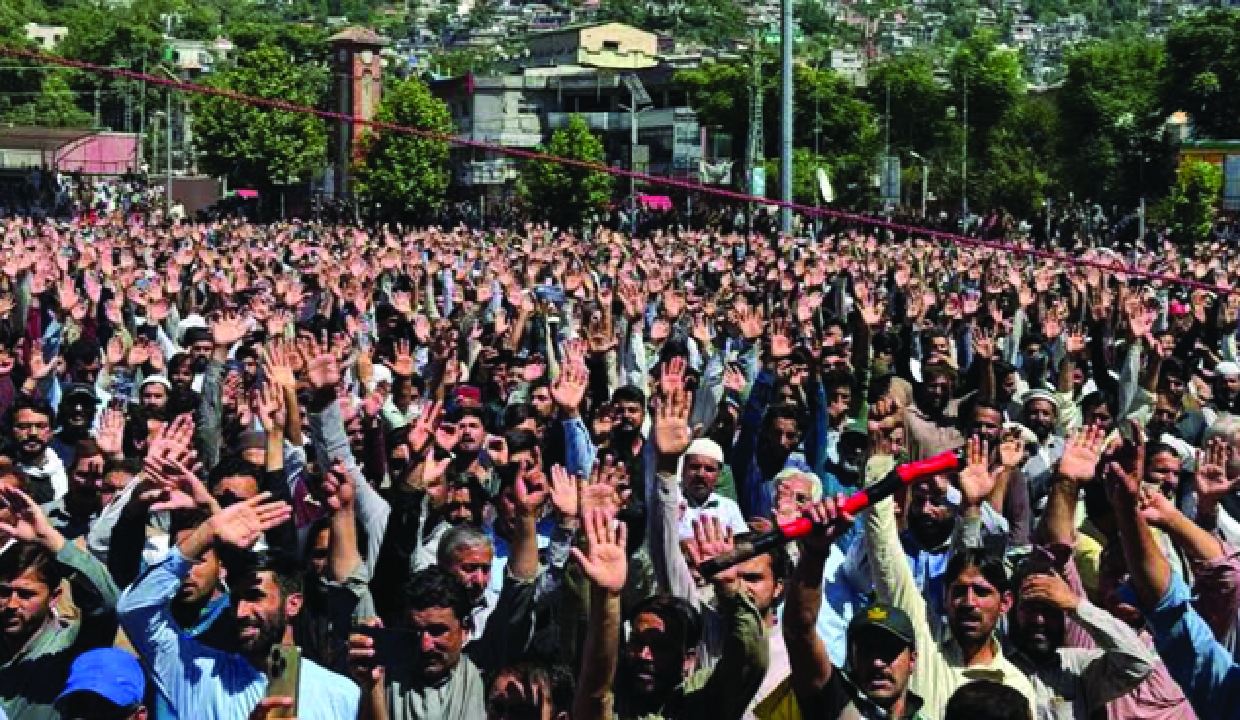
Pakistan-occupied Kashmir is facing its worst unrest in years. Markets are closed, roads are blocked, and security forces are stationed throughout Muzaffarabad, Rawalakot, Mirpur, Bhimber, and Kotli. What started as frustration over electricity and flour prices has now become a wider challenge to Islamabad’s authority.
In early June of this year, the Joint Awami Action Committee (JAAC), which includes traders, students, lawyers, and civil society members, called for a region-wide strike. They demanded subsidised flour and electricity, an end to power cuts, the release of detained activists, and political reforms.
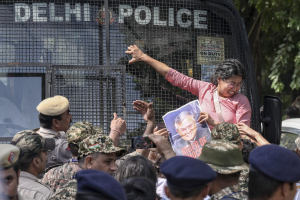
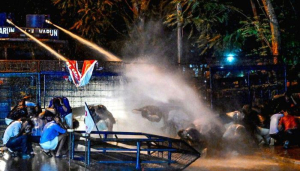
The Tensions rose when authorities banned JAAC under anti-terror laws and arrested several leaders, which sparked even more protests. Thousands of people took to the streets. At Neelum Bridge in Muzaffarabad, clashes became deadly. Reports say 11 people died, including seven civilians and four police officers, and dozens were injured. Rangers reportedly opened fire, leaving at least 8 people in critical condition. Tear gas, baton charges, internet shutdowns, and a communication blackout followed. JAAC responded by calling for peaceful marches with white flags, urging 50,000 people per district to join.
Protesters say rising prices were only the beginning. Pakistan-occupied Jammu and Kashmir (PoJK) has faced economic stagnation for years. There is little industry, few jobs, and the region relies on federal subsidies. Roads, hospitals, and schools are still underdeveloped. Meanwhile, hydropower projects supply electricity to Pakistan’s national grid, but locals still face 12-16-hour power cuts and high tariffs.
Residents in Rawalakot highlighted a contradiction: PoJK produces about 5,000 MW of electricity but receives only about 500 MW for local use. They also claim that forests, minerals, and rivers are exploited without any reinvestment in the region.
The region’s unclear constitutional status makes things worse. Since PoJK is not a full province, major development and budget decisions are made in Islamabad rather than by local representatives. This has led to feelings of political marginalisation, which activists say drives every protest.
This time, the protests feel different. In addition to demanding rights, some protesters have been seen waving Indian flags and calling for a merger with India. JAAC leaders and other activists have also publicly asked India for food and medicine, saying there are shortages during the shutdown.
India’s Ministry of External Affairs (MEA) condemned what it described as “severe police brutality” and called for the world to pay attention to human rights in PoK. Over 50 United Kingdom (UK) MPs also wrote to their Foreign Secretary about the crackdown and the communication blackout. The administration says the measures are to maintain law and order. Officials have indicated a willingness to discuss “some issues” but have not rolled back the JAAC. With local elections set for July 27, 2026, the situation is even more tense. The ban on JAAC has not stopped the protests; instead, it has spread them out. Student groups such as the Jammu and Kashmir National Students’ Federation have held rallies demanding “freedom from Pakistan,” while traders keep pushing for economic changes.
Security analysts say three fault lines are now exposed: “economic survival, political representation, and identity”. For years, dissent in PoJK was managed with subsidies and limited autonomy. This time, subsidies aren’t enough, and autonomy is the demand, making the thesis clear. The situation is still changing. If Islamabad only responds with security measures, the protests could grow. Right now, PoJK’s 4.39 million people are seeing if ongoing, peaceful protests can bring real change. The outcome will affect not only daily life in the region but also how Pakistan talks about Kashmir.