Tribunal Halts Byju’s asset sale as allegations mount against resolution professional
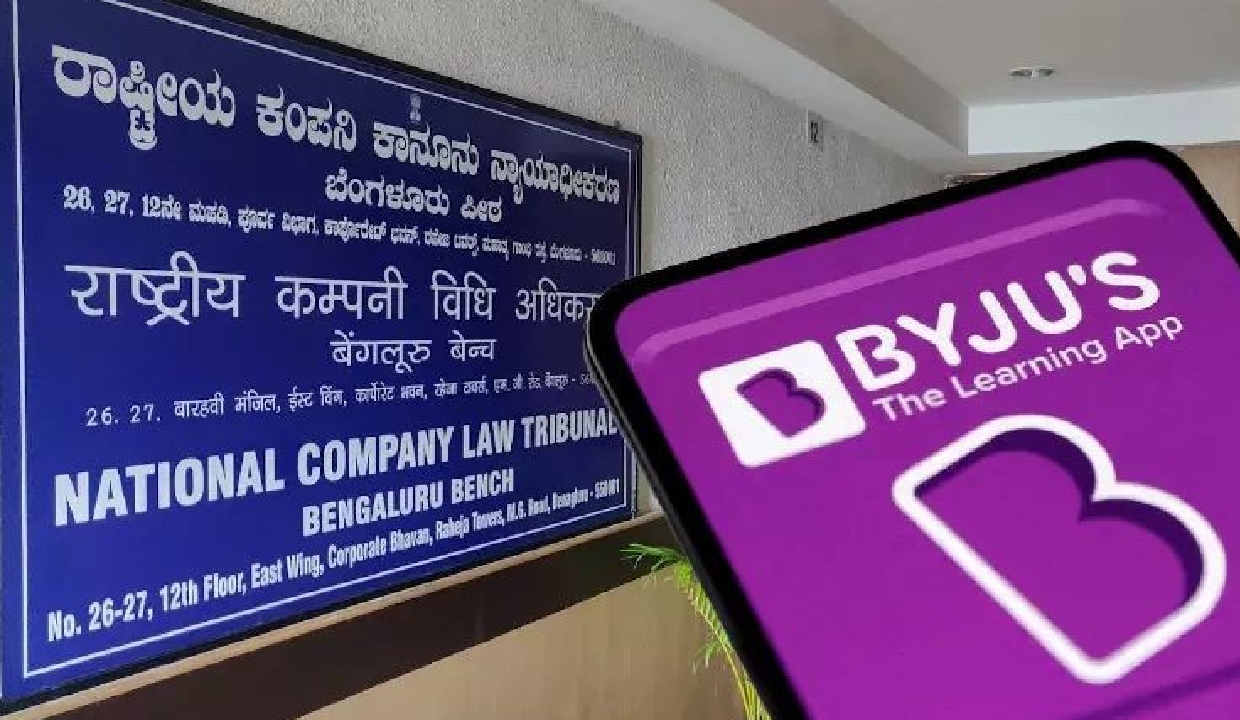
The National Company Law Tribunal’s (NCLT) Bengaluru Bench has frozen assets auctioned during the insolvency proceedings of Think and Learn Private Limited (TLPL), the parent company of Byju’s, after allegations that assets worth around Rs 150 crore were sold for approximately Rs 16 crore in a four-day auction.
In its 31 August 2026 order, the Tribunal directed Resolution Professional (RP) Shailendra Ajmera of EY and the successful auction bidder, Comprint Tech Solutions (I) Private Limited, to maintain status quo over all articles sold under the 2 August auction notice. The assets are to be preserved in their existing condition until the matter is heard again on 21 September 2026.
The proceedings have brought fresh scrutiny to the conduct of the insolvency process and could complicate the narrative surrounding Byju Raveendran, who has faced intense criticism since the collapse of his education-technology empire.
Appearing for the Resolution Professional of Byju’s K3 Education Private Limited, advocate Manasi Kumar alleged before the Tribunal that her client was facing “a complete state of asset deprivation” and accused the RP of TLPL of fraudulently depriving the company of assets required for its own resolution process.
A memorandum filed before the Tribunal alleged that Mr. Ajmera had suppressed an asset list dated 17 December 2024, describing it as a material document and arguing that withholding it amounted to fraud.
The suspended directors also challenged the manner in which the auction was conducted. Senior Advocate Joy Saha argued that the sale, completed within four days, raised serious questions about compliance with insolvency regulations.
Under Regulation 29 of the applicable insolvency regulations, he argued, an RP must have a reasoned basis for concluding that a sale is necessary for better realisation of value. He also cited Section 18(1)(f) of the Insolvency and Bankruptcy Code, which limits the RP’s control to assets belonging to the corporate debtor and excludes third-party assets.
The Tribunal appeared concerned about ownership. Its order observed that even if some auctioned articles belonged to TLPL, “the ownership of rest of the articles remains in haze.” It held that preservation of the assets was necessary because a change in their condition or location could make subsequent relief difficult.
Comprint has also been brought into the proceedings. The Tribunal directed the buyer to submit a detailed inventory of the purchased goods, their storage address and photographs within one week of receiving the order.
Mr. Ajmera’s side maintains that the auctioned goods belonged to TLPL, that the sale was approved by the Committee of Creditors and that Byju’s K3 has not established ownership over the assets.
The Tribunal has not yet ruled on these competing claims. Its interim order, however, places the asset-sale process under heightened judicial scrutiny and prevents further movement or alteration of the disputed goods.
The proceedings follow a 28 August 2026 Karnataka High Court order that cleared the way for the application before the NCLT. The matter is scheduled for its next hearing on 21 September 2026.
For Byju Raveendran, the latest proceedings introduce a significant new dimension to the two-year-old insolvency saga: alongside questions about the founder’s conduct and the company’s collapse, the spotlight is now increasingly turning to how its assets have been handled during the resolution process.