Transfer of judges is judiciary’s internal matter: Justice Bhuyan
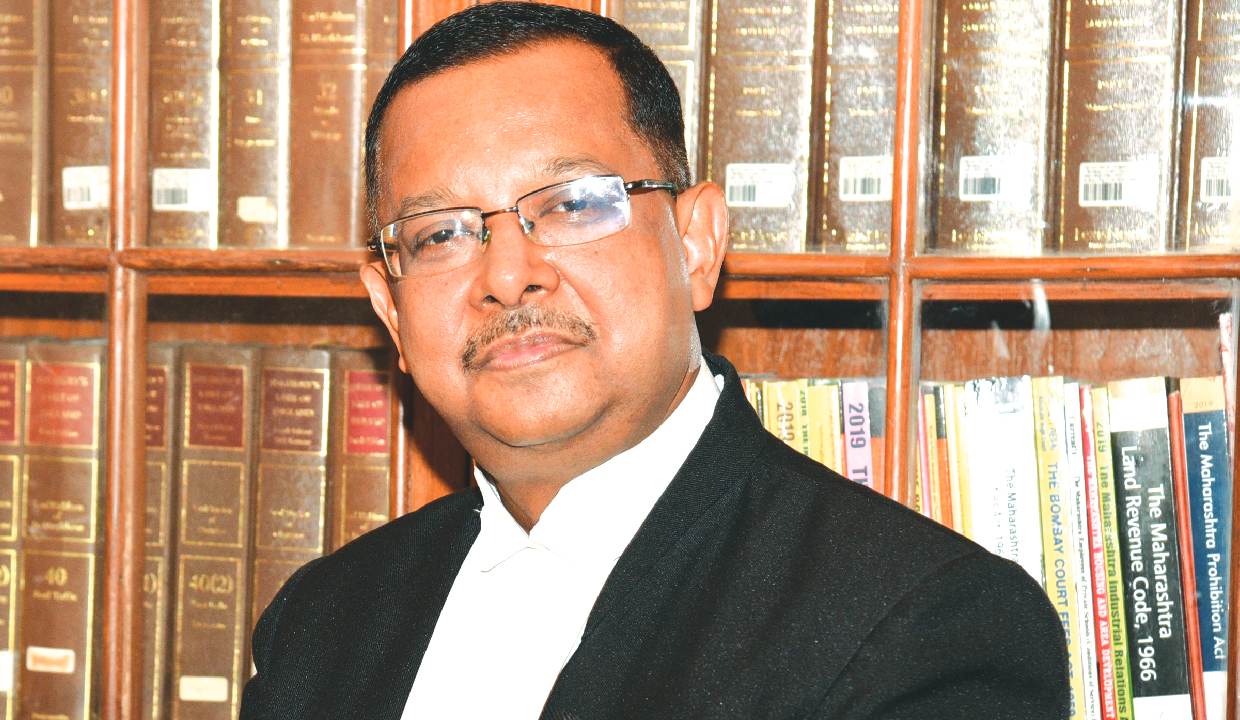
Supreme Court judge Justice Ujjal Bhuyan on Saturday said that the transfer of judges is an internal matter of the judiciary and that the Government should have no role in the process. He also criticised the Collegium for agreeing to Government requests on the transfer of certain judges from the High Courts. Justice Bhuyan was speaking at a lecture held at the ILS Law College, Pune.
“Transfer of a judge is always for the better administration of justice. It is an internal matter of the judiciary. The Government can have no say in that,” he said. Justice Bhuyan cautioned that any departure from this principle compromises judicial independence and defeats the purpose of insulating the judiciary from outside influence.
The Supreme Court judge expressed concern over instances where collegium resolutions themselves record that a transfer was made at the request of the Government, describing this as deeply troubling. “When the collegium itself records that the transfer of a High Court judge was being made at the request of the Government, it reveals a striking intrusion into what is constitutionally supposed to be an independent process,” he said.
“It reflects a clear admission of the Government influencing collegium decisions — the very thing the collegium system sought to prevent,” Justice Bhuyan said, calling it “very unfortunate.” The judge said such disclosures reflect an undermining of the collegium system’s integrity, which was evolved to prevent political and Governmental influence in judicial appointments and transfers.
Justice Bhuyan also defended the Collegium system of judicial appointments, tracing its evolution to a period when disproportionate Government influence in judicial appointments had raised serious concerns. “Having regard to the malady of political influence and interference playing a disproportionate role in the appointment of judges, the collegium system was the need of the hour,” he said.
While acknowledging criticism that the Collegium system lacks transparency and accountability, Justice Bhuyan said it remains preferable to alternatives that would allow a greater role for the Government in judicial appointments. “I am not saying that the Collegium system is a perfect one. But at the moment, it is a much better option than the alternatives which are on offer,” he added.
Justice Bhuyan also commented on how protecting the judiciary has little to do with thwarting external or physical attacks. “We don’t need a platoon of CRPF to guard the courts. Nobody is going to physically attack the courts ... The biggest threat to independence of the judiciary, many say, is from within,” he said, in this regard.
He warned that loss of credibility would hollow out the institution even if courts continued to function. “Judges will be there. Courts will be there. But the heart and soul will evaporate,” he remarked.
Justice Bhuyan further linked judicial independence to the concept of constitutional morality, emphasising that constitutional courts exist to protect rights and liberties even when doing so is unpopular.