Tarique to be first male PM in 35 years in Bangladesh
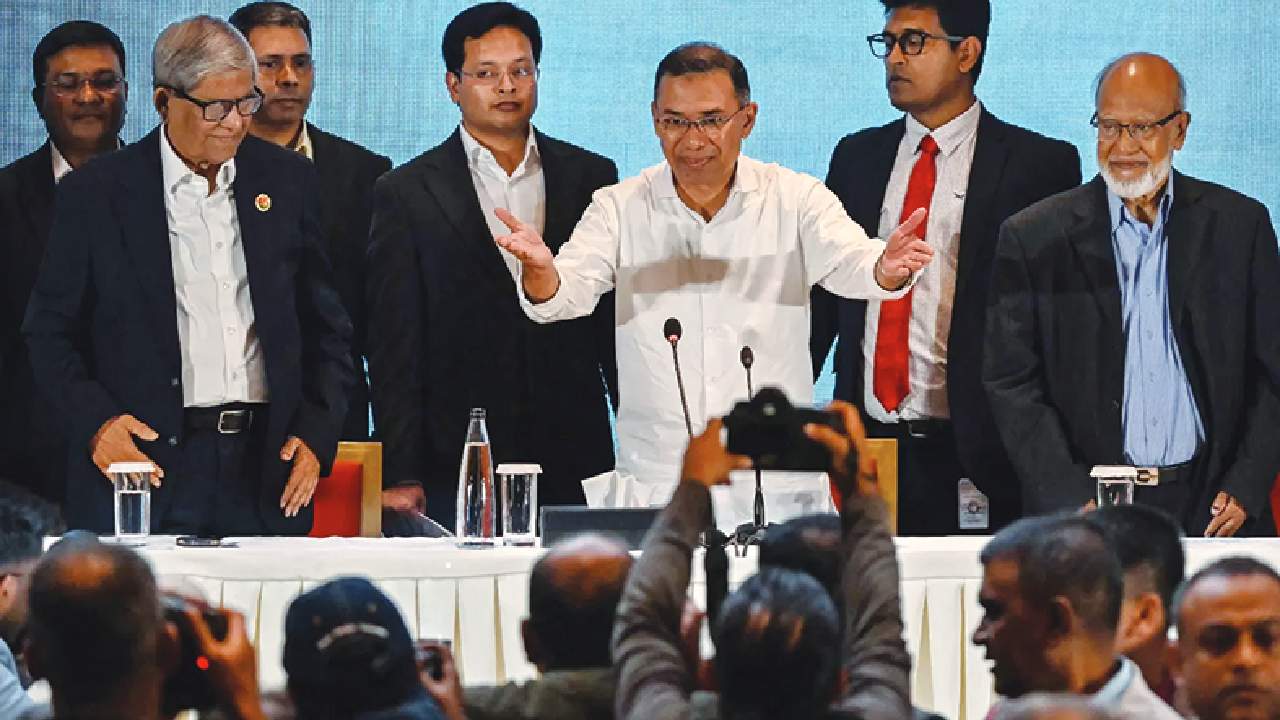
In a defining moment for Bangladesh’s political trajectory, Tarique Rahman is set to take oath as Prime Minister today, becoming the country’s first male head of government in 35 years. His elevation follows a resounding electoral victory by the Bangladesh Nationalist Party (BNP), marking a historic transition in a nation long led by two formidable women leaders. The swearing-in ceremony will be held at the Southern Plaza of the Jatiya Sangsad (Parliament) in Dhaka.
The oath will be administered by President Mohammed Shahabuddin, formally sealing the constitutional transfer of power after the general election. Senior political leaders, foreign dignitaries, diplomats, and civil society representatives are expected to attend the high-profile event amid tight security across the Capital. Rahman’s ascent signals the end of an era in Bangladesh politics that, since 1991, had been dominated exclusively by two women — his mother Khaleda Zia and longtime rival Sheikh Hasina.
Zia, a BNP stalwart, became the country’s first female prime minister in 1991 and served multiple terms. Hasina, leader of the Awami League, went on to become the longest-serving prime minister in Bangladesh’s history, holding office across successive mandates beginning in 1996 and later in 2008, 2014, 2018, and 2024. For more than three decades, the political rivalry between the two leaders shaped national discourse and governance.
Rahman’s swearing-in thus represents not only a leadership change but also a generational shift in Bangladesh’s power structure. According to the Electoral Commission, the BNP-led alliance secured 212 seats in Parliament, comfortably surpassing the 77 seats won by the Jamaat-e-Islami-led alliance. The decisive mandate underscores public appetite for political change.
Rahman’s return to power marks a remarkable comeback. He returned to Bangladesh in December 2025 after spending 17 years in exile in the United Kingdom, far removed from Dhaka’s turbulent political landscape. He will take charge from an interim administration headed by Chief Adviser Muhammad Yunus, which governed the country following a student-led uprising that brought Sheikh Hasina’s tenure to an end in August 2024.
Ahead of the ceremony, Rahman pledged to prioritize economic revitalization, institutional reform, and democratic strengthening. “This victory belongs to the people of Bangladesh,” he said, promising inclusive development and national unity. In a notable diplomatic outreach, the interim government invited leaders from 13 countries, including India, China, Saudi Arabia, Pakistan, Turkey, the United Arab Emirates, Qatar, Malaysia, Brunei, Sri Lanka, Nepal, Maldives, and Bhutan.
India will be represented by Om Birla, Speaker of the Lok Sabha, along with Foreign Secretary Vikram Misri. Prime Minister Narendra Modi was invited but is unable to attend due to prior commitments. India’s Ministry of External Affairs said Birla’s participation reflects the “deep and enduring friendship” between the two nations and reaffirms India’s commitment to democratic values shared with Bangladesh.
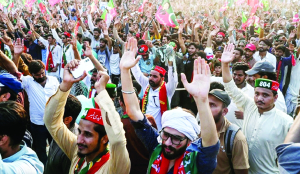
Security has been heightened as thousands of BNP supporters gather near the parliament complex, celebrating what they describe as the dawn of a “new chapter” in the country’s history. As Tarique prepares to assume office, Bangladesh stands at a pivotal crossroads — closing a chapter defined by decades of female leadership and stepping into a new political phase shaped by renewed expectations, generational change, and a strong electoral mandate.