Starmer steps down, and Labour is facing a fast reckoning
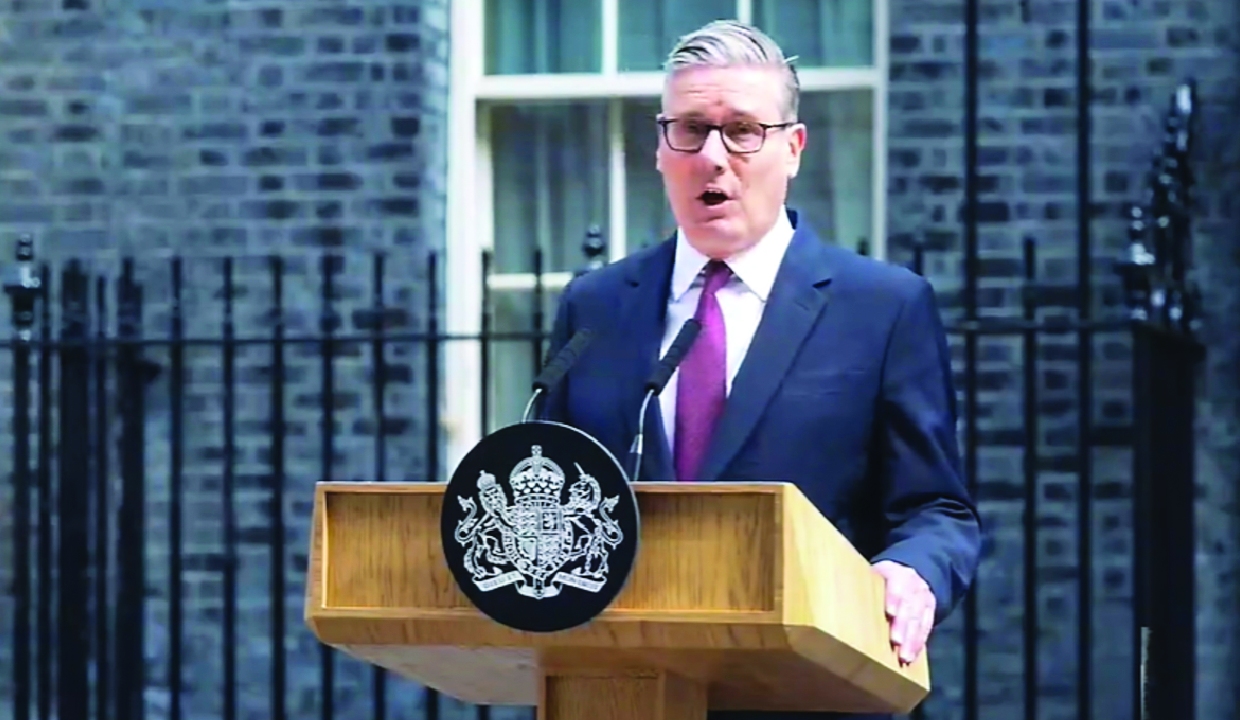
Outside 10 Downing Street, Keir Starmer stared into the cameras and made what some at Westminster had already imagined spoken out loud. He said that he would resign as leader of the Labour Party and remain as the caretaker prime minister until a successor was nominated.
The spirit was dark and sometimes stuttering. Less than two years after getting Labour to a landslide election, Starmer said, he wasn’t the right man to lead the party from here to the next general election. The news rippled through Parliament because the fall was so abrupt.
“Every decision I have taken has been about putting the country on which I hold great feelings in mind. It is for this reason that I will resign as leader of the Labour Party.”
The speech resolved one immediate question as to his future, but it left open a much darker one concerning the course of Labour.
Starmer’s collapse can seem sudden, but the warnings were all along. Labour took 411 seats and a majority of 174 – its third biggest Commons haul after Tony Blair’s triumphs in 1997 and 2001 – in July 2024. But the scale of that victory masked a vulnerable public base. Labour received just 34 per cent of the vote. That gap mattered. A big majority gave Starmer plenty of freedom as a governor, but also of course, not long-term loyalty from voters or patience from the MPs. Labour’s support faltered soon after public services crumpled and living costs remained high.
Ipsos counted the damage hard. One year into serving, Starmer’s average net satisfaction fell to minus 66, the worst score the pollster had ever measured for any prime minister since 1977. More immediate statistics still see him at minus 60 for the recent period, 76 percent unhappy and just 16 percent positive.
Starmer had had to step into office after years of Conservative splintering, so he had promised steadiness and control. Instead, his Government became well-known for reversals and internal dissent and a widespread sense that the prime minister had little to no political narrative.
The first major injury was with the decision to limit pensioners’ winter fuel allowance. The savings were small, and the anger was big, and the subsequent U-turn deepened that sense of drift. Then, in October of 2024, came Rachel Reeves’s budget, which faced criticism for increasing the tax rate to help already squeezed families.
The trouble then spread up through the party. In the summer of 2025, as a rebel backbench uprising assembled strength, Starmer had to relax planned cuts to disability benefits. After concessions, 49 Labour MPs voted against the Government.
Senior ministers, including Shabana Mahmood and Yvette Cooper, privately pressed him to establish a timetable for his departure. Wes Streeting left the cabinet on May 14 and left leaving the crisis visible, not contained.
University of Strathclyde Professor John Curtice explained the problem in simple words. Starmer, he said, never articulated what he believed in or how he meant to run the country. For many Labour MPs that erosion of trust proved deadly.
Pressure on Starmer became increasingly so once Andy Burnham returned into the picture. Burnham had appeal beyond Westminster, and unlike most critics inside the House of Commons, he presented himself as a credible successor.
He was first seeking to return to the Commons. Starmer initially blocked his move from Manchester mayor to a by-election, and he relented. Burnham won Makerfield with more than 50 percent of the vote, overtaking Reform UK and Restore Britain with that much more to offer.
That outcome changed the mood. Private frustration turned public pressure, given MPs now a rallying point. Burnham’s return made Starmer’s position hard to justify to a lot of Labour members on the edge of losing seats to Reform at the next election.
Labour has acted swiftly to avoid a protracted vacuum at the top. The party has outlined a short contest that runs from July and is likely to end before Parliament returns from summer recess. The timetable is important because Labour cannot afford months of drift. Markets, civil servants and foreign partners can engage with a caretaker, but without a settled leader — who always seems to be someone who isn’t going away — a ruling party tends to make an inward turn. The main name in the race appears, however, as Burnham. And his Makerfield win gave him momentum, while his public persona matches the vibe of a party with the aspiration to have a more prominent voice and clear political instincts.
Wes Streeting is the other important player still, though outside the cabinet. He may, or may not, run - or he might shape the race through his backing. In any case, his act matters because it speaks to the part of Labour — which has not abandoned its vision of reform in the light of its failure to move beyond Starmer’s years.
Other older executives may be kept out and play a part in shaping the outcome. The importance and influence of endorsements, group deals, and who will be able to calm the parliamentary party won’t matter less than speeches. Starmer stays in Downing Street but his grip has been compressed much more sharply. He can still direct cabinet, carry on day-to-day Government business and go to international meetings while the contest is ongoing. What he cannot accomplish is recover authority within Labour. Any substantial domestic shift would have no political effect, and any reshuffle would appear to be temporary. He is in office but only until the party decides what to go ahead with.
The promise of competence, and the reality of collapse
Starmer had risen because of a simple promise. He appeared methodical and careful and serious as a former director of public prosecutions. That image helped Labour look safe again after the turmoil of the Conservative years.
Government revealed the limits of that style. A caution gave way into hesitation. Discipline became second nature to repeated revolts. The rhetoric to end chaos sounded empty as ministers resigned, policies changed under duress, and awkward calls, such as the Peter Mandelson ambassadorial appointment, bred doubts about judgment.
Starmer exits power with a baffling record. He secured a massive Commons majority, then failed to turn it into lasting support. Even opponents considered him to be decent and hard-working, but he ended up the most unpopular prime minister in modern Ipsos polling.
Labour must now determine what it is for, and not just who it will run its base around. That search has arrived amid a period when Reform is coming harder on the right and public patience with the two big parties has become short-lived.
Should a new Labour leader take power, before autumn, Britain would have had its seventh prime minister in a decade, a cruel snapshot of just how unstable the country’s politics have become in a decade of being a very unstable one. Starmer’s resignation brings a brief, painful period of Labour’s political struggle to an end.
Starmer’s step down as party leader, his tenure as caretaker prime minister followed up by leaving the party and a compressed race through July through late summer.
The underlying story is more difficult for Labour to escape. A leader elected by competence lost authority among voters, then with MPs, and then with his own cabinet.
The race after each vote is about more than succession, because it will determine whether Labour will be able to regain the purpose it lost nearly as soon as it acquired power.
The writer is a veteran journalist and freelance writer based in Brampton, Canada; Views presented are personal.