Signals from Modi’s Knesset address
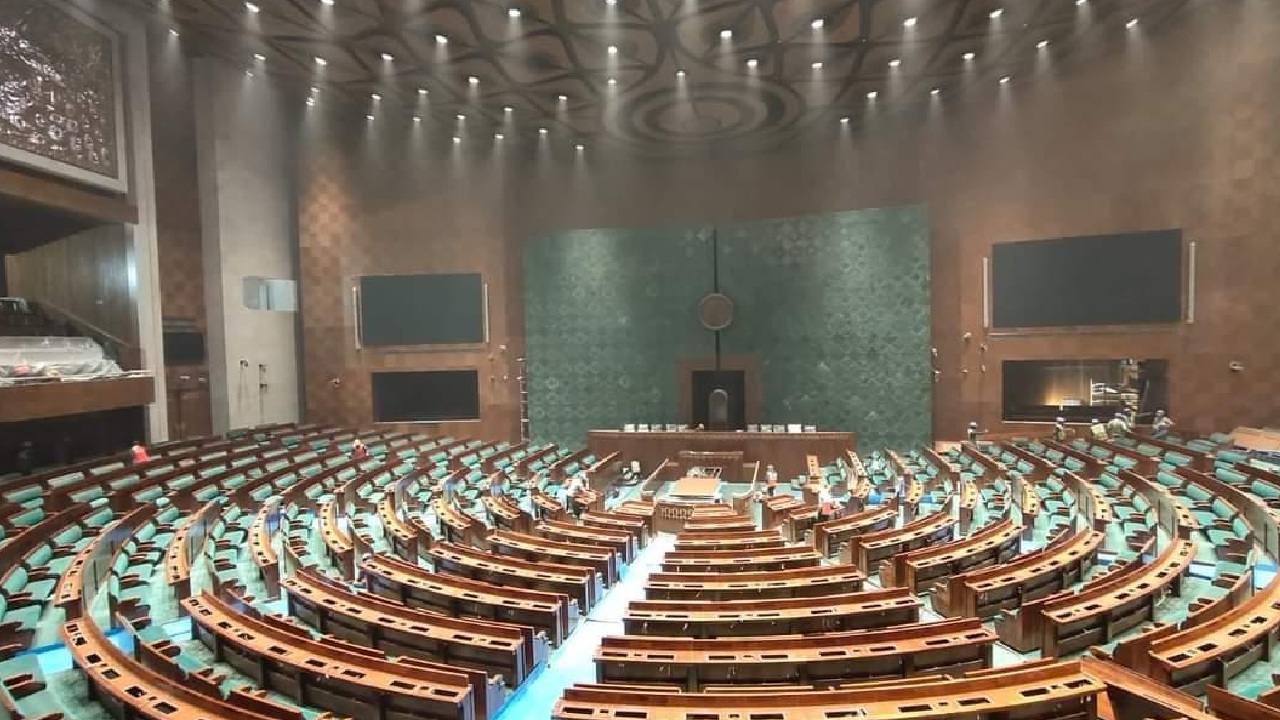
West Asia is a quagmire very few world leaders are keen to step into. The situation here is complex and the reality so twisted that it is difficult to identify the perpetrator, let alone judge the situation. When Prime Minister Narendra Modi touched down in Israel, he had a very difficult task at hand: to strengthen relations with Israel but at the same time remain steadfast in India’s West Asia policy that has supported Palestine’s right to self-determination. Modi’s historic address to the Knesset, a first by an Indian Prime Minister, was indeed a defining moment in India’s West Asia diplomacy.
Modi’s message — that “no cause can justify the murder of civilians” — was multilayered; it was directed at all concerned without naming anybody. Modi condemned violence and kept his pitch generic, stating that India was for peace in the region and that nothing whatsoever could justify the killing of innocent people. Modi’s visit is also filled with realism, though it is loaded with rhetoric. Standing alongside Israeli Prime Minister Benjamin Netanyahu, Modi described Israel as a “trusted partner” and reaffirmed India’s support “with full conviction”. It was a razor-edge walk, as Modi in the same breath reiterated India’s backing of the UN Security Council-approved Gaza peace initiative, signalling that India was not shunning its well-articulated and practised West Asia policy. This dual messaging - solidarity with Israel’s security concerns while endorsing a pathway to “just and durable peace” - encapsulates India’s balancing act.
The India-Israel partnership today is both strategic and substantive. Since Modi’s landmark 2017 visit - the first by an Indian prime minister — ties between the two countries have improved significantly. India is Israel’s largest arms buyer, and defence cooperation has become the backbone of the relationship. From advanced missile systems to surveillance technologies, Israeli defence exports have played a critical role in modernising India’s military capabilities. Beyond security, both countries are deepening collaboration in artificial intelligence, quantum technologies, water management, and agriculture. The recent Bilateral Investment Treaty further institutionalises economic engagement.
However, India has traditionally championed Palestinian self-determination in multilateral forums and continues to endorse a two-state solution. Indeed, New Delhi recently joined over 100 countries in criticising Israeli moves in the West Bank. The tension between principle and pragmatism is therefore unmistakable. What has now changed is that India’s West Asia policy is interest-driven rather than ideological. Security cooperation, technology partnerships, and geopolitical convergence matter more than symbolic posturing. Finally, the future of India’s West Asia policy will depend on its ability to sustain this delicate balance. Moral consistency — particularly on civilian protection —must complement strategic partnerships. Modi’s Knesset address was more than a ceremonial milestone. It was a statement that India seeks to be both a steadfast partner and a principled actor — navigating West Asia not through binaries, but through calibrated conviction.