SC flags bulk SIR notices in Capital
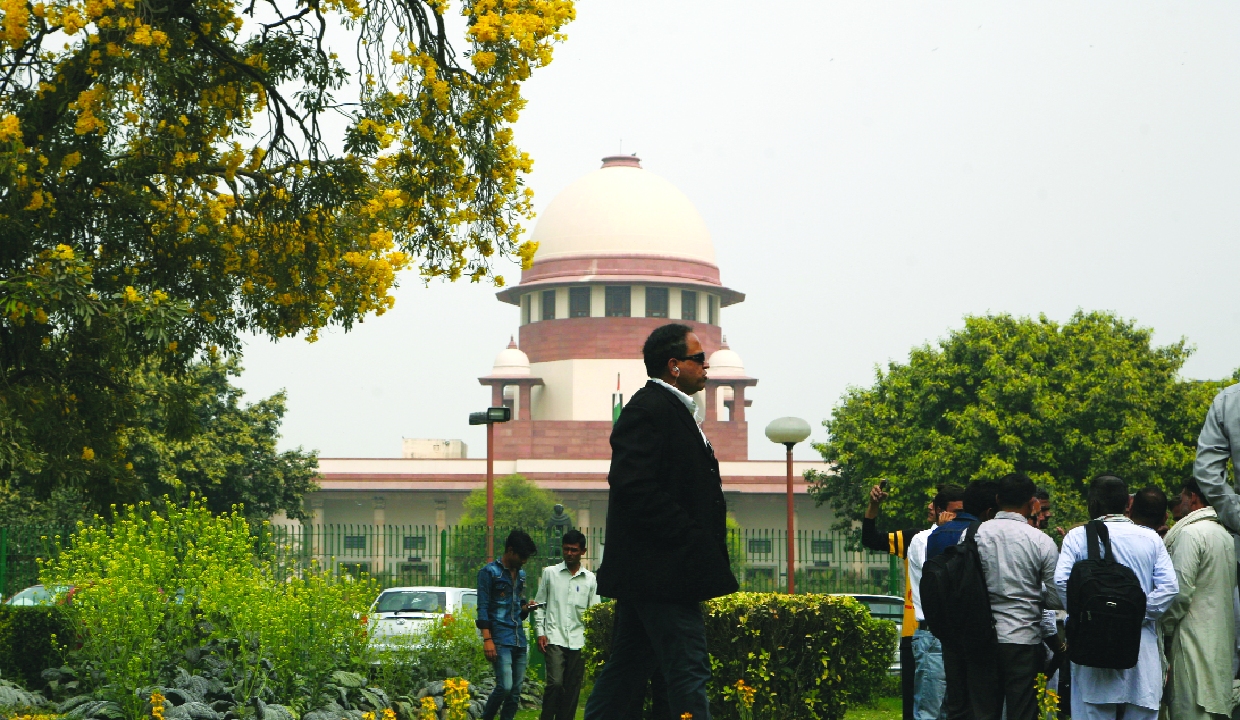
With more than 33 lakh voters in the national Capital receiving SIR notices about various discrepancies, the Supreme Court on Tuesday observed that some notices appeared to have been mechanically issued. A Bench of Chief Justice Surya Kant and justices Joymalya Bagchi and V Mohana told the poll panel to examine whether filters are needed before issuing notices. The Bench also said the basis for identifying a “logical discrepancy” required clarification.
“The notices are going to people almost mechanically. Just look whether some additional safeguards are needed. The basis for identifying logical discrepancy also needs clarification,” the Bench told senior advocate DS Naidu, appearing for the Election Commission of India (ECI). The Bench also sought details regarding the manpower deployed for the verification exercise.
The SC was hearing a petition by Anjali Bhardwaj and Amrita Johri, alleging that the ECI and the Delhi Chief Electoral Officer failed to adequately disclose the names of voters issued notices and the specific reasons for issuing them. The petitioners have sought a searchable, consolidated list identifying all electors who received notices, along with the precise reason for each notice. They have also sought disclosure of the criteria, algorithmic parameters and operational guidelines used to identify “logical discrepancies.”
During the hearing, advocate Prashant Bhushan, appearing for the petitioners, submitted that the process was “shocking” as over 33 lakh voters received notices on flimsy reasons. Bhushan submitted that the notices were creating practical difficulties for voters because they required them to produce any of the 12 prescribed documents to address discrepancies.
SC flags bulk SIR notices in Capital
Naidu argued that petitioners had not disclosed any specific instances and assured the court that the poll panel has increased manpower to handle the workload and that notices included reasons. He said that ECI has issued a press note recently and clarified several issues, which were being raised by the petitioners.
“You have sent about 30 lakh notices. How many BLOs are deployed?” Justice Bagchi asked.
Naidu said around 14,000-15,000 Booth Level Officers (BLOs) and 1,200 Electoral Registration Officers (EROs) had been deployed for the exercise. He added that October 29 was the deadline for filing claims and objections as of now but the ECI was open to an extension if the process was not completed as Delhi is not an election bound State. He further assured the bench that “not a single genuine voter would be deleted in the exercise”.
Bhushan, however, questioned why a person who had already submitted an enumeration form and produced proof of age and residence should be required to furnish further material.
The CJI observed that the Delhi situation could be unique because of its large migrant population. Senior advocate Kapil Sibal, also appearing in the matter said that Delhi has multi-storeyed buildings and doubted whether BLOs would go visit every house in the buildings. Naidu submitted that the ECI was conducting camps and sensitisation programmes and had created WhatsApp groups to assist voters.
Earlier, Bhushan had told the court that the ECI has issued notices to 33 lakh of the 47 lakh people whose names have been deleted from the electoral rolls during the SIR exercise in the national Capital.
The petitioners have also sought a disclosure of the criteria, definitions, algorithmic parameters and operational guidelines governing the classification of voters under the “Logical Discrepancies” category. The plea filed under Article 32 of the Constitution has alleged violations of the fundamental rights guaranteed under Articles 14, 19 and 21, besides the constitutional rights under Articles 325 and 326.
The petitioners have sought directions for the publication of a consolidated, searchable list of all the voters against whom notices have been issued during the SIR process in Delhi, along with their addresses and the specific reasons or categories for each notice. The plea further seeks directions requiring authorities to specify the precise discrepancy and material facts forming the basis of each notice, so that the voters can effectively participate in the hearing process.