Russia, largest beneficiary of war
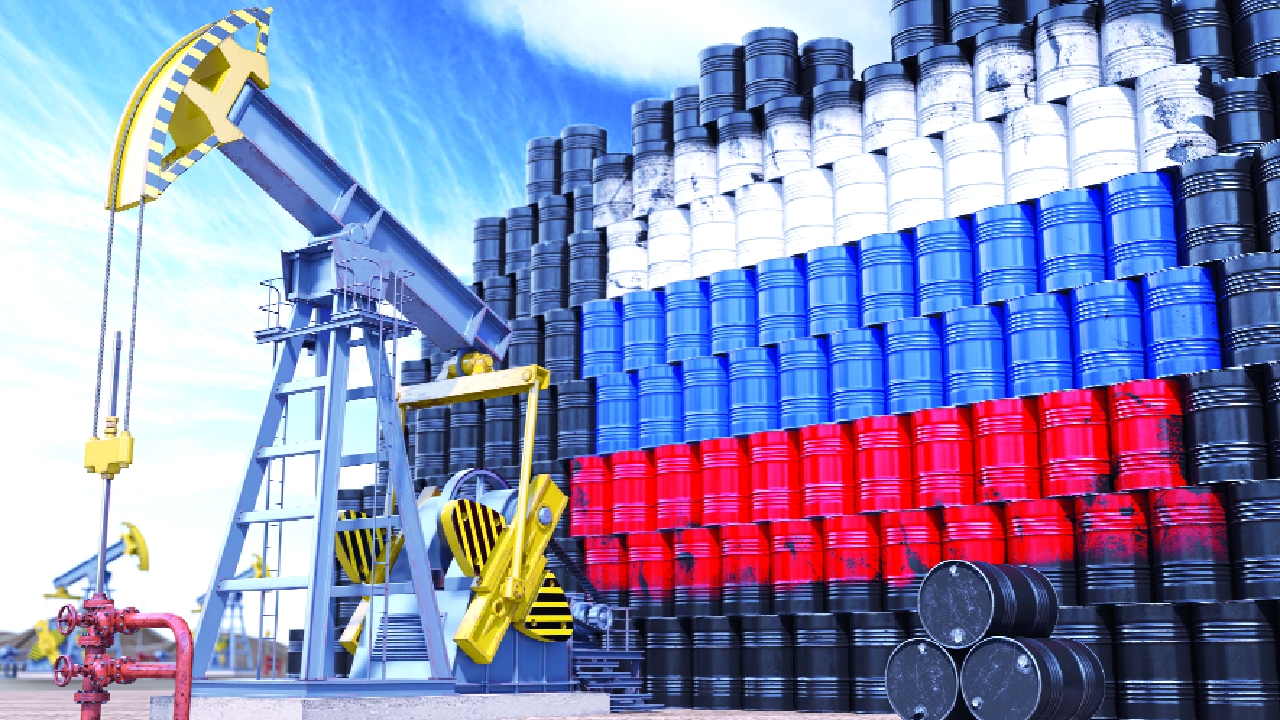
For the first time since the Russia-Ukraine war, Russian crude oil commands a $4-5 a barrel premium over the global prices. Until the Iran-Israel-US war, which engulfed most of the Gulf nations, Moscow sold the fuel at a massive discount of $10-15 a barrel. Traders admit that India is now paying more than the market prices to take deliveries from Russia. For the Indian refiners, which are cut off from traditional and massive supplies from the Middle East through the now-closed Strait of Hormuz, Russian oil is a saviour.
While the global prices rose 25 per cent over the past few days, the hike in Russian supplies was an impressive 50 per cent. According to a Kremlin spokesperson, quoted in media reports, “We are seeing a significant increase in demand for Russian energy sources in connection with the war in Iran.” He added that Russia has emerged, and “remains a reliable supplier” of oil and gas, including liquefied natural gas. According to a Russian analyst, “the conflict is creating favourable conditions for the growth of Russia’s revenues from energy exports.”
Some of the European Union (EU) members have initiated efforts to increase energy exports from Russia. These moves began before the Iran war, but may have intensified after it. For example, Slovakia admitted that it amended the long-term contract with Russia’s Gazprom to “align it with European regulations.” This will enable it to continue to import LNG despite the western sanctions against Russia. Slovakia may raise the imported volumes during the war, and before the EU’s complete ban on Russian gas kicks in 2027.
Before the Ukraine war, Europe sourced 40 per cent of its gas requirements from Russia, but the combined sales of piped gas and LNG from the latter were down to 13 per cent of overall imports in 2025. The EU decided to stop the LNG imports by end-2026, and pipeline gas by September 2027. However, some members, hit by the current war, and hoping to take advantage till the ban is effective, may hike imports from Russia over the next few months. Qatar, a major supplier of LNG, declared force majeure, and shut off its plants.
Russia, however, may play a double game. It may use the war crisis as an opportunity to extract revenge from the EU, and cut off energy exports to the region. This will saddle Europe with huge shortages. Instead, Moscow may aim to please its past allies, which supported, and hike supplies to India, China, Thailand, and the Philippines. Since the Asian buyers are largely dependent on imports, with minimal domestic production, they may be willing to pay high premiums, especially after they benefited from the huge discounts before the Iran war.
“The EU’s (earlier) energy strategy, premised on the idea that the Russian volumes could be permanently replaced by a combination of the US, Qatari, and other LNG, plus accelerated renewables, is now in serious question,” says an analyst quoted in media reports. There are moral, political, and economic issues that the EU members will need to address to tackle the ongoing war situation. There are still pressures on them not to look at Russia because it will be “wrong” to do so. One is not sure if global supplies from other sources can help.
Although the Russian supplies, despite now being more expensive, can aid India, there are political repercussions. The recent statement by Scott Bessent, the US treasury secretary, that America has allowed a temporary 30-day waiver to India to buy Russian oil invited huge criticism from the Indian Opposition. Critics alleged that India’s sovereignty was at stake, as its moves were guided by what the US said and wished. Bessent’s remarks were crucial because he added that India could buy the oil that was stranded at sea, and the measure would not help Russia with “significant financial benefit.”
Indeed, instead of Russian oil, the US officials want India to ramp up purchases of American oil over the next few weeks, possibly before the 30-day waiver ends. For a year, the US has used the tariff stick to force New Delhi to stop its energy reliance on Moscow, and instead veer towards Washington. For months, despite the punitive trade tariffs, India stood its ground, but finally gave in to push through the bilateral trade deal with the US, and only when the discount on Russian crude came down drastically due to logistics and insurance costs.
Whatever the twists and turns one may see in the global energy order, some of them may be short-term, and a few may last for longer periods. For example, despite the Middle East crisis, the US President Donald Trump does not appear nervous. In interviews, he maintains that America has a lot of oil, “tremendous amounts,” and it will not need to dip into the strategic petroleum reserves of more than 400 million barrels. Indeed, he believes that there is a lot of oil globally and, hence, the ongoing energy crisis “will get healed very quickly.”
Trump said in interviews that he would ease the war “pressure” only if it is necessary. “If there was some (need), I would do it (take steps), just to take a little of the pressure off,” Trump said in an answer to a reporter on board Air Force One. At present, the US thinks that it does not need to step back from the war. Instead, it feels that this is the time to crush Iran once and forever. What remains unsaid is that the crisis will show Europe its place vis-à-vis America, and shape up errant and rogue nations like India (a rebel ally), and China (a sworn enemy). Others like Japan, and Middle-East nations, who wished to counter America after the Supreme Court order on tariffs, may remain subdued.
The overall energy strategy seems majestic, almost grand. With the Venezuelan oil in its pockets, the sockets and valves can be opened within a few months to release additional oil. If Iran capitulates, the oil from it, which was being sold in the black market due to the western sanctions, will be under American control. The US’ internal production can be pushed up instantly, especially at the current high global prices, which makes shale gas extremely lucrative. At the same time, the powerful consumers are down in the dumps. Apart from military victory, the US can emerge as the only energy victor.