The art of dress
A look at how the 2026 Met Gala turned history into a vibrant moving gallery, writes Sakshi Priya
Where exactly does a canvas end and a breathing body begin? The Metropolitan Museum uses its massive annual charity fundraiser to erase the line between gallery and street. The 2026 Met Gala’s Costume Art theme dared guest to turn oil paints and stone into wearable fabric. Art stands as the highest form of expression. If fashion wants to step into that visual world, it must be entirely experimental.
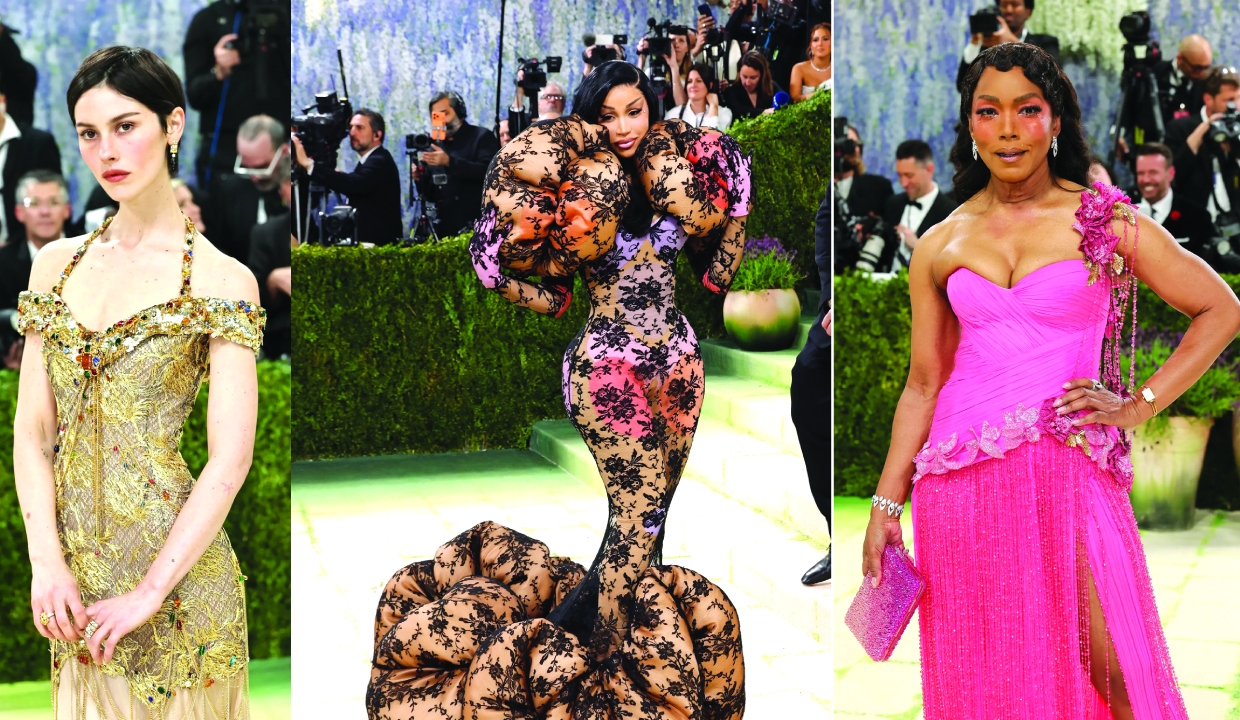
The famed steps became a moving gallery. Cardi B weaponised her shape by turning Hans Bellmer's fragmented dolls into a fever dream. Gracie Abrams wore the golden armour of Klimt. Rachel Zegler carried the vulnerability of Lady Jane Grey in white. The Slipped strap of Sargent’s Madame X found separate reincarnations through Claire Foy, Lauren Sánchez Bezos and Julianne Moore. Rebellious painted detail survives for centuries. Amy Sherald brought her graphic palette into space. Kim Kardashian encased flesh in the industrial shell of Allen Jones. Seeing the natural body locked inside a sculpture feels unsettling. Naomi Watts turned couture into blooms of Dutch still life. Alexa Chung distilled Monet lily while Lisa Airan danced flawlessly in Matisse colours. Madonna commanded the dreamscape from Leonora Carrington.
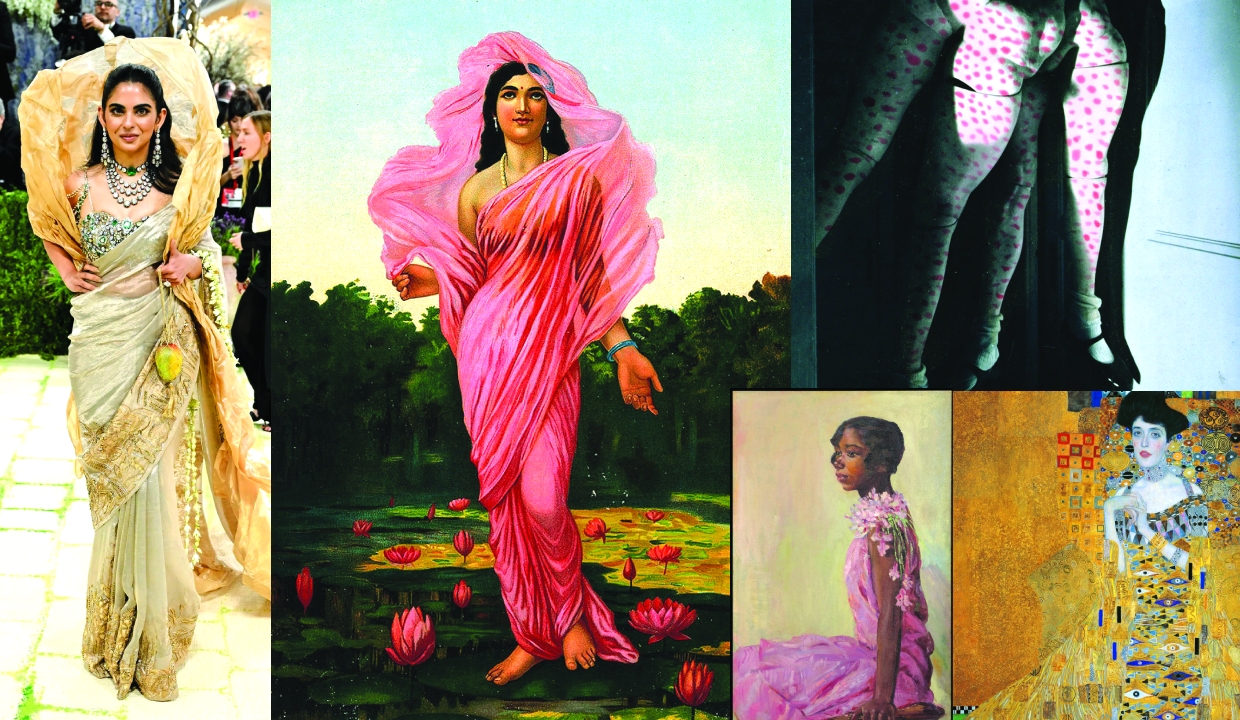
Kendall Jenner and Yu-Chi Lyra Kuo channelled the wet draped stone of ancient Winged Victory of Samothrace. Ben Platt brought dots of Seurat while Miles Chamley-Watson mirrored chaos of Cubism. Heidi Klum committed to marble illusion of The Veiled Virgin. Audrey Nuna wore crystals mimicking Pollock splatters. Rosé modernised Braque, while Alexi Ashe Meyers became brushstroke of Yves Klein blue and Angela Bassett carried poise of Laura Wheeler Waring.
Raja Ravi Varma caught tension in Padmini, The Lotus Lady. He took weight of myths and painted them with soft realism. Taking beauty off flat canvas into garment takes visionary skill. Isha Ambani achieved this cultural homage in custom Gaurav Gupta sari. Structural draping mirrored heavy folds of royal portraiture while delicate embellishments reflected soft luminosity of lotus itself. When art wraps around living, breathing body, it stops being clothes. It becomes shared pulse between past and present, proving that greatest masterpieces belong out in the bold, chaotic world moving alongside us instead of hanging silently on a cold museum wall.
The Lotus Realism
A painting is meant to stay perfectly still but the best ones always look like they are about to step towards you. Raja Ravi Varma caught that exact tension in Padmini The Lotus Lady. He took the heavy weight of our ancient myths and painted them with a shockingly soft realism.