Rare Malvi camel breed faces extinction threat, conservation measures initiated
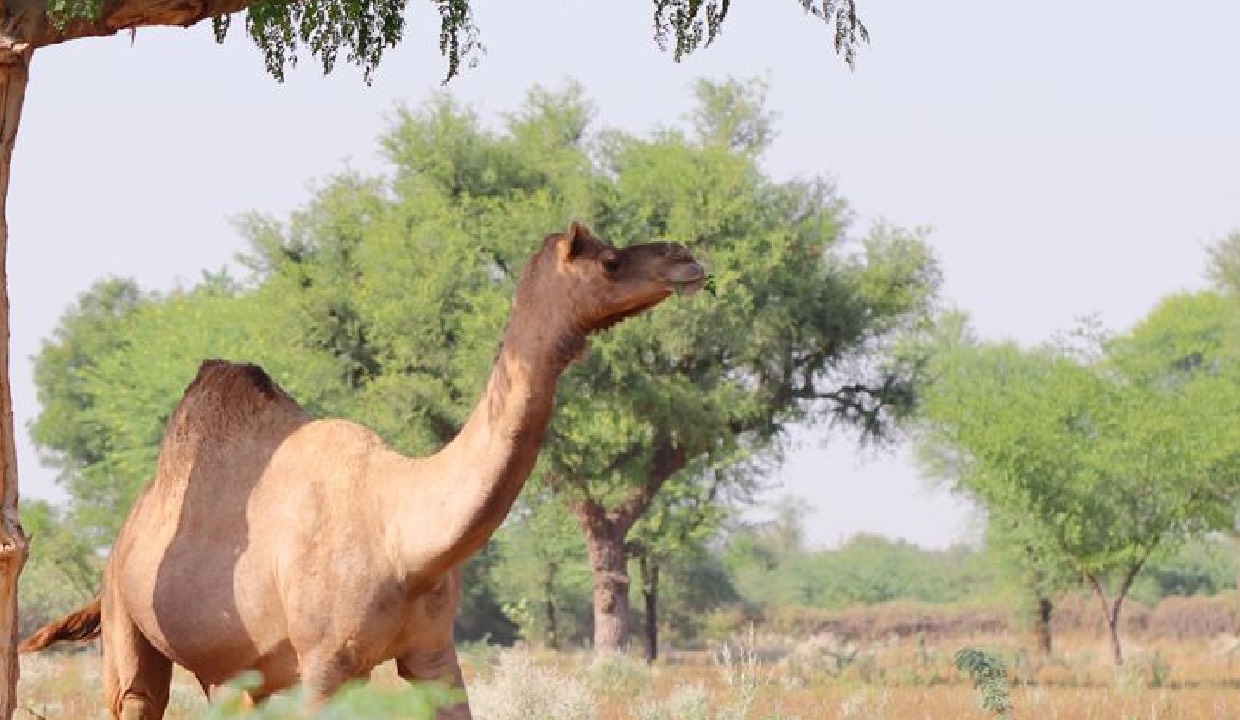
The rare Malvi or white camel breed, one of nine recognised camel breeds in India, is facing a serious threat of extinction with only 102 animals remaining, prompting the National Research Centre on Camel (NRCC) to launch a conservation programme, officials said.
According to the 2019 livestock census, the Malvi breed has witnessed a sharp decline and is now categorised as endangered. Scientists consider camel breeds with fewer than 300 breeding females to be at risk, placing Malvi along with Mewari and Mewati breeds, in the endangered category.
To address the crisis, the NRCC has procured 12 Malvi camels, including three males and nine females, and initiated a scientific breeding programme to increase their population.
"We have procured 12 Malvi camels, including three males and nine females, and initiated a scientific breeding programme to increase their population," said Dr Ved Prakash, principal scientist at the NRCC.
The institute is focusing on pure breeding techniques to preserve the breed's genetic identity and improve its numbers, he said.
Known for its distinct white colour, the Malvi is considered the smallest among India's camel breeds and is also valued for its milk production. A female can yield around 4-5 kg of milk per cycle.
Traditionally used for transportation and carrying loads, the breed is primarily found in Madhya Pradesh's Malwa region, including Mandsaur, Neemuch, Ratlam and Gwalior, and parts of Rajasthan such as Kota, Bundi, Jhalawar and Baran.
Officials attributed the declining population to changing socio-economic conditions and reduced utility of the breed.
"Apart from conservation and breeding, we are also working to study the unique characteristics of the breed and create awareness among farmers and livestock rearers," Ved Prakash said.
The NRCC is implementing the programme under a network project of the National Bureau of Animal Genetic Resources, Karnal, and is engaging with livestock owners to promote the breed's utility and encourage its conservation.