Questioning religious practices in courts could break religion and civilisation: Supreme Court
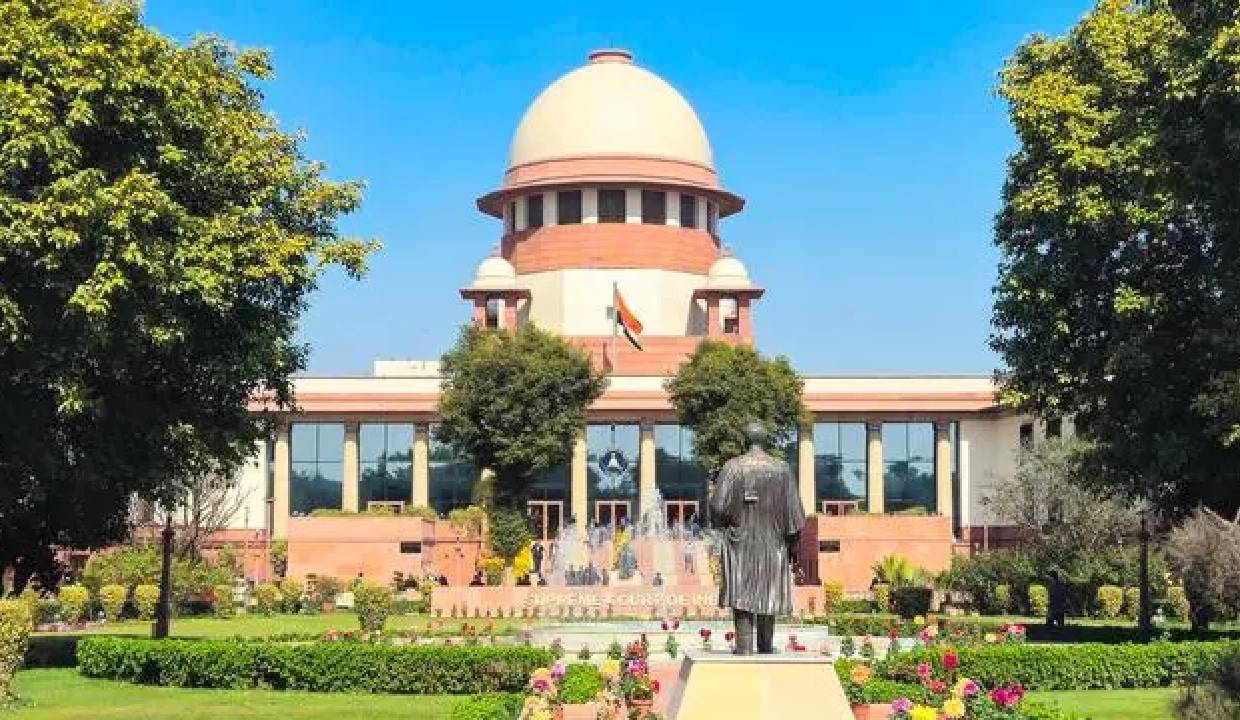
The Supreme Court observed that if individuals begin challenging religious practices and matters of faith before constitutional courts, it could lead to endless litigation that may ultimately weaken religions and disrupt India’s civilisational fabric.
The remarks were made by a nine-judge Constitution Bench while hearing petitions concerning women’s entry into religious places, including the Sabarimala temple case, along with issues relating to religious freedom and the Dawoodi Bohra community.
The bench, headed by Chief Justice of India Surya Kant, was hearing arguments on the constitutional scope of religious practices under Articles 25 and 26 of the Constitution.
Senior advocate Raju Ramachandran, appearing for a group of reformist Dawoodi Bohras, argued that practices linked to secular or social actions should not automatically receive constitutional protection merely because they carry a religious aspect. He contended that practices adversely affecting fundamental rights cannot remain immune from judicial scrutiny.
Responding to the submissions, Justice B V Nagarathna said that unrestricted questioning of religious practices before constitutional courts could open the floodgates to numerous petitions challenging rituals, temple customs and denominational traditions.
“What happens to this civilisation where religion is so intimately connected with Indian society?” Justice Nagarathna remarked, adding that courts were conscious of the broader implications of such interventions.
Justice M M Sundresh also cautioned against excessive judicial involvement in internal religious matters, observing that every dispute within religious communities could eventually be brought before courts if limits were not maintained.
The bench noted that India’s diversity and civilisational continuity are deeply connected with religion and social traditions. Justice Nagarathna said the court was concerned about balancing constitutional values with preserving the country’s cultural and religious identity.
She emphasised that while India continues to progress economically and socially, religion remains a constant element shaping relationships and societal structure across generations.
Ramachandran, however, maintained that constitutional morality must prevail over practices that violate fundamental rights, arguing that courts cannot avoid adjudicating such issues merely because they concern religion.
The case also revisits the 1962 Constitution Bench judgment that struck down the Bombay Prevention of Excommunication Act, 1949, and upheld the Dawoodi Bohra community’s right to excommunicate members on religious grounds under Article 26(b) of the Constitution.