Protesters block key Dhaka junction seeking justice for Hadi’s killing
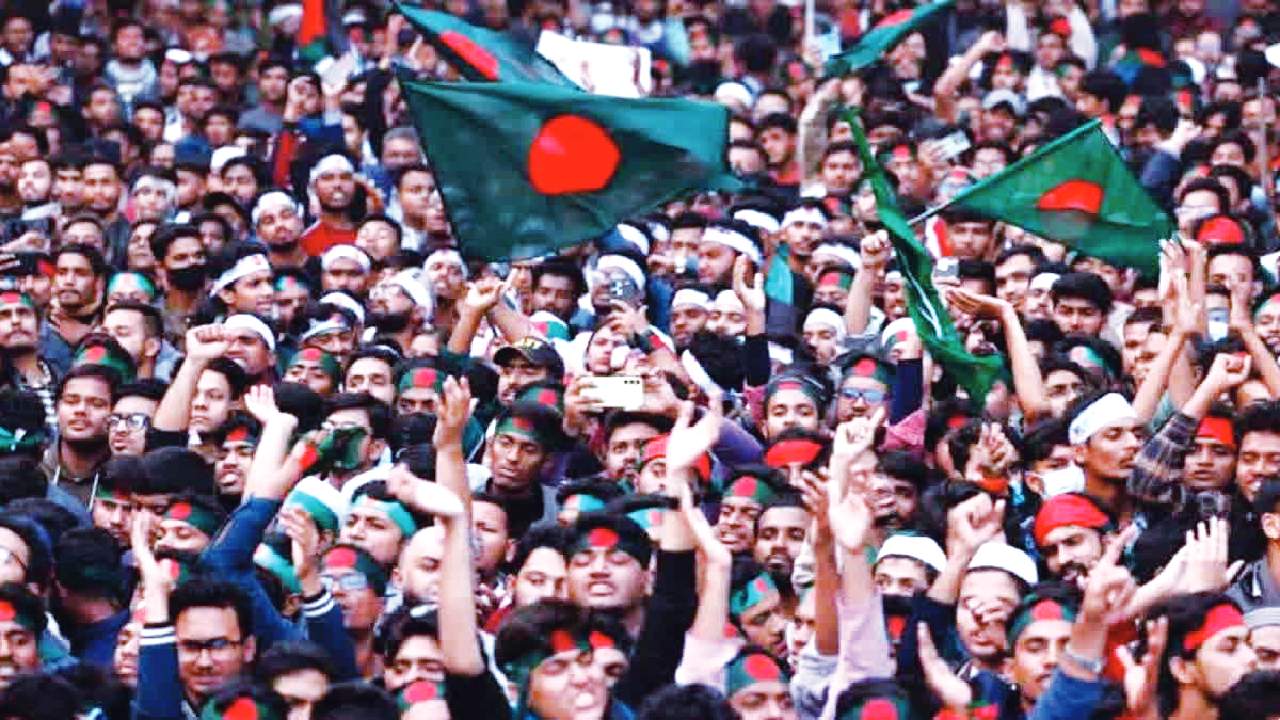
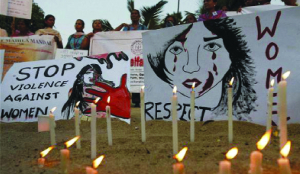
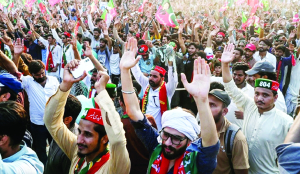
Bangladesh’s slain radical leader Sharif Osman Hadi’s party activists on Friday blocked one of Dhaka’s busiest intersections, demanding justice for his killing, disrupting traffic in the capital for several hours.
After Friday prayers, leaders and supporters of Inqilab Moncho and July Moncho, joined by students and members of the public, brought out a protest procession from the Dhaka University Central Mosque and marched towards Shahbagh, where they staged a sit-in demonstration, The Daily Star newspaper reported.
Md Moniruzzaman, officer-in-charge of Shahbagh Police Station, said the agitators began blocking the intersection at around 2.30 pm local time and traffic has remained suspended since then. The protesters blocked the main roads at Shahbagh, bringing vehicular movement in the area to a complete halt. Addressing the demonstrators, Inqilab Moncho Member Secretary Abdullah Al Jaber said the group would continue the blockade until justice was ensured for Hadi’s killing, adding that protesters were prepared to stay overnight at the site if necessary.
“From today, we declare this Shahbagh as ‘Shaheed Osman Hadi Chattar’. Our movement will not leave the streets until justice is ensured for Hadi’s killing,” Al Jaber was quoted as saying by The Dhaka Tribune newspaper. Shahbagh is a strategic junction connecting several key parts of Dhaka, and blockades there often cause widespread traffic congestion across the city.
Hadi, a staunch critic of India alongside the Awami League, was one of the leaders of last year’s violent student-led street protest dubbed the July Uprising that toppled the Hasina-led Government. He later floated the Inqilab Mancha. Hadi was a candidate for the scheduled parliamentary election in February.
He was shot in the head by masked gunmen on December 12 in Dhaka. Six days later, he died at a Singapore hospital. The Inqilab Mancha has demanded the immediate resignation of Home Adviser Jahangir Alam Chowdhury and Law Adviser Asif Nazrul, holding them accountable for the murder.
The law adviser has promised to hold the trial in Bangladesh’s Speedy Trial Tribunal, which requires hearings to be completed in 90 days. After Hadi’s death, mobs in Dhaka staged mayhem, setting alight the main offices of mass circulation Prothom Alo and Daily Star newspaper, two progressive cultural groups Chhayanat and Udichi Shilpi Goshthi in Dhaka. A Hindu factory worker was lynched by a mob in central Mymensingh.
BNP’s Tarique Rahman visits his father’s grave
Dhaka/New Delhi: BNP acting chairman Tarique Rahman on Friday visited the grave of his father and Bangladesh’s former president Ziaur Rahman in Dhaka, a day after he returned home from self-exile in the UK. Rahman reached Zia Udyan in a red-and-green bulletproof bus and paid floral tributes at the grave, offering ‘dua’ and ‘munajat’ for the eternal peace of his father’s soul, news portal bangla. Daily-sun.Com reported.
The 60-year-old Bangladesh Nationalist Party (BNP) leader returned to the country after over 17 years. He has been living in London since 2008. This is the first time in almost 19 years that Rahman has paid tribute at his father’s grave, news portal tbsnews. Net reported. The last time he did so was on September 1, 2006, when he was serving as BNP’s Senior Joint Secretary General, marking the party’s founding anniversary, it said.
BNP founder Ziaur Rahman was a Bangladeshi military officer who served as the sixth president of Bangladesh from 1977 until his assassination in 1981. He retired from the army in 1978 with the rank of lieutenant general. Rahman stood before the grave with visible emotion and offered fateha. He was seen wiping tears with a handkerchief. He was accompanied by senior party leaders.
Though the distance between Rahman’s Gulshan residence and Zia Udyan is only 8 km, it took him one hour and 51 minutes to reach the grave due to the massive presence of party leaders and workers, who lined both sides of the road, making the route narrow for his motorcade. Throughout the journey, he waved to supporters from inside the bus.
Rahman was paying respects leaders and activists gathered in front of the entrance and chanted slogans. Meanwhile, security was tightened across Zia Udyan. Additional law enforcement personnel were deployed at Zia’s grave and surrounding roads. Checkpoints were set up at entry points, and party volunteers helped maintain order.