Principal Secretary to PM outlines new vision for civil services
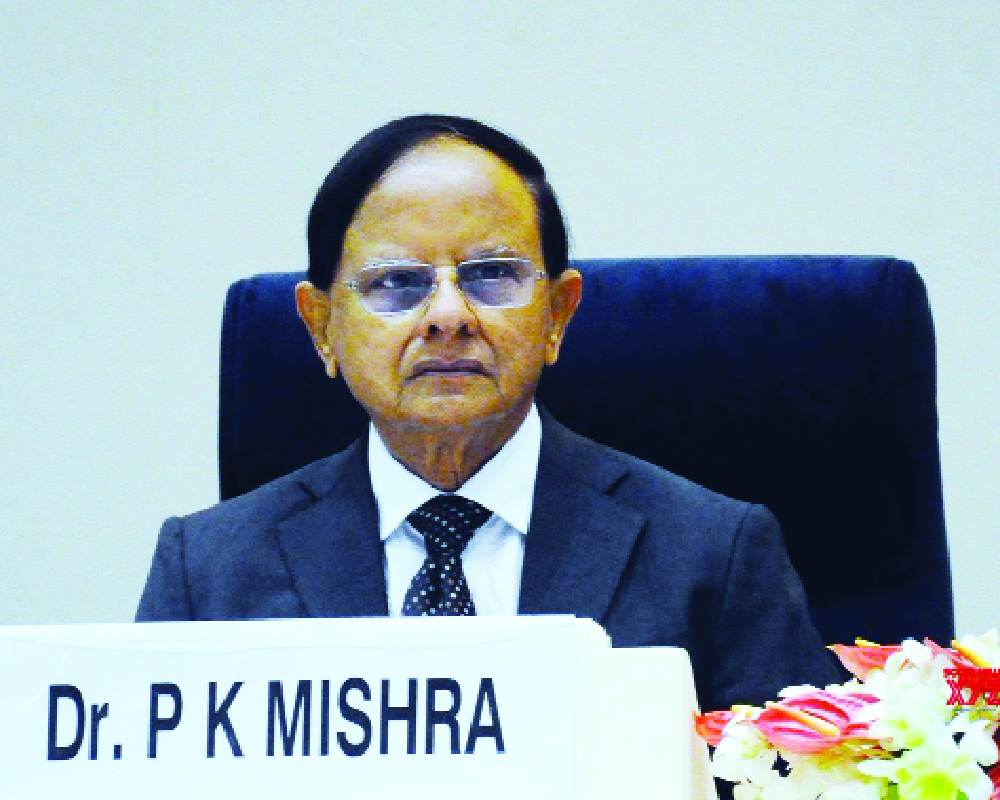
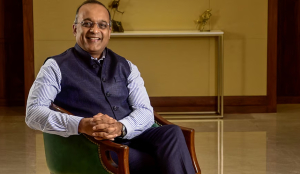
Principal Secretary to the Prime Minister, Dr PK Mishra, addressed the Plenary Session of UPSC’s Shatabdi Sammelan on Thursday, describing the Commission’s centenary as a tribute to the foresight of India’s constitutional founders.
He praised UPSC for upholding merit, fairness and integrity throughout the last century and acknowledged the efforts of its Chairpersons, Members, officers and staff who have protected its credibility. He noted that generations of civil servants drawn from India’s diversity have upheld ideals of impartiality, constitutional morality and public duty.
Tracing the evolution of the institution from the Public Service Commission in 1926 to the Federal Public Service Commission under the 1935 Act and later the post-independence UPSC, he stressed that conducting civil services examinations remains its most important responsibility. He also highlighted the recently launched Pratibha Setu portal, which connects final-stage candidates with potential employers and opens new opportunities for talented youth.
Dr Mishra spoke about how the role of civil services has changed over the decades as before independence, officers mainly maintained law and order and collected revenue but in the early years after independence, the focus shifted to institution building and development planning. Today, rapid technological change, urbanisation, climate challenges and frequent disasters have reshaped governance and made collaboration more important than hierarchy.
He said expectations have moved from process-based administration to outcome-oriented governance from slow progress to rapid transformation and from working in silos to interoperable digital systems.
These shifts are visible across digital payments, health, logistics, skilling, taxation and rural and urban development and now extend into emerging areas such as quantum technologies and space innovation.
Looking ahead to Viksit Bharat 2047, Dr Mishra said India is at an important turning point and explained that the future of civil services will be shaped by a volatile and interconnected world, rapid technological change, a shift toward capability-driven growth and growing global competition for talent.
Dr Mishra said Mission Karmayogi plays a central role in this effort with its technology-enabled approach and the iGOT Karmayogi platform that now offers more than 3,000 courses.