Oil & gas production: The next step in India’s energy security journey
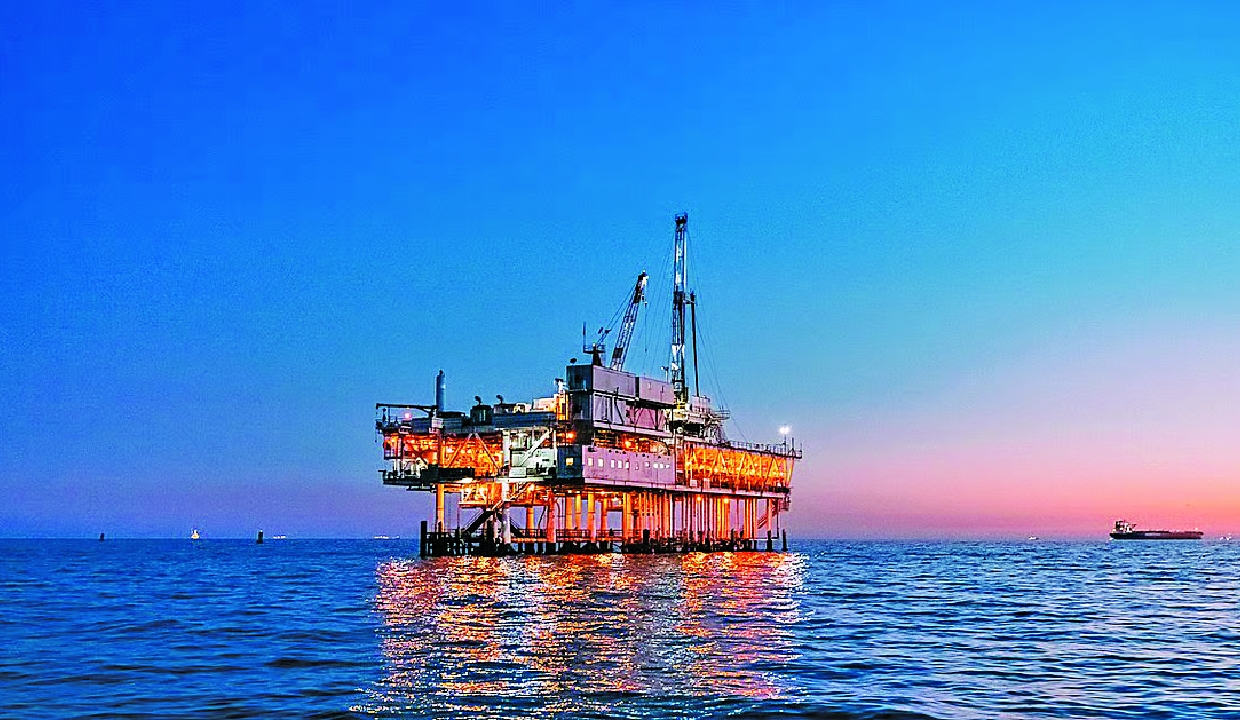
India’s next energy challenge is no longer only securing supplies from global markets. It is increasing the country’s ability to produce more oil and natural gas at home. As one of the world’s fastest-growing energy consumers, India will continue to require reliable supplies of hydrocarbons even as renewable energy assumes a larger role in the country’s energy mix. Strengthening domestic oil and gas production must therefore remain a strategic national priority-not only to reduce import dependence but also to support economic growth, industrial development and long-term energy resilience.
India currently imports nearly 90 per cent of its crude oil requirement, making the country vulnerable to global price volatility, geopolitical uncertainties and supply disruptions. While diversified import sources and strategic petroleum reserves have significantly strengthened India’s ability to withstand external shocks, increasing indigenous oil and gas production remains the most sustainable way to enhance energy security, reduce import dependence, conserve valuable foreign exchange and strengthen long-term economic resilience.
However, increasing domestic production requires recognising the unique nature of the upstream business. Exploration and production are inherently long-gestation activities, requiring substantial capital investment and years of geological assessment, appraisal and field development before production begins. At the same time, many of India’s largest producing fields have been operating for decades and are naturally maturing. Sustained production growth will therefore depend not only on continued exploration but also on redevelopment of existing assets and wider deployment of advanced technologies.
Technology will play a defining role in the next phase of India’s upstream growth. Enhanced Oil Recovery (EOR) and Improved Oil Recovery (IOR) techniques, supported by advanced reservoir management, modern seismic imaging and digital technologies, offer significant opportunities to improve recovery from mature reservoirs. Globally, these technologies have helped extend the productive life of ageing fields while unlocking reserves that were previously considered technically or economically difficult to recover.
In this context, the redevelopment of Mumbai High by ONGC, supported by global technical expertise, is especially significant. The programme is expected to improve recovery from India’s largest offshore producing field through advanced reservoir management and modern recovery techniques. Similar technology-led interventions across other mature offshore and onshore assets can further strengthen domestic production while improving the efficiency and longevity of existing fields.
While mature fields remain an important source of incremental production, new discoveries will determine India’s long-term production trajectory. Large parts of India’s sedimentary basins continue to hold significant hydrocarbon potential. Continuous acreage bidding under the Open Acreage Licensing Policy (OALP), improved access to geological data through the National Data Repository and a stable policy framework have created fresh opportunities for exploration. Timely monetisation of discoveries, faster project execution and continued technological innovation will be essential to unlocking this potential and translating it into meaningful production.
Over the past decade, reforms such as the Hydrocarbon Exploration and Licensing Policy (HELP), the Open Acreage Licensing Policy (OALP), the Discovered Small Fields (DSF) Policy, marketing and pricing freedom for difficult fields, the National Data Repository and amendments to the Oilfields (Regulation and Development) framework have significantly strengthened India’s upstream investment environment. With a strong policy foundation now in place, the focus should increasingly shift towards faster execution, sustained exploration, wider adoption of advanced technologies and higher domestic production.
The benefits of stronger domestic production extend well beyond reducing the import bill. Every additional barrel produced within the country strengthens energy security, conserves valuable foreign exchange, supports industrial growth and reduces vulnerability to external supply disruptions. Increased upstream investment also creates employment, strengthens the domestic oilfield services ecosystem, encourages technology adoption and generates wider economic multiplier effects. As India’s upstream industry builds on the Government’s reform agenda, sustained investment in exploration, redevelopment of mature fields and faster commercialisation of discoveries will be critical to achieving durable production growth.
India’s energy transition is progressing rapidly, with renewable energy playing an increasingly important role in the country’s energy mix.
At the same time, oil and natural gas will continue to remain indispensable for transportation, manufacturing, petrochemicals and several other sectors for many years to come. Strengthening domestic hydrocarbon production is therefore not at odds with India’s clean energy ambitions. Rather, it complements the transition by ensuring that economic growth, industrial competitiveness and energy security advance together.
India has already laid a strong policy foundation for revitalising its upstream sector. The next phase should focus on translating that foundation into measurable production outcomes through continued exploration, wider adoption of advanced technologies, faster monetisation of discoveries and timely redevelopment of mature fields.
The opportunity before India is not simply to reduce import dependence, but to build a more resilient, competitive and technologically advanced upstream industry capable of supporting the country’s long-term economic aspirations. Strengthening domestic oil and gas production is therefore not merely the next step in India’s energy security journey-it is one of the defining priorities for India’s future growth and strategic resilience.
The writer is Former Director (Exploration), ONGC; Views presented are personal.