No deletion hearings based solely on bulk objections
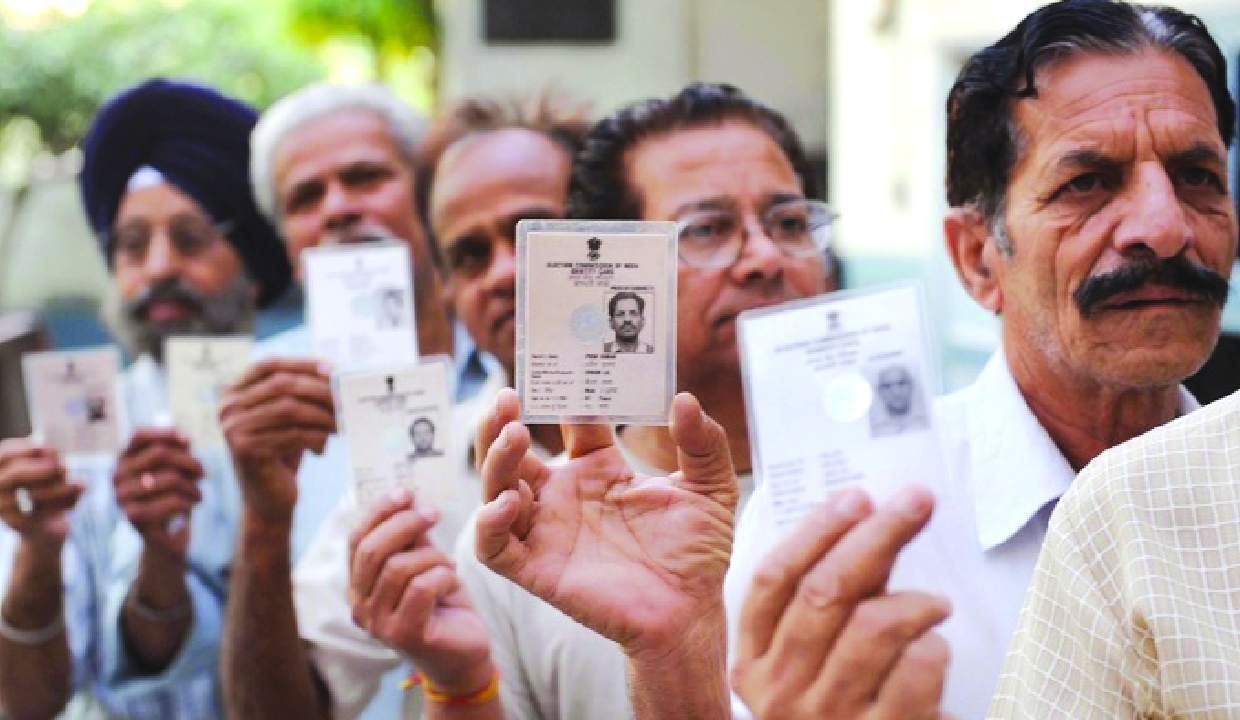
A voter in India can no longer be dragged into a deletion hearing because somebody else filed a stack of objections against names on the roll.
Amid reports of people filing forms in bulk to remove electors from voters’ lists, the Election Commission of India (ECI) on Friday set limits on how many such objections individuals can submit. The ECI has prescribed limits on the number of Form 7 applications an individual elector can file to object to the inclusion of names or seek deletion of names from electoral rolls. During the claims and objections period, an individual elector can file a maximum of 10 Form 7 applications throughout the entire period.
In a letter dated October 9, the Commission told the Chief Electoral Officers of all states and Union Territories that an individual elector can file at most 10 Form 7 applications during the entire claims and objections period. During continuous updates to the electoral rolls, the limit is five per month. The cap applies to both online and offline filing.
Form 7 is used to object to the inclusion of a name in the electoral roll or to seek its deletion. The Commission said it had noticed individual electors filing objections in bulk on unsubstantiated grounds. This caused avoidable inconvenience to the elector who was the subject of the objection. It also added to the workload of field-level staff.
The letter says the rules were not clear enough on one point. The number of applications an individual could file online was fixed at six at a time, subject to disposal. But the number of physical forms that could be submitted in bulk was never defined. This left it to the judgement of electoral registration officers, creating problems for officials on the ground.
The Commission also recalled existing norms. The Manual on Electoral Rolls, 2023, says it should not entertain claims and objections presented in bulk by an individual, including those sent by post. It also requires personal cross-verification by the officer where the same person is the objector in more than five cases.
For the SIR period, the Commission had already allowed booth-level agents of recognised political parties to file applications in bulk, with a condition. They cannot submit more than 50 forms a day to the booth-level officer before the draft publication, and no more than 10 a day after it.
The letter spells out safeguards that officers must follow. Under the Registration of Electors Rules, 1960, only a person whose name is already on the roll of that constituency can object to a name there. Any objection not lodged within the specified period, or not in the specified form and manner, must be rejected.
Officers have been told to ensure the form is fully completed. The objector must sign it at the proper place. A seal of the signature cannot replace the original signature. Officers must also check the genuineness of the applicant against the electors list.
A valid objection does not mean a quick deletion. If the officer does not dispose of an objection at the first stage, the officer must issue a notice to the objector and hear him personally. The officer must record the objector’s statement separately for each Form 7 and be satisfied about the validity of the objection.
The person objected to must also be heard before the Commission passes any order. This is the clearest protection for the ordinary voter whose name is questioned.
The Commission has also warned against misuse. If the officer finds a complaint false or fabricated, he must proceed against the applicant who knowingly made a false statement or declaration in writing in Form 7. The action will be taken under section 31 of the Representation of the People Act, 1950.
The Chief Electoral Officers have been asked to bring the instructions to the notice of all electoral registration officers, assistant officers and other field-level staff for compliance.