Kerala to guarantee elderly care, bill approved
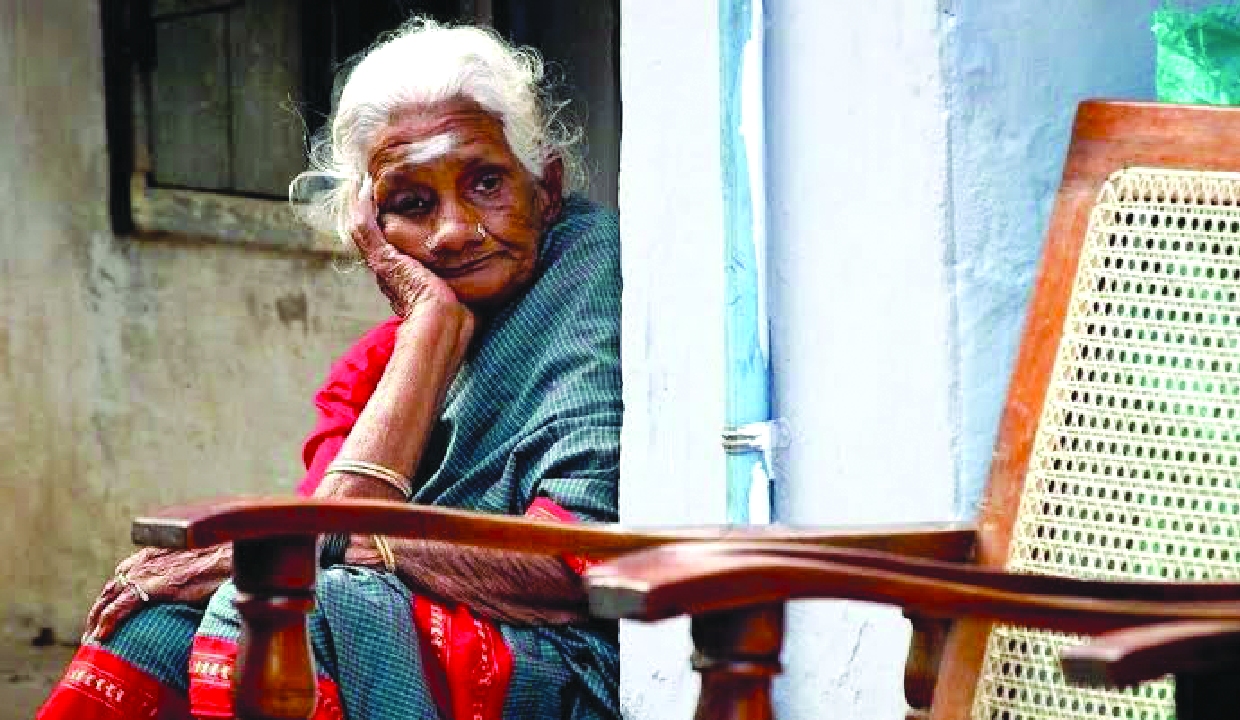
The Keralam Cabinet on Friday cleared a bill seeking to provide legal guarantee for the care and protection of senior citizens, with the government aiming to get it passed during the upcoming Assembly session beginning on October 12, Chief Minister VD Satheesan said.
While Satheesan highlighted the matter during an interview to PTI Videos on Friday morning, later in the day the Cabinet cleared the bill. Addressing a press conference here after the weekly Cabinet meeting, Satheesan said the bill would be published before being introduced in the Assembly.
Describing the proposed legislation as a revolutionary initiative, he said Keralam was the first state in the country to establish a Department of Senior Citizens and that the proposed law would be the “first of its kind” in the world to provide a legal guarantee for the care of the elderly through legislation.
Amid changing demographic patterns, the initiative seeks to ensure that senior citizens receive care and support, he said.
“States across the country are seeking details of this model from Keralam. Once passed by the Assembly, the legislation will serve as a model for all states,” Satheesan said.
The Cabinet’s approval was aimed at initiating the necessary steps to ensure that the bill is passed during the forthcoming Assembly session, starting Monday, he added.
The government would collect details of senior citizens and take steps to ensure that they are not left alone or isolated, he said.
“No senior citizen will be left alone or neglected. There will be people to check on them, ensure they have taken their medicines and maintain personal hygiene, and identify those who are bedridden,” Satheesan said.
The government would also collect data on the number of senior citizens suffering from dementia and cancer, as well as those requiring palliative care. A comprehensive data collection exercise for this purpose had already been launched, he said.
Collectives modelled on the Kudumbashree network would be incorporated at the ward level, and the data collected would be regularly updated to maintain accurate records of senior citizens across the state, he added.
The initiative would integrate the efforts of the state government, local self-government institutions, volunteer groups and corporate social responsibility (CSR) funds to ensure effective care and support for the elderly, Satheesan said.
As part of the initiative, the existing palliative care system under local bodies would also be strengthened, with a special focus on senior citizens.
The welfare of the elderly was among the areas receiving the highest priority under the government’s welfare programmes, he added.
Earlier in the day, while talking to PTI Videos, Satheesan said the proposed legislation aims to ensure that elderly people receive the care and support they need amid changing demographic patterns, rising life expectancy and concerns over the neglect of senior citizens in some households.
“We are preparing legislation to provide a legal guarantee to senior citizens that they will be protected and that somebody will be there to take care of them,” Satheesan said, ahead of the commencement of the Assembly session on Monday.
The proposed law would seek to ensure that the needs of senior citizens are monitored, including whether they have had their breakfast, lunch and dinner and whether they require palliative care, he said.
“We are going to start our Assembly session on October 12. I hope we can pass the legislation this month itself,” Satheesan said.
He said the initiative was necessary in view of the significant demographic changes taking place in the state and the steady increase in life expectancy, adding that the issue had not received adequate attention earlier.
The initiative would not be limited to a conventional welfare programme but would seek to make senior citizens more active, constructive and creative through the adoption of the concept of the silver economy (services catering to the elderly), he said.
“Of course, there is a welfare component in it, but we want to make senior citizens more constructive and creative. That is the adoption of the silver economy,” he said.
Satheesan also highlighted the need to strengthen care mechanisms for the elderly, pointing to the increasing number of aged couples living alone as younger people move abroad for employment and other opportunities.
“A brain drain is happening. There are aged couples living alone in many houses. We want to protect them,” he said.
The proposed initiative would include measures to provide care and support to elderly people, especially those from economically weaker sections and those living in rural areas. Even affluent senior citizens might require government support in this regard, he said.
As part of the programme, a volunteer would be appointed in each rural area or panchayat to help look after senior citizens. Data collection to identify elderly people and assess their needs has already begun, he said.
The government has already announced around 12 projects for senior citizens, with an emphasis on strengthening welfare support while enabling them to lead more meaningful and productive lives.
Satheesan also spoke about plans to introduce caregiving courses with training and certification, followed by a one-year internship. The initiative is expected to create employment opportunities for trained caregivers while helping address the growing demand for elderly care.
The government also plans to develop a comprehensive database of senior citizens to assess their numbers and identify those requiring assistance, enabling a data-driven approach to welfare and care initiatives.
The chief minister said the proposed legislation and related measures were intended to strengthen the state’s support system for senior citizens and could serve as a model for the rest of the country.
He said the government was keen to address the challenges arising from demographic changes and ensure that elderly people received adequate care and protection.