Nepal unveils new Rs100 note with revised map, reigniting border dispute with India
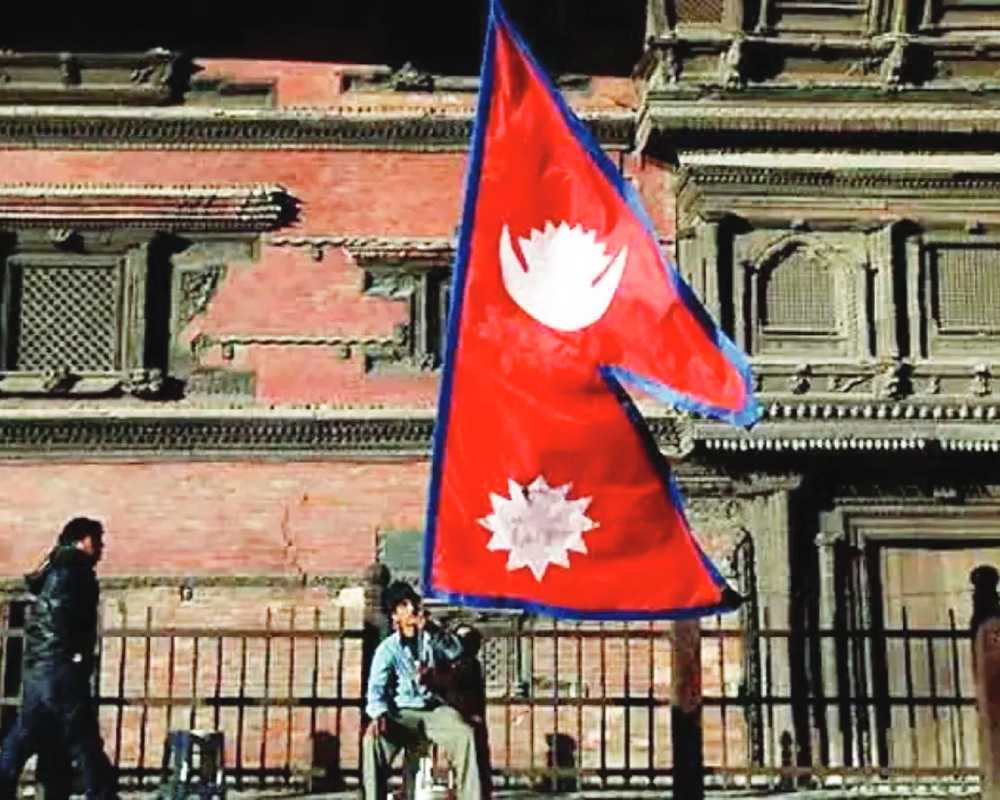
In a development that could once again test diplomatic sensitivities between Kathmandu and New Delhi, Nepal on Thursday released a redesigned Rs 100 currency note prominently featuring a revised national map. The updated map includes the Kalapani, Lipulekh and Limpiyadhura regions — Himalayan territories India has long asserted as its own.
The Nepal Rastra Bank (NRB) announced that the new banknote carries the signature of former governor Maha Prasad Adhikari and is dated 2081 BS (2024), aligning the note with decisions taken during the previous fiscal year. Although the Rs 100 note has traditionally displayed Nepal’s map, the central bank said the design has now been updated to reflect the political map adopted by the Government in 2020.
The move is poised to stir fresh tension in a border dispute that dates back decades but escalated dramatically in 2020. That year, the then–KP Sharma Oli-led Government unveiled a new political map placing the Kalapani, Lipulekh and Limpiyadhura areas firmly within Nepalese territory. It was later unanimously endorsed by Nepal’s Parliament, transforming what had been a bilateral disagreement into a constitutional position for Kathmandu. India reacted sharply at the time,
describing Nepal’s map as a “unilateral act” that amounted to “artificial enlargement” of territorial claims. New Delhi has insisted that the disputed region — a strategic tri-junction near the India–Nepal–China border — has historically been under its administration and patrol.The issue resurfaced again last year when various political parties in Nepal put pressure on their Government to expedite the implementation of the constitutional map across official documents, educational materials and State symbols.
On Thursday, an NRB spokesperson emphasized that the inclusion of the revised map on the new Rs 100 note was in line with this parliamentary mandate. He also clarified that among Nepal’s currency denominations — including Rs10, Rs50, Rs500 and Rs1,000 — only the Rs 100 note features the national map. The symbolic significance is hard to miss. Currency notes circulate through every layer of society, and the decision effectively embeds Nepal’s claimed territorial boundaries into the daily transactions of millions of citizens. Diplomats and analysts say such moves often carry weight beyond numismatics, reinforcing national identity while simultaneously testing the patience of neighbors involved in boundary negotiations.
The redesigned Rs 100 banknote retains several traditional elements while incorporating the updated political map. It features a prominent image of Mt Everest on the left and a watermark of the rhododendron — Nepal’s national flower — on the right. A faint green silhouette of the country stretches across the center, where the Ashoka Pillar is also printed with the inscription, “Lumbini, the birthplace of Lord Buddha,” reaffirming Nepal’s cultural and religious heritage. On the reverse side, a horned rhino takes center stage. The note also includes a security thread and an embossed tactile mark to help visually impaired users identify the denomination.
Nepal shares more than 1,850 km of open border with India, spanning five states — Sikkim, West Bengal, Bihar, Uttar Pradesh and Uttarakhand. The open border facilitates close economic, cultural and social ties; however, the same proximity has historically made boundary disputes more delicate. While both sides claim the tri-junction areas, the issue has often been overshadowed by larger geopolitical shifts in the region, including the strategic influence of China and evolving regional security priorities. In recent years, India and Nepal have held several rounds of talks, but no concrete breakthrough has emerged on the Kalapani-Lipulekh-Limpiyadhura front.
With the release of the revised Rs100 note, Kathmandu has sent a quiet yet clear signal that it intends to uphold its 2020 map across official platforms. Whether this triggers renewed diplomatic engagement — or renewed friction — remains to be seen. For now, a piece of currency worth just Rs 100 has once again placed an old border dispute at the center of regional politics, reminding both nations that geography, history and identity often intersect in the smallest of everyday objects.