NDMC steps up civic works ahead of India AI Impact Summit
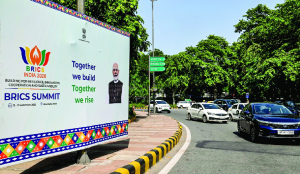
With the city set to host the India AI Impact Summit 2026, the New Delhi Municipal Council (NDMC) is stepping up civic works in preparation for the event. The summit — expected to draw global leaders, policymakers and AI experts — is scheduled from February 15 to 20.
Envisioned as a major global platform on inclusive artificial intelligence, the summit is expected to bring world leaders, policymakers and technology experts to Delhi, placing the city’s infrastructure and civic services under close international scrutiny.
Officials said the preparations are designed to deliver a G20-level experience, projecting India’s technological ambition alongside a clean, efficient and welcoming capital. The work is being carried out under the direction of the Chief Secretary, Government of NCT of Delhi, with a focus on creating a lasting impression rather than cosmetic, short-term fixes.
Key attention is centred on areas likely to be visited by international delegates, including Bharat Mandapam, where the main inaugural event is scheduled on February 19, five-star hotels, diplomatic zones, heritage buildings, public gardens and major roundabouts. NDMC has identified these stretches as high-visibility zones requiring urgent and coordinated intervention.
As part of the preparations, all 41 avenue roads under NDMC’s jurisdiction were recently inspected by the chairman, secretary and senior departmental heads. Following the inspections, responsibilities were clearly assigned to address gaps in readiness. A detailed action plan has been drawn up to upgrade road corridors connecting the airport, Bharat Mandapam, tourist hubs and diplomatic areas.
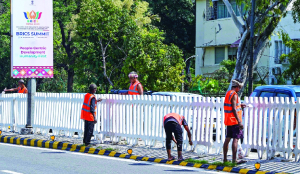
The work includes repairing potholes, fixing footpaths, restoring damaged grilles, improving signage, repainting central verges, removing dark spots and enhancing overall road safety and visual appeal.
The revamp extends to venues hosting pre-summit meetings and bilateral engagements, such as Hyderabad House, Vigyan Bhawan, Ambedkar Bhawan and Sushma Swaraj Bhawan, as well as the India Gate precinct. Roads leading to Connaught Place, Central Park, Lodhi Garden, Humayun’s Tomb, Delhi Haat and Nehru Park are also being comprehensively upgraded, affecting some of the most frequently used public spaces in the NDMC area.
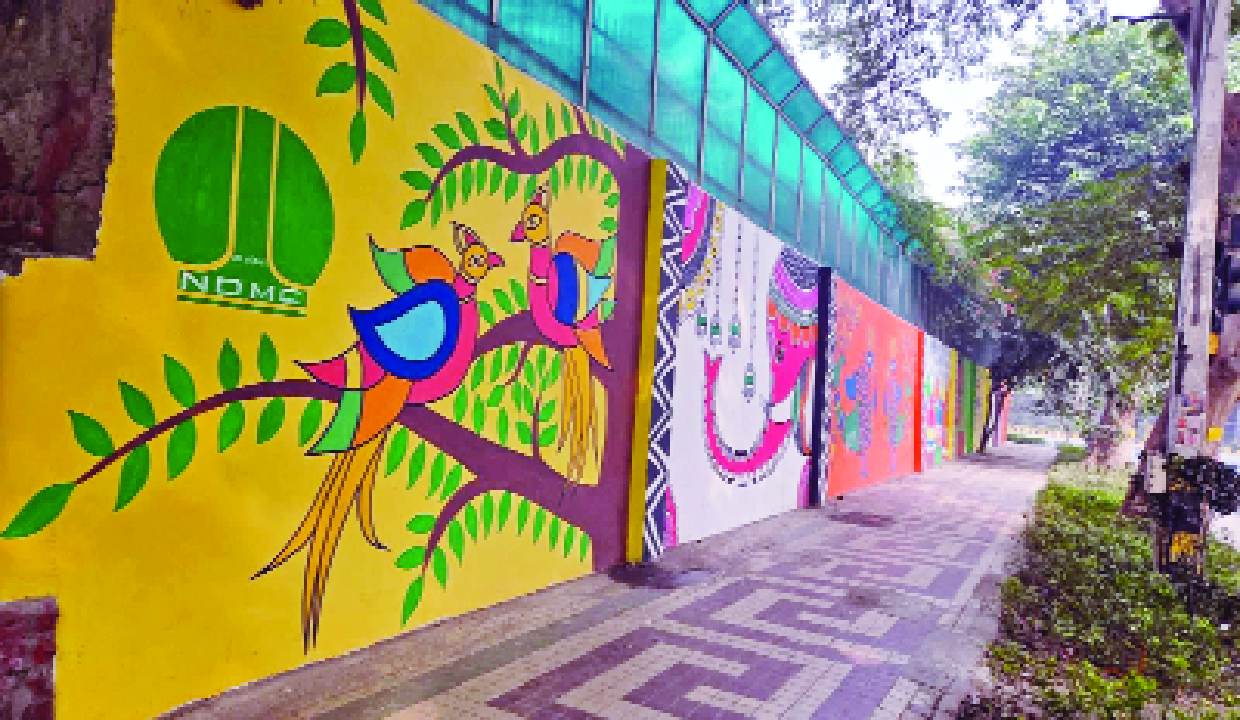
Cleanliness and beautification form a central pillar of the exercise. The Horticulture Department has been directed to install flowering and ornamental plants at prominent locations, roundabouts and junctions. Public art spaces, sculptures and fountains are being refurbished, while intensified sanitation drives are targeting garbage-vulnerable points across markets and arterial roads.
Connaught Place and other major commercial hubs are witnessing daily mechanical road sweeping, deep cleaning and mopping operations. Special cleanliness drives are being conducted at regular intervals, with Market Traders’ Associations involved to ensure collective responsibility in maintaining hygiene standards.
A major initiative, titled “Operation–Clean”, has been launched as a week-long intensive deep-cleaning drive across all 14 NDMC circles, beginning from Connaught Place. The operation deploys high-pressure jetting machines along with teams of Palika Sahayaks using detergents, wipers and hard brushes to remove accumulated dust, grease and oil from corridors, footpaths and kerb stones. The exercise is being supervised by senior engineers, health officials and medical officers, with teams working from early morning until late evening.
To address air quality concerns during the summit period, NDMC is deploying smog guns, mist sprayers and water sprinklers, along with stricter enforcement against polluting activities. Overhead cables near monuments are being removed to improve the city’s visual landscape, and efforts to ensure 100 per cent functionality of street and pole lights are underway across roads, markets and roundabouts.