Names cleared by tribunals to vote in wb: SC
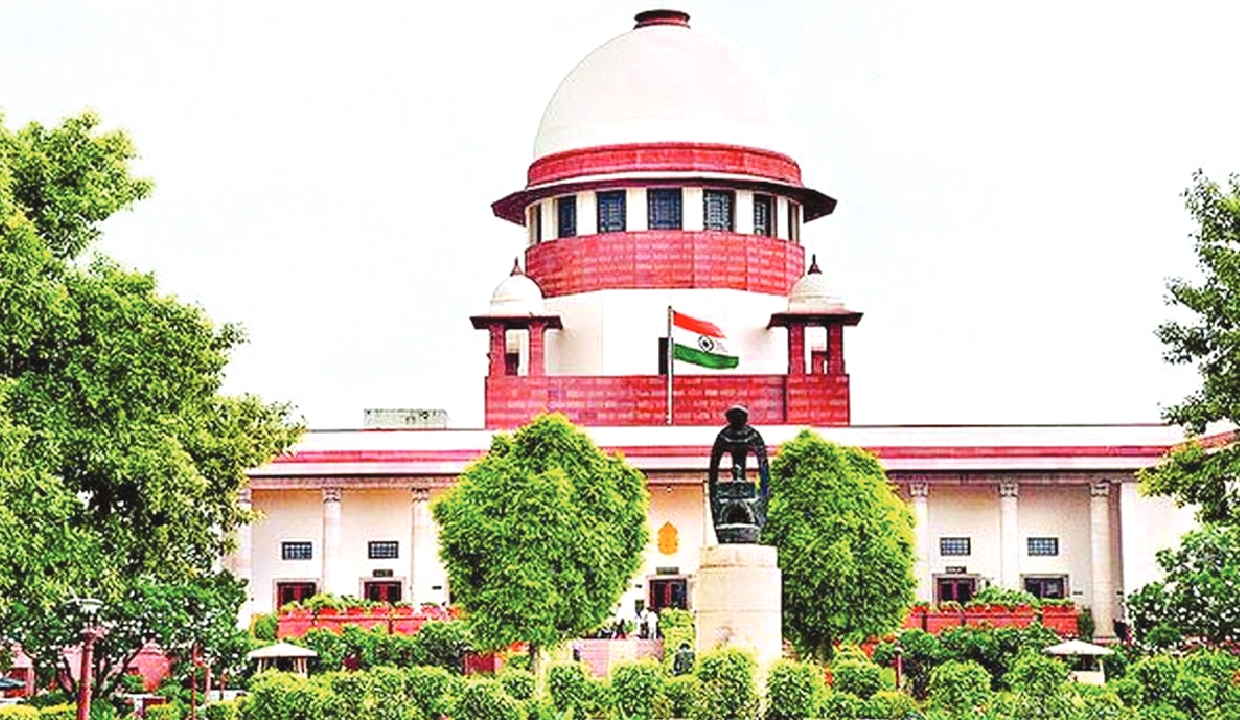
The Supreme Court on Thursday ordered that voters in West Bengal, who are cleared by appellate tribunals for inclusion in electoral rolls at least two days before the elections, will be entitled to vote in the upcoming State Assembly elections.
A Bench of Chief Justice of India (CJI) Surya Kant and Justice Joymalya Bagchi passed the order in the exercise of the Court’s inherent powers under Article 142 of the Constitution of India.
Polls in West Bengal are scheduled to be held in two phases — on April 23 and April 29. As per the order, those who are cleared by appellate tribunals on or before April 21 or April 27, as the case maybe, will be entitled to vote in the upcoming elections. After observing a trust deficit between the Election Commission and the West Bengal Government, the apex court had on February 20 ordered the deployment of district judges and additional district judges, including retired judges, for the smooth conduct of the SIR.
Around 900 judicial officers were engaged for the purpose. These officers decided upon about 60 lakh objections, and around 27 lakh stood excluded from the rolls. The Supreme Court also directed the establishment of appellate tribunals to consider appeals from those who wish to challenge the decisions of judicial officers. Around 19 appellate tribunals are now functional and are hearing appeals against the decision of judicial officers.
The Supreme Court directed the Election Commission of India that appellate tribunal orders passed by April 21 (where polling is scheduled on April 23) or April 27 (where polling is scheduled on April 29) must be given effect to by issuing a supplementary revised electoral roll.
“We, therefore, invoke our powers under Article 142 of the Constitution of India and direct the ECI that, wherever the Appellate Tribunals can decide the appeals by 21.04.2026 or 27.04.2026, as the case may be, such appellate orders shall be given effect to by issuing a supplementary revised electoral roll, and all necessary consequences with respect to the right to vote shall follow. However, it goes without saying that the mere pendency of appeals preferred by excluded persons before the Appellate Tribunals shall not entitle them to exercise their right to vote,” the April 13 order stated.