MP HC hears Indore water contamination death case
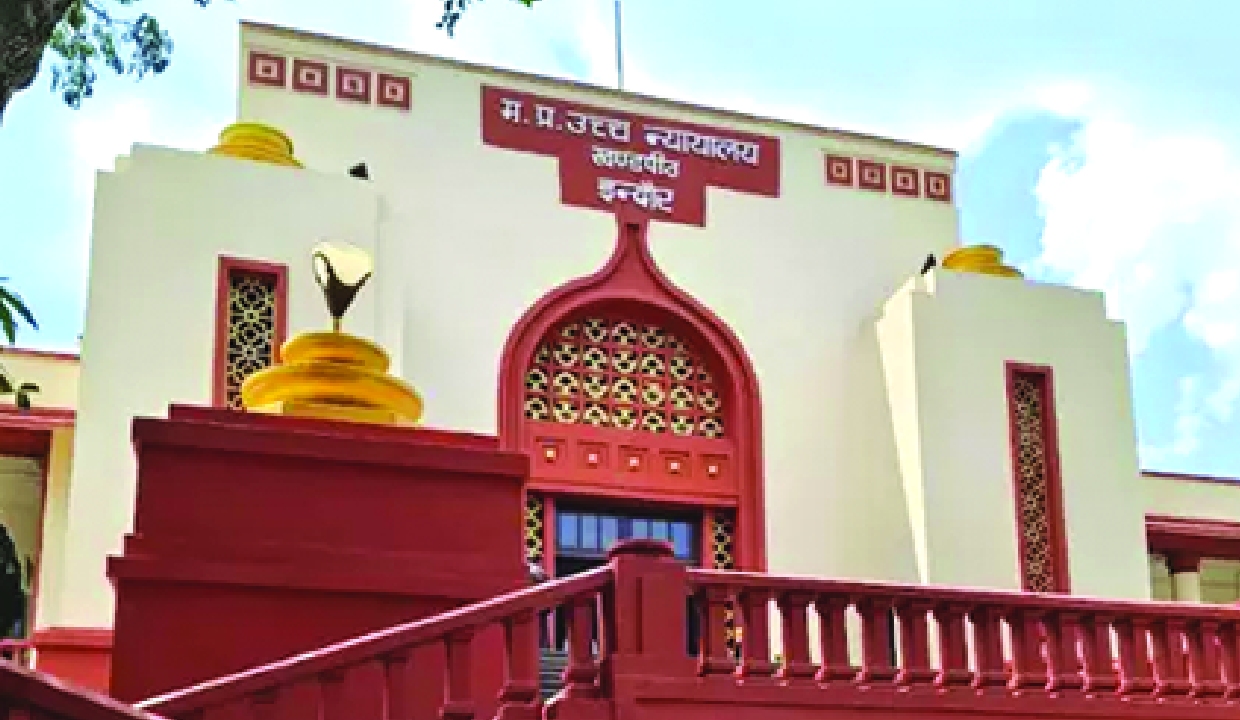
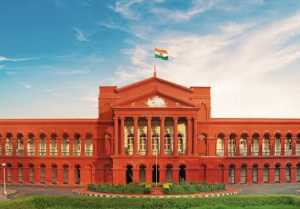
The Madhya Pradesh High Court on Tuesday held an important hearing into the deaths linked to contaminated drinking water in Indore’s Bhagirathpura area, where 36 people died between December 26, 2025 and February 25, 2026.
A more than 600-page report prepared by a one-member judicial inquiry commission has already been submitted to the High Court. The commission, headed by retired Justice Sushil Kumar Gupta, was constituted on January 27 to examine the causes of water contamination, the role of officials, relief measures and compensation for affected families.
During the hearing, counsel appearing for the victims sought a copy of the report for detailed study. The court, however, declined to allow its public circulation. The report has been placed with the Principal Registrar, and concerned lawyers have been permitted to inspect it there. The next hearing is scheduled for September 8.
The court also took note of complaints that contaminated water is still being supplied in several parts of Indore. It asked the Municipal Corporation what action had been taken and why clean drinking water was not reaching certain areas.
The civic body informed the court that it had conducted water testing and that the results were expected within 48 hours. The report is likely to be placed before the court on Monday.
The inquiry commission examined several possible causes behind the Bhagirathpura tragedy, including sewage entering drinking water pipelines, technical faults or damage to pipelines and the possibility of industrial pollution.
It also examined medical records and other evidence to determine how many people fell ill due to contaminated water and how many of the 36 deaths could be directly linked to it. The commission collected records from the Indore Municipal Corporation, Indore Development Authority, district administration and health department. Statements of affected residents were also recorded, while relief, treatment and public health arrangements during the incident were reviewed.
The role of several officials and employees also came under scrutiny during the inquiry. However, as the report remains sealed and has not been made public, no responsibility has yet been officially confirmed.
Senior counsel Ajay Bagadiya opposed distributing copies of the report to different parties, arguing that wider circulation could lead to selective interpretation and distract from the core issue of fixing accountability and preventing a repeat of such a tragedy. During the hearing, the quality of water supplied to Government hospitals was also raised. Bagadiya referred to random water samples reportedly collected from seven Government hospitals, of which five were said to have failed quality tests and showed the presence of E. coli and total coliform.
The court proceedings are now expected to focus on accountability, the findings of the judicial inquiry and measures required to ensure safe drinking water across Indore.