Midas touch: India turns to gold austerity
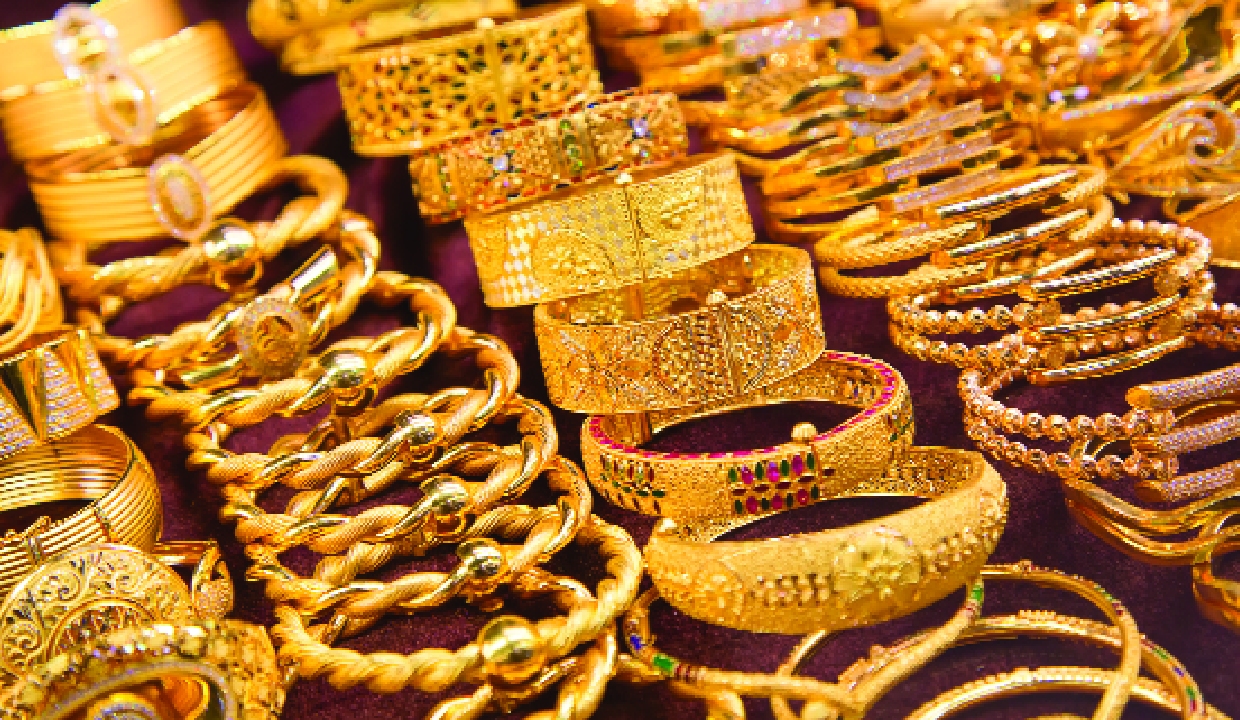
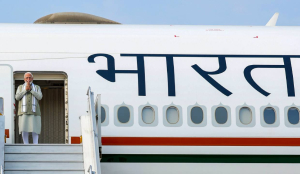
In a rare public appeal that blended economic urgency with cultural sensitivity, Prime Minister Narendra Modi urged Indians this month to postpone gold purchases for at least a year, framing restraint as a patriotic act to safeguard the nation’s foreign exchange reserves. Days later, on May 13, the government followed with a sharp policy response: more than doubling import duties on gold and silver to 15 percent from 6 percent.
The moves come as India grapples with a double blow to its external accounts with surging oil prices triggered by escalating tensions in West Asia and persistent demand for gold, a metal deeply embedded in the country’s weddings, festivals and household savings. With the rupee touching record lows near 95-96 to the dollar, officials are determined to prevent a wider current account deficit from undermining economic stability.
India, the world’s second-largest consumer of gold after China, imported roughly $72 billion worth of the metal in the financial year that ended in March 2026. Although volumes have moderated somewhat, the value has climbed sharply amid high global prices, adding to pressures already intensified by costly crude oil imports?
A Cultural and Economic Tightrope
Gold holds profound significance in Indian society. It is gifted at weddings, worn during religious ceremonies and viewed as a safe store of value, particularly in rural areas and among middle-class families. Modi’s May 10 address in Hyderabad went further than gold, calling for reduced fuel consumption through carpooling and public transport, limits on non-essential foreign travel, and greater use of domestic products — evoking the spirit of austerity seen during the Covid-19 pandemic.
The appeal was not a formal ban but carried moral weight in a country where the prime minister’s words often influence public behaviour. Some families have reportedly cancelled or scaled back gold bookings for upcoming weddings, while jewelers report mixed reactions ranging from patriotic compliance to quiet frustration over potential business losses. The announcement also triggered panic buying of gold.
The subsequent duty hike — a 10 percent basic customs duty plus 5 percent Agriculture Infrastructure and Development Cess — took effect almost immediately. Domestic gold prices jumped in response, with futures rallying before stabilising and retail prices for 22-carat gold rising by several thousand rupees per 10 grams. The increase aims to make non-essential imports less attractive while channeling scarce dollars toward critical energy needs.
Pressures on the Current Account
India’s external vulnerabilities have deepened in recent months. The country imports more than 80 percent of its crude oil, and disruptions in West Asia have pushed energy costs higher, widening the trade deficit. The rupee has been one of Asia’s worst-performing currencies in 2026, reflecting investor caution and outflows. Foreign exchange reserves, while still substantial, have faced downward pressure.
Gold and oil together dominate India’s import concerns. By curbing bullion demand, policymakers hope to ease the current account deficit, which India fear could approach or exceed 2 percent of GDP if unchecked. This echoes the 1991 balance-of-payments crisis, when India was forced to pledge gold reserves to the International Monetary Fund — a painful memory that still shapes official thinking, even as today’s buffers are far stronger.
Earlier steps this year, including restrictions on certain jewelry imports requiring licenses to prevent misuse of free trade agreements, had already signaled tighter oversight. The latest duty increase represents a more blunt tool to compress demand.
Impact on Industry and Consumers
The gems and jewelry sector, which employs millions directly and indirectly — many in small and medium enterprises in Gujarat, Rajasthan and southern India — faces immediate headwinds. Industry groups warn of margin compression, inventory challenges and possible job losses during peak wedding seasons. Organised retailers like Titan and Kalyan Jewellers have seen their shares react negatively to the combined effect of the appeal and tariff hike?
There are potential upsides. Higher duties may boost recycling of old gold, supporting a more circular domestic supply chain. Sovereign Gold Bonds and gold exchange-traded funds could attract investors seeking formal, paper-based exposure without adding to physical imports. Investment demand for gold as a hedge against rupee weakness and global uncertainty may also prove resilient.
For ordinary Indians, gold just became more expensive. While cultural demand often shows price inelasticity — buyers historically absorb higher costs or turn to lighter jewelry — sustained high prices could shift some preferences toward alternatives or delay purchases.
Smuggling risks, which eased after duties were cut in 2024, could re-emerge if the price gap with international markets widens significantly?
Gold strategy
The Government’s approach combines short-term demand management with longer-term efforts to formalise the gold market. Expanded hallmarking, digital gold products and incentives for value-added jewelry exports aim to reduce reliance on raw imports while preserving the sector’s contribution to employment and growth.
I support the intent behind the measures, viewing them as pragmatic responses to cyclical shocks rather than permanent protectionism. Success however, will depend on several factors like how quickly global oil prices and geopolitical tensions moderate, public adherence to the austerity appeal, and the effectiveness of enforcement in preventing illicit trade.
As of mid-May 2026, the rupee has shown some stabilisation, but markets remain watchful. Bond yields will be closely monitored in coming weeks. Foreign investors are assessing whether these steps avert the need for more drastic actions, such as tighter capital controls or emergency financing.
India’s $4 trillion-plus economy has demonstrated resilience in recent years through diversified exports, a strong services surplus and robust domestic demand. Yet its dependence on imported energy and culturally driven gold consumption leaves it exposed to commodity cycles and global shocks.
Modi’s Government is betting that a blend of moral suasion, targeted tariffs and gradual financialisation of savings can thread the needle — honouring cultural feelings while protecting macroeconomic stability. In a world of heightened uncertainty, this balancing act will test India’s ability to manage its external vulnerabilities without stifling one of its most enduring symbols of prosperity.
The writer is a Professor and Chair, NIPFP NET-Website Committee, National Institute of Public Finance and Policy, New Delhi; Views presented are personal.