LPG price hike sparks concern among households
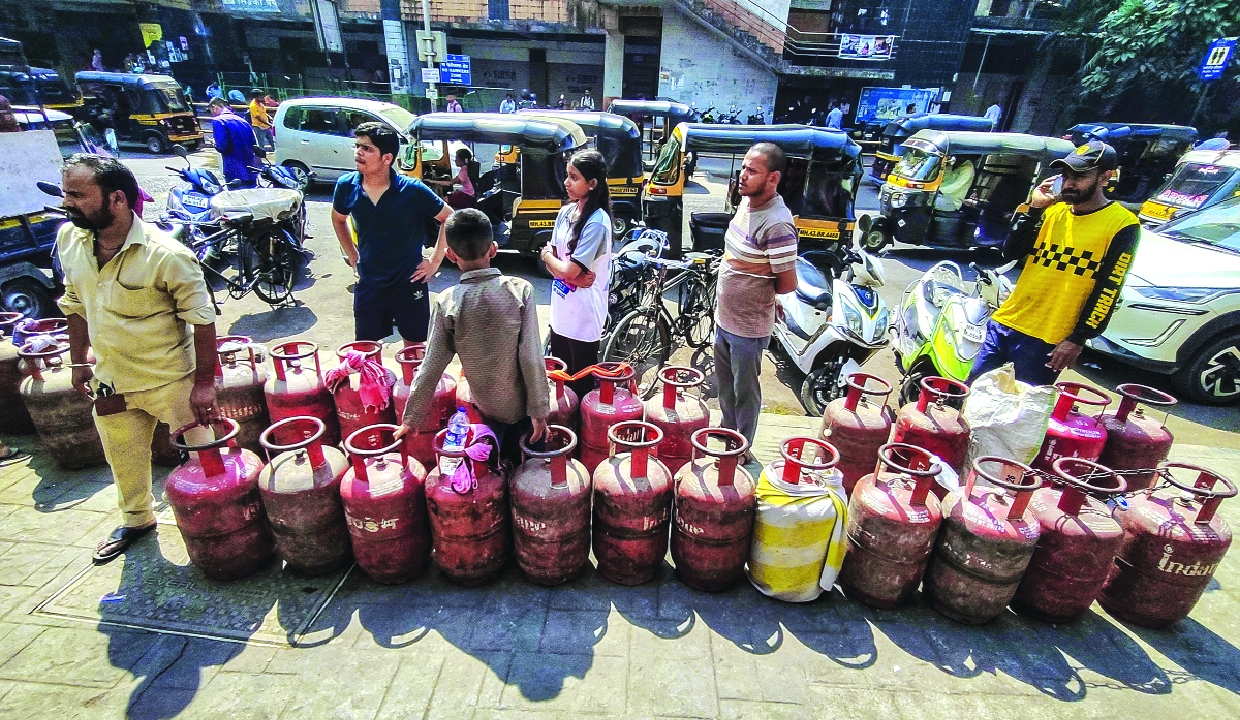
The Rs 60 increase in domestic Liquefied Petroleum Gas cylinder prices has triggered concern among households, labourers and small business owners across the country, with many saying the hike will add further pressure to already stretched family budgets.
Oil marketing companies raised the price of domestic LPG cylinders on Saturday. In Delhi, a 14.2-kg non-subsidised cylinder now costs Rs 913, up from Rs 853 earlier, according to data from Indian Oil Corporation. The price hike comes amid a surge in global energy costs linked to tensions in West Asia.
While Government sources said the impact of the hike would be limited when calculated on a daily basis, many consumers expressed concern about the cumulative burden on household finances.
Residents in several parts of the country said the increase will affect both domestic budgets and small businesses that rely on LPG for cooking.
A delivery worker, Mohan Kumar, said the price rise is already being felt by ordinary families. “Domestic cylinders have become more expensive. When they are delivered to homes, the final cost becomes even higher after adding delivery charges,” he said. Kumar added that wages for many workers have remained unchanged for years while the prices of essential goods continue to rise.
Another resident, Sunita Sharma, said the increase will hit low-income households the hardest. She said many families depend entirely on LPG cylinders for cooking and cannot afford repeated price hikes.
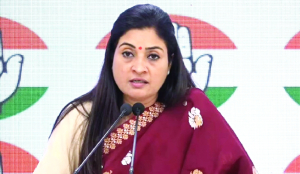
Political reactions to the price hike also emerged. Devender Yadav, president of the Delhi Pradesh Congress Committee, criticised the increase and said it would put additional pressure on household budgets.
He also demanded that subsidies on LPG cylinders be restored, arguing that rising inflation and repeated price increases have made it difficult for families to manage kitchen expenses.
Small business owners also expressed concern over the rise in commercial LPG prices. The cost of a 19-kg commercial cylinder has increased by Rs 114.5 and now stands at Rs 1,883 in Delhi.
Rakesh Verma, who runs a small roadside eatery, said businesses that depend on cooking gas will face higher operating costs. “Hotels, restaurants and food stalls use commercial cylinders regularly. When gas prices increase, it directly affects our expenses,” he said.
Analysts say the price revision follows a sharp rise in global oil and gas prices after tensions escalated in West Asia. The conflict disrupted tanker movement through the Strait of Hormuz, one of the world’s most important energy shipping routes. The disruption has pushed crude oil and natural gas prices higher in international markets. Brent crude recently rose sharply, while Asian spot prices for liquefied natural gas reached a three-year high amid fears of supply disruptions.
India is particularly sensitive to such disruptions because it imports a large share of its energy needs. According to official data, the country consumed more than 31 million tonnes of LPG in 2024-25, with a major portion coming from imports.
Government officials, however, said the price revision was necessary due to global energy trends and maintained that India’s LPG prices remain lower than those in several neighbouring countries.